Raw for Maximum Nutrition
Made in our own Kitchens
Human grade products
24 October 2026
Natural Chews for Dogs: How to Spot the Real Thing and Why Animal Bone Broth Wins
Not all natural chews for dogs are equal. Learn to read labels, avoid hidden fillers, and see why animal bone broth chews beat plant and synthetic options.

Table of contents
• What Counts as Natural Chews for Dogs?• How to Read an Ingredient List for Natural Chews for Dogs• Animal Versus Plant-Based Natural Chews for Dogs• How Natural Chews for Dogs Are Made• FAQ's About Natural Chews for Dogs• Final Thoughts on Natural Chews for DogsSo how do you tell the difference? In this guide, we explain what genuinely natural chews look like. We show you how to read a label in under a minute. We also explain why chews made with real animal bone broth stand out among natural chews for dogs, and why plant-based versions fall short.
What Counts as Natural Chews for Dogs?
In simple terms, natural chews for dogs are made from whole, recognisable ingredients with
minimal processing. Think dried animal parts, raw meaty bones or chews made from real bone
broth. They contain no artificial colours, no synthetic preservatives and no plastic. Ideally, you
can picture every ingredient on the label.
However, "natural" has no single strict legal definition for pet treats in many markets. Brands
can use it loosely. That is why the ingredient list matters far more than the front of the pack.
Real natural chews for dogs usually have short lists led by an animal ingredient.
The Problem With Labels on Natural Chews for Dogs
Many chews look natural but are built on fillers. Potato starch, rice flour, wheat and corn often
appear first. Next come glycerin, sugar or molasses to make them chewy and sweet. A small
amount of meat or "broth flavour" is added near the end. These are not truly natural chews for
dogs.
Also, watch for vague terms. "Meat by-products" or "animal derivatives" do not tell you which
animal or which part. Clear labels name the source, such as chicken, buffalo or goat. When a
brand is proud of its ingredients, it lists them plainly. Vague wording is often a warning sign with
natural chews for dogs.

How to Read an Ingredient List for Natural Chews for Dogs
First, look at the first three ingredients. They make up most of the chew. If an animal ingredient
or real bone broth leads the list, that is a good start. If starch or sugar leads, move on. Then
scan the rest for the red flags below when comparing natural chews for dogs.
• Starch, flour or grain listed first.
• Sugar, molasses, honey or syrup near the top.
• Artificial colours such as numbered dyes.
• Vague "meat" or "animal derivatives" with no named source.
• Long lists of chemical preservatives.
In addition, check for a named country of origin and a best-before date. These small details
show that the maker takes quality seriously. Good natural chews for dogs often list only one to
five ingredients. Our bone chews collection keeps ingredient lists short for exactly this reason.
Animal Versus Plant-Based Natural Chews for Dogs
Natural chews for dogs fall into two main groups: animal-based and plant-based. Animal chews
include dried parts, raw bones and bone broth hard chews. Plant chews include vegetable, rice
and sweet potato chews. Both can be natural. However, they differ greatly in what they give
your dog.
Dogs are carnivores by design, even though they can digest some plant foods. Their teeth, jaws
and gut handle animal protein very efficiently. As a result, animal-based natural chews for dogs
tend to be more appealing and more nutritious. Plant chews mostly add carbohydrates, which
most dogs already get plenty of.
Why Animal Bone Broth Makes Better Natural Chews for Dogs
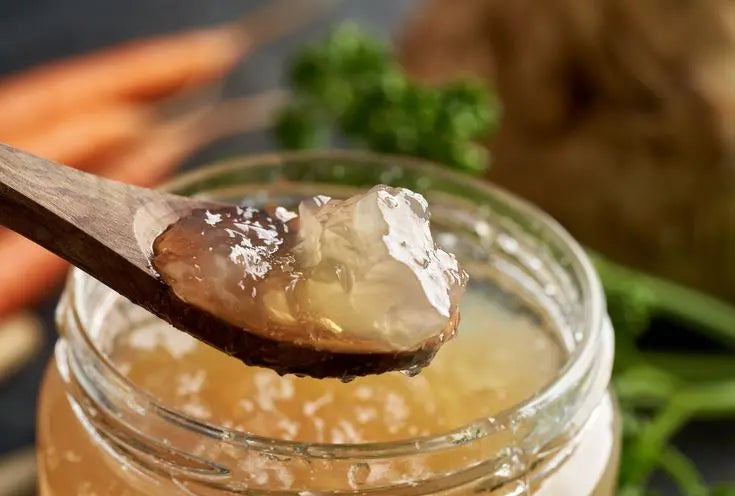
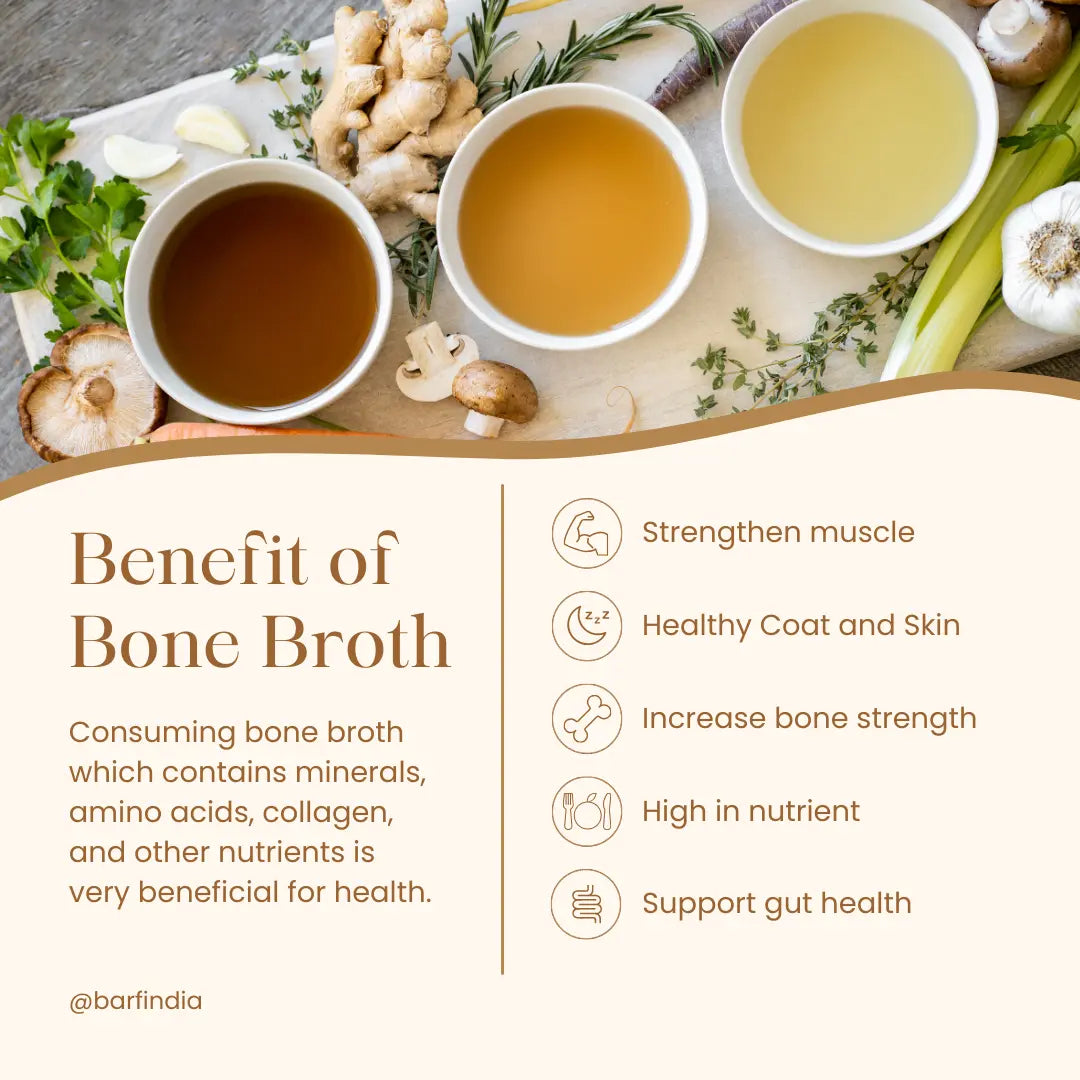
Animal bone broth adds nutrients that plants simply do not contain. Simmering bones for hours
releases gelatin, the cooked form of collagen. Gelatin brings amino acids like glycine and
proline. Joint bones add small amounts of glucosamine and chondroitin. No plant can make
collagen, so plant-based natural chews for dogs cannot match this.
Moreover, broth gives a deep meaty flavour that keeps dogs engaged. That flavour comes from
real food, not added powder. If you also want liquid broth, explore our bone broth collection. For
the full picture, read our complete guide to bone broth hard chews, the flagship of our natural
chews for dogs range.
Where Plant-Based Natural Chews for Dogs Fall Short
Plant chews are not bad. In fact, they can help dogs with specific meat allergies under a vet's
guidance. But for most dogs, they offer limited value. They are often low in protein and high in
starch. Many break apart quickly, so they do little for teeth. They rarely belong at the top of
natural chews for dogs.
On the other hand, some dogs need very limited diets.
If your vet has diagnosed a food allergy,
follow their advice first. For everyone else, animal-based natural chews for dogs are the better
everyday choice. They support chewing instincts and add real nutrition at the same time.
LEARN MORE ABOUT INDIA'S NO.1 FRESH DOG TREATS
Start FreshHow Natural Chews for Dogs Are Made
Processing decides how natural a chew really is. Gentle methods include slow simmering, air
drying, dehydrating and low-heat baking. These keep the food recognisable. Harsh methods
include chemical bleaching, heavy smoking with additives and pressing scraps together with
glue-like binders. Look for the gentle methods when buying natural chews for dogs.
For example, our dehydrated bone chews and pig tails are simply dried to remove moisture.
Bone broth hard chews begin with a long simmer before drying or baking. These methods keep
the food simple. That simplicity is the mark of genuine natural chews for dogs.
Storing and Handling Natural Chews for Dogs Safely
Because they skip synthetic preservatives, natural chews need sensible storage. Keep them in
an airtight container in a cool, dry cupboard. Humid monsoon weather can soften chews and
invite mould. Check each chew before giving it. Discard anything that smells sour, looks fuzzy or
feels sticky. Fresh storage keeps natural chews for dogs safe.
Also, wash your hands after handling raw or dried animal chews. Supervise your dog and
remove chews once they are small enough to swallow. Do the thumbnail test on very firm items.
These habits apply to every chew, as our chews for dogs guide explains in more detail.
 NATURE HAS ALREADY GIVEN THE RECIPE. WE HAVE ONLY IMPLEMENTED IT
FAQ's About Natural Chews for Dogs
Final Thoughts on Natural Chews for Dogs
In short, truly natural chews for dogs have short, clear labels led by a named animal ingredient.
They use gentle processing and no artificial additives. Among them, animal bone broth hard
chews stand out. They offer collagen-rich gelatin, real flavour and long chewing time that plant
chews cannot match.
When you are ready, explore our bone broth hard chews and the wider natural dog treats
collection. Compare options in our list of the best chews for dogs. Choosing well is simple once
you know what real natural chews for dogs look like.