Raw for Maximum Nutrition
Made in our own Kitchens
Human grade products
24 October 2026
Chews for Dogs: A Practical Guide to How Long, How Often and What to Give
Chews for dogs keep teeth clean and minds calm. Learn how long to let your dog chew, how often, warning signs, and why bone broth chews are a smart pick.

Table of contents
• Why Chews for Dogs Matter More Than You Think• How Long and How Often to Give Chews for Dogs• Why Bone Broth Hard Chews Are a Smart Choice • Safety Rules for All Chews for Dogs• FAQ's About Chews for Dogs• Getting Chews for Dogs Right: Final ThoughtsIn this guide, we answer those questions in plain language. We cover why dogs chew, how to build a healthy chewing routine and the warning signs of overdoing it. Along the way, we explain why animal bone broth hard chews are one of the smartest chews for dogs you can buy.
Why Chews for Dogs Matter More Than You Think
Chewing is hard-wired into every dog. Long before kibble existed, dogs chewed bones, hide and
gristle to eat and clean their teeth. That drive has not gone away. When we give no safe outlet,
dogs find their own, such as shoes, furniture or skirting boards. Good chews for dogs redirect
that energy.
Also, chewing does real work for your dog's body and mind. The scraping action helps remove
soft plaque from teeth. The repetitive motion is calming for many dogs. Because of this, the right
chews for dogs can reduce restlessness on busy days, rainy days and long afternoons alone.
Common Reasons Dogs Chew and How Chews for Dogs Help
First, identify why your dog chews. The answer shapes the best response. Puppies chew to
ease teething pain. Young adults chew from boredom and spare energy. Some dogs chew
when anxious or left alone. Others chew more when their teeth or gums hurt. Each reason calls
for slightly different chews for dogs.
• Teething puppies: soft, cool chews suited to baby teeth.
• Bored adults: long-lasting chews such as bone broth hard chews.
• Anxious dogs: a familiar chew at the same time each day.
• Sudden heavy chewing: a vet check for dental pain.
In addition, watch for changes. A dog who suddenly chews far more than usual may be telling
you something. Dental pain, hunger or stress can all show up as chewing. If the change seems
sudden, ask your vet to check the mouth before adding more chews for dogs.
Do Chews for Dogs Tire Them Out?
Yes, chewing is a genuine mental workout. Many dogs settle down and nap after a good
session. That is why trainers often suggest chews for dogs before guests arrive or during work
calls. The focus and jaw effort burn energy in a quiet, calm way.
However, chews for dogs cannot replace walks. Dogs need sniffing, movement and time
outdoors. Under-exercised dogs often become frustrated, restless or destructive. A chew works
best after a walk, not instead of one. Think of chewing as the cool-down, not the whole workout.

How Long and How Often to Give Chews for Dogs
As a general rule, aim for supervised sessions of about 10 to 15 minutes for hard chews. That is
long enough to clean teeth and tire the mind. It is short enough to avoid sore gums and worn
enamel. Softer chews for dogs can last a little longer, as long as you stay nearby.
Next, consider frequency. Most healthy adult dogs can enjoy a short chew every day. The limit
is really about calories and teeth. Keep all treats, including chews for dogs, to about 10% of
daily calories. On days with a big chew, cut back on other treats and biscuits.
Can a Dog Chew Too Much? Warning Signs With Chews for Dogs
Yes, a dog can overdo it. Chewing for hours can wear teeth flat, crack enamel and irritate gums.
Hard chews for dogs are the most common culprit. Watch for the warning signs below. If you
spot any of them, shorten sessions or switch to a softer chew.
• Blood on the chew or in your dog's water bowl.
• Flattened, chipped or broken teeth.
• Loose stools or vomiting after chewing.
• Steady weight gain from extra calories.
• Growling or guarding over a chew.
Also, take any tooth damage seriously. A cracked tooth can be painful even if your dog keeps
eating. Book a vet visit if you see a broken tooth or bleeding gums. Prevention is simple: choose
chews for dogs that pass the thumbnail test.
Building a Daily Routine With Chews for Dogs
Routines help dogs feel secure. Try offering a chew at the same point each day, such as after
the evening walk. Many owners also give chews for dogs when leaving the house for a short
while. The dog learns that your departure means something good.
Moreover, plan around the weather. In hot Indian summers, dogs often prefer quiet indoor
activity during the afternoon. A chew session in a cool room fits well. Our guide to summer
feeding for dogs shares more tips. Keep fresh water close by during all chew sessions.
Why Bone Broth Hard Chews Are a Smart Choice Among Chews for Dogs
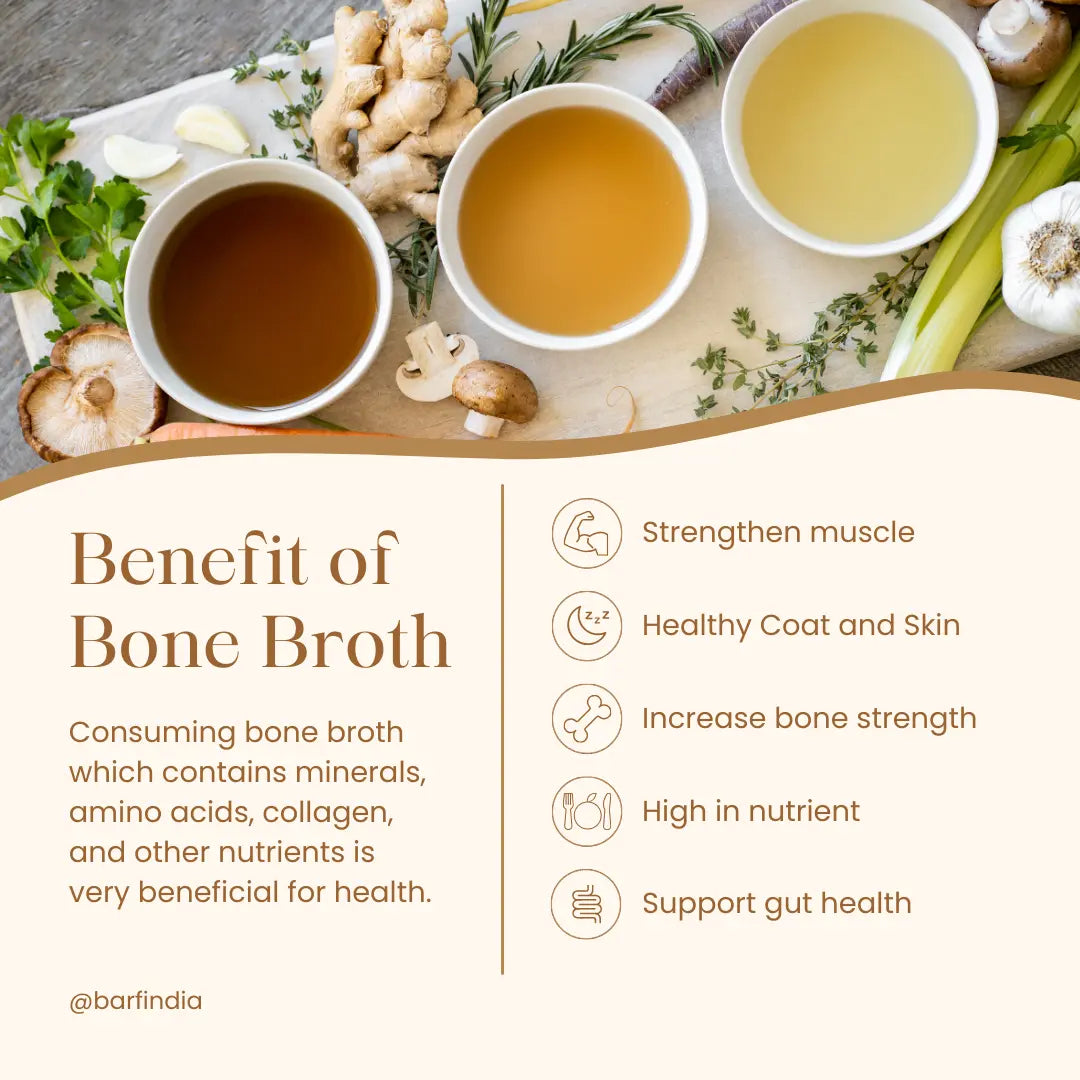
Not all chews for dogs give equal value. Animal bone broth hard chews combine long-lasting
texture with real nutrition. The broth comes from bones simmered for hours, which releases
gelatin and amino acids. Plant-based chews cannot provide collagen, because plants do not
make it. That gives animal broth chews for dogs a clear edge.
In contrast, rawhide is hard to digest, and nylon is not food at all. Bone broth hard chews are
edible, flavourful and firm without being rock hard. Learn more in our complete guide to bone
broth hard chews, or shop our bone broth hard chews directly. Either way, these are chews for
dogs worth trying.
LEARN MORE ABOUT INDIA'S NO.1 FRESH DOG FOOD
Start FreshSafety Rules for All Chews for Dogs
Finally, follow a few simple rules every time. These apply to every chew, from raw bones to
broth chews. They prevent most chewing accidents. Print them out or stick them on the fridge
so the whole family follows them. Safe habits make chews for dogs fun rather than risky.
• Choose a size your dog cannot swallow whole.
• Do the thumbnail test on every new chew.
• Supervise, especially during the first few sessions.
• Swap the chew for a treat when it gets small.
• Never give cooked bones of any kind.
For example, teach "drop it" early. Offer a tasty treat, wait for the release and reward. This
makes removing chews for dogs calm and easy. For more on bones, read our bone guide and
see our ranked list of the best chews for dogs.
 NATURE HAS ALREADY GIVEN THE RECIPE. WE HAVE ONLY IMPLEMENTED IT
FAQ's About Chews for Dogs
Getting Chews for Dogs Right: Final Thoughts
In short, chews for dogs work best in short, supervised sessions of about 10 to 15 minutes.
Daily chewing is fine for most healthy adults, as long as you count calories. Watch for tooth
damage, and always pair chewing with walks and play.
When you are ready, browse our chews for dogs collection and the wider bone chews
collection. Start with animal bone broth hard chews for a safe, tasty and nutritious session. Your
dog's teeth and mood will both benefit from the right chews for dogs.