Raw for Maximum Nutrition
Made in our own Kitchens
Human grade products
Pitbull Dog Breed in India: A Powerful, Playful & Loyal Companion
WRITTEN BY NIVEDITA FERNANDES
12/02/2026
3 MIN READ
TABLE OF CONTENTS
- The Pitbull
- What Are the 4 Breeds of Pitbulls?
What Dog is Mistaken for a Pitbull? - What Makes a Pitbull a Pitbull?
- Which Pitbull Breed is Best?
- Is Pitbull Banned in India?
- What is the Real Price of a Pitbull?
- What Are the Top 10 Pitbull Bloodlines?
- Debunking Common Pitbull Myths
- F.A.Q's
- Final Thoughts: Is a Pitbull Right for Your Indian Home?
This guide explores why so many dogs in India experience sensitive stomachs and recurring digestive issues, and how the right nutrition can significantly improve their overall wellbeing. It explains the importance of digestibility, the benefits of clean, single-protein diets, and why minimally processed food supports healthier gut function. It also highlights how BARF India’s fresh raw and instant meal options are formulated to provide balanced, gut-friendly nourishment—helping promote better digestion, firmer stools, improved nutrient absorption, and happier, more energetic dogs.
Pitbull: A Dog Breed in India
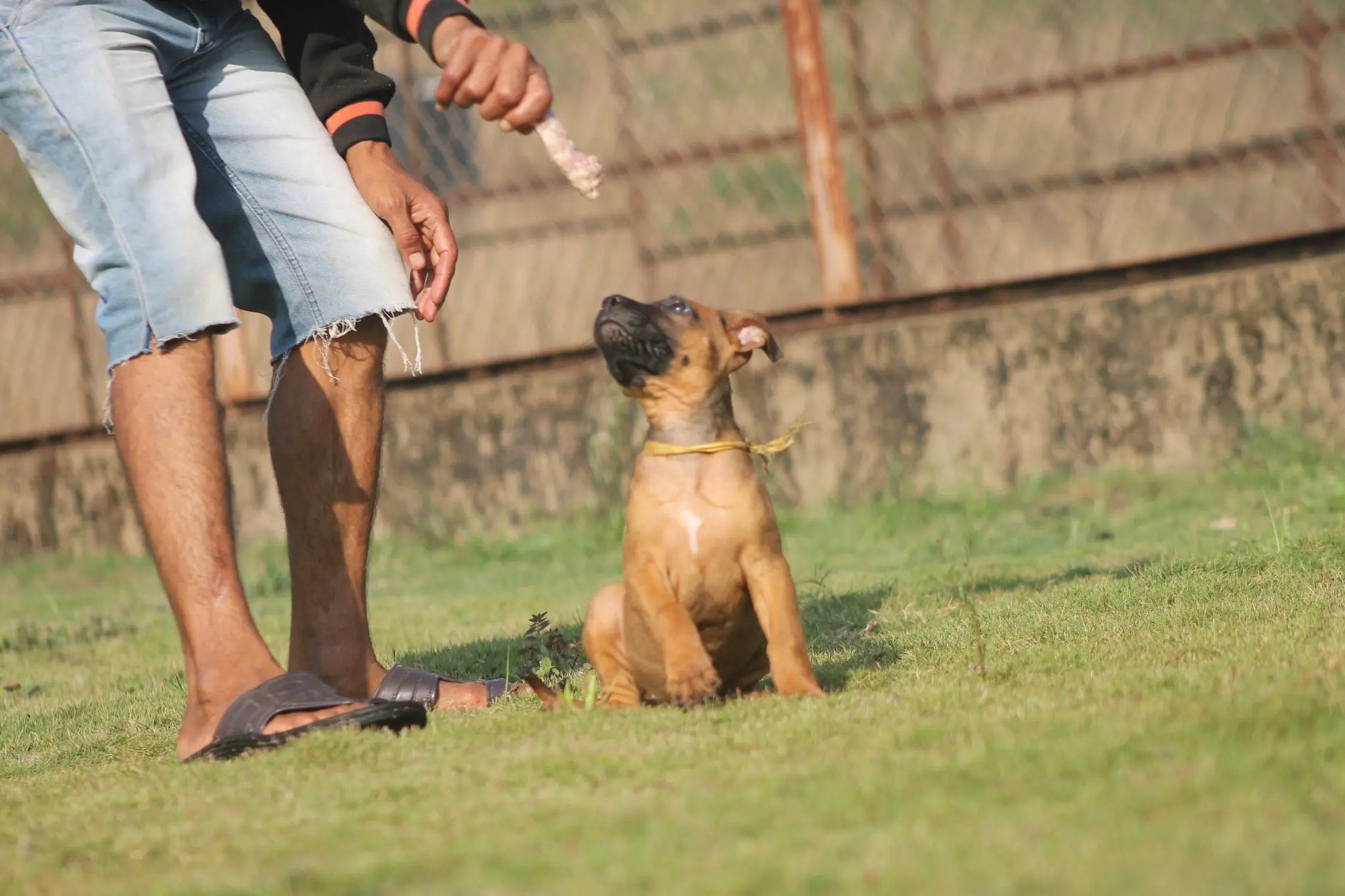
The Pitbull dog breed has captured hearts worldwide with its muscular build, unwavering loyalty, and surprisingly gentle nature. In India, these powerful canines are increasingly becoming popular among dog enthusiasts who appreciate their protective instincts and loving temperament. However, owning a Pitbull in India comes with unique considerations, from understanding the legal landscape to providing proper training and care.
This comprehensive guide covers everything you need to know about Pitbulls in India—from identifying authentic breeds and understanding costs to training tips and debunking common myths. Whether you’re considering bringing home a Pitbull puppy or simply want to learn more about this misunderstood breed, you’ve come to the right place.


What Are the 4 Breeds of Pitbulls?
Before diving into the specifics of Pitbull ownership in India, it’s essential to understand what makes this breed unique. The term ‘Pitbull’ isn’t actually a single breed but rather an umbrella term that encompasses several dog breeds with similar characteristics.
When people ask about Pitbull breeds, they’re typically referring to these four main types:
• American Pit Bull Terrier (APBT): The original Pitbull breed, known for its athletic build, intelligence, and strong work ethic. These dogs typically weigh between 30-60 pounds and stand 17-21 inches tall.
• American Staffordshire Terrier: Slightly larger than the APBT, with a more stocky build. They’re known for their courage, loyalty, and affectionate nature with family members.
• Staffordshire Bull Terrier: Smaller and more compact, weighing 24-38 pounds. Despite their muscular appearance, they’re incredibly gentle with children and earned the nickname ‘nanny dog.’
• American Bully: A newer breed developed in the 1990s, with a wider, more muscular frame. They come in various sizes from pocket to XL and are bred specifically as companion dogs.
How to Identify a Pitbull: What Does a True Pit Bull Look Like?
Identifying an authentic Pitbull can be challenging, especially in India where mixed breeds are common. Here are the key physical characteristics:
• Head Structure: Broad, wedge-shaped head with powerful jaws. The skull is flat and wide between the ears.
• Body Build: Muscular, athletic frame with a deep, broad chest and well-defined muscles throughout. Compact and powerful rather than lanky.
• Coat: Short, glossy, and smooth coat that comes in various colors including brindle, blue, fawn, white, black, and red.
• Ears: Can be cropped or natural. Natural ears are typically rose-shaped or half-pricked.
• Tail: Thick at the base, tapering to a point. Carried low and should never curl over the back.
• Eyes: Round to almond-shaped, set wide apart. Any color except blue in the APBT (blue eyes indicate mixed breeding).

What Dog is Mistaken for a Pitbull?
Several breeds are commonly confused with Pitbulls due to similar physical characteristics. In India, this confusion is particularly common:
• American Bulldog: Larger and heavier than Pitbulls, with a more wrinkled face. Often mistaken due to their muscular build.
• Bull Terrier: Recognizable by their distinctive egg-shaped head, but often confused by those unfamiliar with the breed.
• Boxer: Similar muscular build and square head, but with a more pronounced underbite and different body proportions.
• Dogo Argentino: Large, all-white hunting dog that shares the muscular build but is significantly bigger.
• Mixed Breeds: Many Indian street dogs with stocky builds are mistakenly identified as Pitbulls or Pitbull mixes.
How to Tell the Difference Between Pit Bull Breeds?
Distinguishing between the four main Pitbull types requires attention to specific details:
Size Differences: Staffordshire Bull Terriers are the smallest (24-38 lbs), followed by American Pit Bull Terriers (30-60 lbs), then American Staffordshire Terriers (40-70 lbs), with American Bullies varying the most (pocket to XL sizes).
Build Variations: APBTs have a more athletic, lean build suitable for agility. American Staffordshires are stockier with more muscle mass. American Bullies have the widest, most exaggerated muscular build.
Head Shape: APBTs have a more narrow, wedge-shaped head. Staffordshires have broader heads with more pronounced cheek muscles. American Bullies have the largest, blockiest heads.

What Makes a Pitbull a Pitbull?
Beyond physical characteristics, true Pitbulls share specific behavioral and temperamental traits:
• High Energy and Drive: Pitbulls are working dogs with incredible stamina and determination. They need regular exercise and mental stimulation.
• People-Oriented Nature: Despite their tough appearance, Pitbulls are extremely affectionate with humans and crave companionship.
• Intelligence and Trainability: These dogs are highly intelligent and eager to please, making them highly trainable when using positive reinforcement.
• Tenacity and Courage: Originally bred for bull-baiting and later as farm dogs, Pitbulls possess remarkable determination and bravery.
• Powerful Bite: Pitbulls have strong jaw muscles and a tenacious grip, which is why proper training is essential.

Which Pitbull Breed is Best?
The ‘best’ Pitbull breed depends entirely on your lifestyle, experience level, and what you’re looking for in a companion:
For Families with Children: The Staffordshire Bull Terrier is often recommended due to their smaller size and well-documented gentleness with kids. They’re nicknamed ‘nanny dogs’ for good reason.
For Active Individuals: The American Pit Bull Terrier is ideal if you enjoy running, hiking, or dog sports. Their athletic build and high energy make them perfect exercise partners.
For First-Time Pitbull Owners in India: The American Staffordshire Terrier offers a good balance of the breed’s positive traits with a slightly more manageable temperament for beginners.
For Companionship: The American Bully was specifically bred as a companion dog, making them excellent for those seeking a loyal, affectionate pet with reduced prey drive.
How Many Types of Pit Bulls Are There?
While the four main breeds mentioned above are the most recognized, the Pitbull family tree is more complex. Core Pitbull breeds include the American Pit Bull Terrier, American Staffordshire Terrier, Staffordshire Bull Terrier, and American Bully. However, the American Bully has five recognized size variations: Pocket, Standard, Classic, XL, and XXL, each with distinct characteristics.
In India, you’ll also encounter countless mixed breeds that carry Pitbull genetics. These dogs may display some Pitbull characteristics but aren’t purebred. It’s crucial to work with reputable breeders who can provide documentation proving lineage, especially given the legal complexities in India.
Is Pitbull Banned in India?
Pitbull Ownership in India: Legal Status and Considerations.
This is perhaps the most frequently asked question about Pitbulls in India, and the answer is nuanced. As of February 2026, the legal status of Pitbulls in India exists in a gray area that prospective owners must understand carefully.
The Current Legal Situation:
In March 2024, the Department of Animal Husbandry and Dairying issued a circular recommending that state governments ban the import, breeding, and sale of 23 ‘ferocious’ dog breeds, including Pitbull Terriers. However, this was an advisory, not a nationwide law. In January 2025, the Ministry clarified to the Bombay High Court that this circular is not being enforced nationwide at present.
State-by-State Variations:
The implementation varies dramatically across India. States like Maharashtra and Goa have more stringent enforcement and may require special permits, mandatory sterilization, or have outright bans in certain municipalities. Other states have minimal or no enforcement of breed restrictions. This means your ability to legally own a Pitbull depends on where you live in India.
What This Means for Existing Owners:
If you already own a Pitbull in India, you are generally not required to give up your dog. However, authorities may mandate sterilization to prevent breeding. It’s crucial to register your dog with local municipal authorities, maintain up-to-date vaccination records, and follow all local leashing and muzzling requirements.
Is Pitbull Dog Legal in India?
The Practical Reality
While the federal government has issued advisories against these breeds, there is currently no single, enforceable nationwide ban on owning Pitbulls. The legal status depends on:
• Your state’s specific regulations regarding aggressive breeds
• Your municipal or city laws about dog ownership
• Your housing society’s rules (many societies have banned large or ‘aggressive’ breeds)
• Whether you acquired your dog before or after any local restrictions.
Before bringing home a Pitbull, check with your local municipal corporation about current regulations. Consult your housing society management if you live in an apartment complex. Consider purchasing pet liability insurance if available in your city, as this protects both you and others in case of any incidents.

What is the Real Price of a Pitbull?
Pitbull Price in India: Complete Cost Breakdown:
The Pitbull price in India varies significantly based on multiple factors. As of 2026, expect to pay anywhere from ₹25,000 to ₹1,10,000 for a Pitbull puppy. Here’s what influences the price:
Breed Type and Lineage: A purebred American Pit Bull Terrier from champion bloodlines can cost ₹60,000-₹1,10,000. American Staffordshire Terriers typically range from ₹50,000-₹80,000. Staffordshire Bull Terriers might cost ₹40,000-₹70,000. American Bullies, especially XL variants, can exceed ₹1,00,000.
Breeder Reputation: Registered KCI (Kennel Club of India) breeders charge premium prices but offer health guarantees, genetic testing, and proper documentation. Backyard breeders may offer puppies for ₹20,000-₹30,000, but this comes with significant health and authenticity risks.
Color and Markings: Rare colors like blue, lilac, or tri-color patterns command higher prices. Blue-nose Pitbulls are particularly sought after and can cost 30-50% more than standard colors.
Age: Puppies aged 8-12 weeks are most expensive. Adult dogs or adolescent Pitbulls may be available for ₹15,000-₹40,000, especially through rescue organizations.
What Are the Top 10 Pitbull Bloodlines?
For serious Pitbull enthusiasts in India interested in pedigree and lineage, understanding bloodlines is essential. These bloodlines represent decades of selective breeding for specific traits:
• Colby Bloodline: The oldest and most famous bloodline, established in 1889. Known for balanced temperament, loyalty, and working ability. These dogs excel in various activities from weight pull to agility.
• Gator Bloodline: Also called Gator Mouth, known for their powerful build and determination. They have a stockier frame and are popular among those seeking guard dogs.
• Razors Edge: Developed specifically as companion dogs with a more muscular, bully appearance. They’re known for their gentle temperament and make excellent family pets.
• Gottiline: Founded by Richard Barajas, this bloodline produces massive, heavily muscled American Bullies. Popular for their impressive appearance and calm demeanor.
• Chevy Bloodline: Known for producing athletic, agile Pitbulls with strong prey drive. Popular among those who want a working dog.
• Old Family Red Nose (OFRN): One of the oldest bloodlines, famous for their copper-red coat, red nose, and amber eyes. Highly sought after and typically more expensive.
• Jeep/Redboy: Combined bloodlines known for exceptional gameness and athleticism. These dogs excel in sports and activities requiring stamina.
• Monster G: A more recent bloodline producing massive American Bullies with exaggerated features. Known for their imposing appearance.
• Carver: Developed by Maurice Carver, these dogs are known for intelligence, drive, and working ability. They’re athletic and excel in various dog sports.
• Remyline: A newer bloodline producing extreme American Bullies with massive heads and thick builds. Popular among those seeking the most exaggerated bully features.
In India, finding authentic bloodline Pitbulls is challenging. Most breeders claim bloodlines without proper documentation. If bloodline purity matters to you, demand pedigree papers, health certificates, and verification from recognized kennel clubs. Be prepared to pay premium prices for authenticated bloodlines.

Debunking Common Pitbull Myths
Pitbulls are surrounded by misconceptions that affect their adoption rates and public perception. Let’s address the most common myths with facts:
Myth 1:
Pitbulls Have Locking Jaws
Fact: This is completely false. Pitbulls have the same skull and jaw structure as other dogs. No dog breed has a locking jaw mechanism. What Pitbulls do have is strong jaw muscles and high bite force (235 PSI), but this is less than Rottweilers (328 PSI) and German Shepherds (238 PSI). Their reputation comes from their terrier tenacity—once they grip, they’re determined to hold on, but they can and do release normally.
Myth 2:
Pitbulls Are Inherently Aggressive
Fact: The American Temperament Test Society tests dog breeds for stability, shyness, aggressiveness, and friendliness. Pitbull-type dogs consistently score above average, with an 87.4% pass rate compared to the overall average of 83.7%. Golden Retrievers, often considered the ideal family dog, score 85.6%. Aggression is not breed-specific—it’s a result of poor breeding, lack of socialization, abuse, or neglect.
Myth 3:
Pitbulls Can’t Be Trusted with Children
Fact: Historically nicknamed ‘nanny dogs,’ properly socialized Pitbulls are excellent with children. They’re patient, affectionate, and protective. The issue isn’t the breed—it’s supervision. No large dog should be left unsupervised with small children, regardless of breed. Responsible ownership and teaching children appropriate behavior around dogs prevents incidents.
Myth 4:
Pitbulls Attack Without Warning
Fact: All dogs show warning signs before biting—stiffening, growling, showing teeth, raised hackles, whale eye (showing whites of eyes). The problem is many people can’t read canine body language. Pitbulls, like all dogs, give signals. Incidents often occur because warnings were ignored or the dog was put in an untenable situation (cornered, in pain, protecting resources).
Myth 5:
You Can’t Train Aggression Out of a Pitbull
Fact: Pitbulls are highly trainable and respond exceptionally well to positive reinforcement training. Many rescued Pitbulls from fighting operations have been successfully rehabilitated and placed in loving homes. Michael Vick’s rescued fighting dogs are a famous example—many became therapy dogs and family pets. With proper training, socialization, and patience, behavioral issues can be addressed.
Myth 6:
Pitbulls Are Not Smart
Fact: Pitbulls are highly intelligent dogs that excel in various working roles including search and rescue, therapy work, and service dog tasks. They ranked in the middle tier of Stanley Coren’s intelligence rankings, but this measures trainability, not overall intelligence. Their problem-solving abilities and eagerness to please make them excellent learners.
FAQ – About the Pitbull Dog Breed
LEARN MORE ABOUT INDIA'S No.1 FRESH DOG FOOD
FRESH DOG FOODFinal Thoughts
Conclusion: Is a Pitbull Right for Your Indian Home?
Pitbulls are remarkable dogs—powerful, loyal, affectionate, and intelligent. In India, owning a Pitbull comes with unique challenges including legal uncertainties, climate considerations, and public perception. However, for the right owner, they make exceptional companions.
You Should Consider a Pitbull If:
• You have experience with strong, energetic breeds or are willing to work with professional trainers
• You can provide 60-90 minutes of daily exercise regardless of weather
• You have air conditioning for hot Indian summers
• You’re committed to lifelong training and socialization
• You can budget ₹10,000-₹15,000 monthly for food, healthcare, and supplies
• You’ve verified local regulations and your housing allows Pitbulls
• You want a devoted companion who thrives on human interaction
You Should Look at Other Breeds If:
• You work long hours and cannot arrange midday care
• You live in a small apartment without AC and limited outdoor access
• You’re a first-time dog owner with no training experience
• You’re not prepared for the financial commitment (initial cost ₹25,000-₹1,10,000 plus ongoing expenses)
• You want a guard dog that’s aggressive toward strangers (Pitbulls are typically too people-friendly)
• You’re uncomfortable with public scrutiny or negative reactions to your dog
Final Thoughts: Pitbulls are not inherently dangerous—they’re dogs that require responsible ownership. In India, where they face legal uncertainties and climate challenges, potential owners must be extra committed. Research your local laws, find reputable breeders or rescue organizations, invest in training, and prepare for a 10-15 year commitment to a dog that will love you unconditionally.
Remember, a Pitbull is not just a pet—it’s a family member that will shape your daily routine, influence your decisions, and fill your life with loyalty, laughter, and love. If you’re ready for the responsibility, few breeds will reward you more generously.
👉 Explore BARF India’s range of raw puppy meals, bone broths, and joint-support recipes to build a nutrition plan that helps your dog stay active, happy, and pain-free.