Raw for Maximum Nutrition
Made in our own Kitchens
Human grade products
What’s REALLY In Your Cat’s Food? The Truth Will Shock You
WRITTEN BY NIVEDITA FERNANDES
13/9/2025
5 MIN READ
TABLE OF CONTENTS
- A Shocking Revelation for Every Cat Parent
- What’s Really Inside Commercial Cat Food?
- Resolution: The Rise of Fresh Cat Food
- Fresh vs. Kibble: A Nutrient Showdown
- Who Is Leading This Change in India?
- Case Study
- FAQs
- Make the Switch Today
If you’ve been searching for a healthier, fresher alternative to processed kibble, BARF India’s cooked cat food is the answer. Made from human-grade, preservative-free ingredients, it’s the closest you can get to homemade cat food — without the effort. Our sampler pack is perfect for finicky cats, giving them a chance to explore every recipe and find their favourite.
A Shocking Revelation for Every Cat Parent
If you're like most cat parents, you've likely stood in the pet food aisle, staring at colorful bags of kibble or neatly lined cans, wondering which is best. With marketing buzzwords like "gourmet," "premium," and "veterinarian-approved," it's easy to assume you're making the healthiest choice for your feline friend.
But what if I told you that the food you're feeding your cat may have been manufactured over a year ago?
Yes. That cute little bag of kibble with the playful kitten photo? It could contain meat that was rendered, preserved with harsh chemicals, and stored for months before reaching your cat's bowl.
Behind the polished packaging lies a truth few cat owners know: most commercial cat foods are far from the fresh, nutritious meals our pets deserve.
This isn’t a scare tactic. It’s a wake-up call
What’s Really Inside Commercial Cat Food?
- Rendered Meat and Meat By-Products
"Chicken meal," "meat by-product," "animal digest" — these are common ingredients in many cat foods. But what do they actually mean?
- Rendered meat is a product of cooking down animal parts not fit for human consumption: beaks, feathers, bones, hooves, diseased tissue, and more.
- Meat by-products often include leftover scraps from slaughterhouses.
- Animal digest is a euphemism for a soup of enzymatically broken down animal tissue used to add flavor.
These are not the clean, protein-rich sources your cat’s body was designed to process.
- Preservatives That Belong in Lab Bottles
BHA, BHT, and Ethoxyquin are common synthetic preservatives used to extend shelf life. Some of these chemicals are banned in human foods in certain countries due to links with cancer and organ damage in lab studies.
Why, then, are they allowed in pet food?
The pet food industry is poorly regulated in many parts of the world. Loopholes allow companies to use these additives in quantities that, while technically "approved," are far from optimal for long-term health.
- Artificial Colors and Flavors
The pink tint in "salmon-flavored" kibble? It's not from salmon. In fact, there's a high chance it contains zero actual fish. Instead, food dyes and artificial flavors trick your cat's senses.
Why does a carnivore need food coloring anyway?
Because it appeals to humans. The industry is built more around selling to pet parents than actually nourishing pets.
- Long Shelf Lives = Stale Nutrition
Commercial cat foods are designed to survive months in warehouses and on store shelves. This is achieved through:
- Heavy processing at extreme temperatures
- Chemical preservatives
- Packaging that locks in stale fats
While this benefits manufacturers and retailers, it does nothing for your cat's nutritional needs. Nutrients degrade over time, and what reaches your home is often a shadow of what the label promises.
Health Issues Tied to Commercial Diets
It's no coincidence that vets are seeing spikes in:
- Kidney disease
- Obesity
- Diabetes
- Dental problems
Many of these issues trace back to over-processed, carbohydrate-heavy diets that fail to match a cat's natural biological needs.
Your cat is an obligate carnivore. Their ideal diet is rich in moisture, protein, and minimal carbohydrates. Kibble and many canned foods simply don't meet the mark.

Resolution: The Rise of Fresh Cat Food
What Is Fresh Cat Food?
Fresh cat food refers to meals made from real, human-grade ingredients, like chicken breast, fish fillets, pumpkin, and spinach, cooked gently to retain nutrients and frozen immediately to preserve freshness.No artificial preservatives. No fillers. No mystery meats.
Just honest food your cat would instinctively recognize.
Why Cats Thrive on It?
Cats on fresh diets show:
- Shinier coats and reduced shedding
- Increased energy and playfulness.
- Better digestion and less smelly litter boxes.
- Reduced hairballs and improved dental health
- Weight regulation and muscle retention
Because fresh cat food mimics a natural carnivore diet, it supports feline health in a way that highly processed kibble cannot.
Fresh vs. Kibble: A Nutrient Showdown
Nutrient Aspect | Kibble | Fresh Cooked Food |
|---|---|---|
Protein Quality | Often low-grade or by-product | High-quality meat cuts |
Moisture | ~10% | 70-80% |
Preservatives | Chemical (BHA, BHT) | None |
Carbohydrates | 30-50% | Less than 10% |
Shelf Life | 6-18 months | 5-7 days (frozen) |
Digestibility | Low | High |
Who Is Leading This Change in India?
Enter BARF India — a pioneering brand reshaping pet food in India. They offer:
- Fresh cooked cat meals
- Made from human-grade meats and zero preservatives
- Blast-frozen for safe transport
- Delivered to your doorstep on a subscription or one-time basis
Their recipes are tailored to feline physiology, ensuring high protein, low carb, and moisture-rich meals.

Case Study: A Cat’s Journey from Sick to Supercharged
Meet Luna, a 4-year-old Persian cat in Mumbai.
Luna was sluggish, frequently vomited hairballs, and had constant skin flaking. Her vet suggested switching to a hypoallergenic kibble. But nothing worked.Her pet parent stumbled across BARF India’s fresh cat food.
Within 10 days:
- Luna’s appetite improved
- Her coat regained shine.
- Her stool became regular and less pungent.
- She started jumping on counters again!
After 30 days, the transformation was undeniable.
Fresh food wasn’t a luxury. It was medicine in a bowl.
LEARN MORE ABOUT INDIA'S No.1 FRESH CAT FOOD
FRESH CAT FOODFAQs: Answering the Top Doubts Cat Parents Have
- Isn’t fresh cat food expensive?
Compared to frequent vet bills, prescription foods, and supplements? Fresh food is often more economical in the long run. You’re investing in prevention, not cure - How do I store it?
BARF India ships meals frozen. Simply store in your freezer, and thaw as needed. No different from frozen paneer or chicken at home. - Will my cat like it?
Most cats take to it instantly. For picky eaters, BARF India provides gradual transition guides.
Feeding your cat a fresh cooked diet, like BARF India’s offerings, can lead to a noticeable difference in energy levels..
GET A SAMPLER PACKThe Future of Cat Nutrition Is Fresh
The tide is turning. Just as humans are moving away from processed, preservative-laden foods, pet parents are realizing that our feline companions deserve better too.
Fresh cat food isn’t a trend. It’s a return to common sense. And brands like BARF India are leading the way.
Every day you feed your cat commercial food is a day you compromise on their potential health.
➡️ Don’t wait for a diagnosis. Don’t ignore the hairballs, the laziness, or the digestive issues.
Make the switch. Try BARF India’s Fresh Cooked Cat Food today.
Your cat will thank you. With louder purrs, brighter eyes, and years of healthier, happier companionship.

A kitten raised on BARF India’s cooked cat food starts life on the right paw—with real ingredients, no shortcuts, and optimal growth support
Hopefully, this guide has answered any questions you might have had about why cooked cat food from BARF India is a great choice for your feline. If you have any further questions or need personalised advice on transitioning your cat to fresh, homemade-style meals, feel free to email us at admin@barfindia.com. We’re always happy to help and ensure your cat enjoys the healthiest, tastiest diet possible!
YOU MAY ALSO LIKE
Why Raw Cat Food is the Best Choice for Cats in India: A Complete Guide to Feline Nutrition
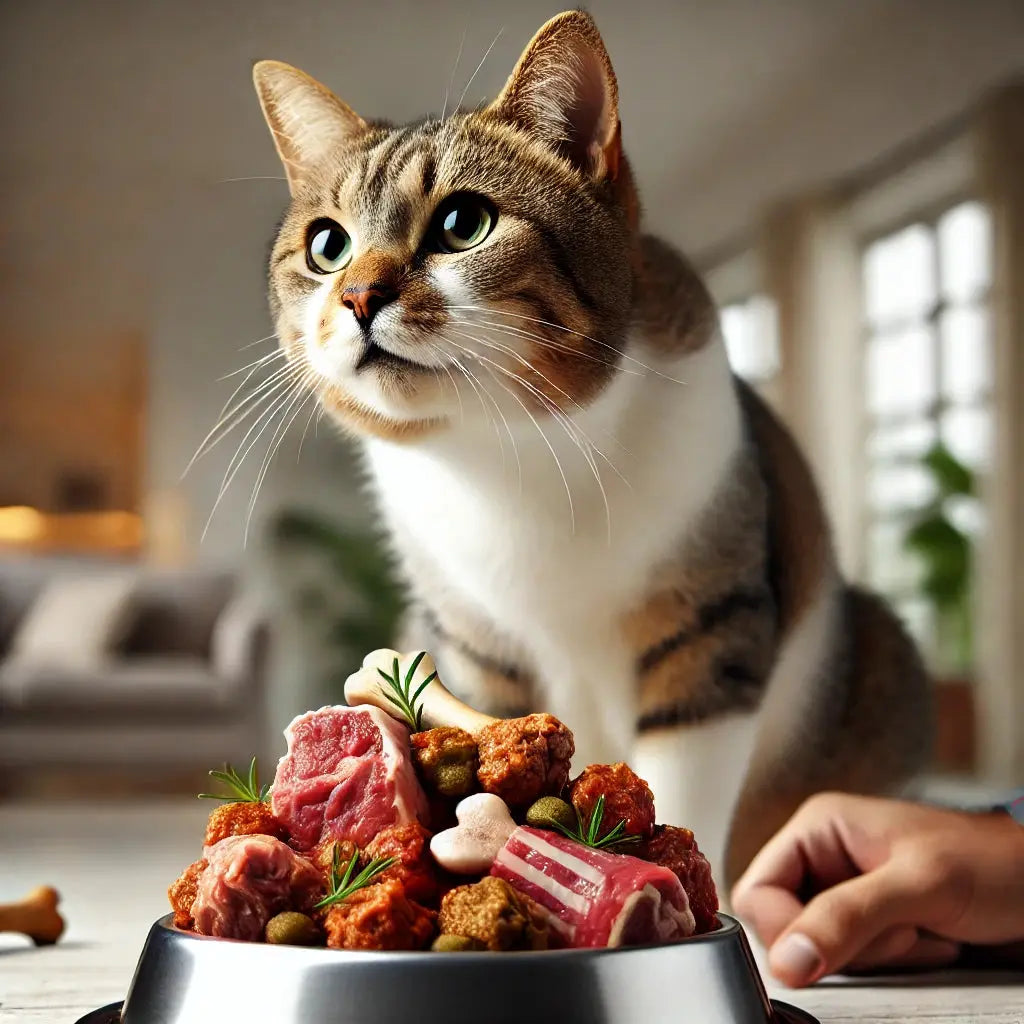
Raw cat food is rapidly gaining popularity among Indian pet parents—and for good reason. Unlike commercial options, raw food offers a natural, nutrient-rich diet that aligns with a cat's carnivorous nature. From better digestion and shinier coats to increased energy levels and improved hydration, the benefits of raw feeding are significant. In this guide, we explore why raw cat food is the healthiest choice for your feline friend in India and how you can make the transition seamlessly. Discover why your cat deserves raw nutrition and how BARF India's Raw Cat Food can make all the difference