Raw for Maximum Nutrition
Made in our own Kitchens
Human grade products
Hairball Issue in Cats: Causes, Symptoms, Prevention & Diet Tips
WRITTEN BY NIVEDITA FERNANDES
12/9/2025
5 MIN READ
TABLE OF CONTENTS
- Hairball Issue in Cats: Causes & Symptoms.
- Understanding the Hairball Issue in Cats
Why Do Cats Get Hairballs? - Symptoms of Hairballs in Cats
- Are Hairballs Dangerous?
- Preventing the Hairball Issue in Cats
- Diet & Hairball Control
- How BARF India’s Cooked Cat Food Helps
- Final Thoughts
If you’ve been searching for a healthier, fresher alternative to processed kibble, BARF India’s cooked cat food is the answer. Made from human-grade, preservative-free ingredients, it’s the closest you can get to homemade cat food — without the effort. Our sampler pack is perfect for finicky cats, giving them a chance to explore every recipe and find their favourite.
Hairball Issue in Cats: Causes, Symptoms, Prevention & Diet Tips
Cats are natural groomers, often spending hours each day licking their fur to keep clean. While this behavior is instinctive and beneficial, it also comes with a not-so-pleasant side effect: hairballs. If you're a cat parent, you've probably seen your feline companion retch and gag before eventually expelling a tube-shaped clump of fur. While occasional hairballs are normal, frequent episodes may signal a deeper issue with digestion or diet.
In this comprehensive guide, we’ll explore the hairball issue in cats—why they happen, how to reduce them, when they become a problem, and how a fresh, preservative-free food like BARF India’s cooked cat food can support healthier digestion and coat maintenance.
Understanding the Hairball Issue in Cats
Hairballs, or trichobezoars, are formed when cats ingest loose hair during grooming. Most of this hair passes through the digestive tract and is expelled in the stool. However, some of it accumulates in the stomach and forms a mass. If this mass can't move through the digestive tract, your cat will attempt to vomit it up. What results is that familiar, slightly alarming coughing or gagging followed by the ejection of a moist, cylindrical wad of hair.
For most cats, this is a harmless and occasional process. But in some cases, hairballs can become more than just an inconvenience. When they occur frequently or cause distress, they may indicate an underlying issue—either in grooming behavior, digestion, or dietary intake.
While all cats groom, some are more predisposed to hairball formation due to their breed, coat length, or lifestyle. Long-haired breeds like Persians and Maine Coons are particularly vulnerable, and so are indoor cats that may not shed hair seasonally as efficiently as outdoor cats.

Why Do Cats Get Hairballs?
There are multiple contributing factors to hairball formation. Here’s a closer look:
1. Excessive Grooming: Some cats develop compulsive grooming habits due to boredom, anxiety, or skin irritation. The more they groom, the more hair they ingest.
2. Long-Haired Breeds: Persians, Ragdolls, Maine Coons, and similar breeds naturally ingest more hair due to their thick, luxurious coats.
3. Seasonal Shedding: During transitions between seasons, cats often shed their fur more profusely. Without additional grooming assistance, this extra fur ends up being swallowed.
4. Poor Digestive Motility: If your cat has a sluggish or sensitive digestive system, it may not be able to efficiently move the ingested hair through its GI tract. This can cause hair to build up in the stomach.
5. Inadequate Hydration or Fiber Intake: Cats who eat only dry kibble may not get enough moisture. When combined with low dietary fiber, this results in decreased motility and harder stools, increasing the risk of hairball buildup.
6. Diet Quality: Highly processed cat food with fillers, artificial additives, and poor-quality meat sources may not provide the nutrients needed to support a healthy coat or digestive function.
Understanding what’s behind your cat’s hairball issue is the first step in effectively preventing them.
Symptoms of Hairballs in Cats
Hairballs often present with recognizable symptoms, but they can sometimes mimic more serious health problems. Here are common indicators:
- Frequent gagging or retching: Sounds like your cat is trying to cough but producing little to nothing.
- Vomiting of hair: Usually cylindrical and moist, composed primarily of fur.
- Constipation or straining in the litter box: Hair can cause partial GI obstruction.
- Loss of appetite: Due to nausea or discomfort caused by a hairball.
- Lethargy: Reduced interest in playing or movement.
- Repeated unproductive vomiting attempts: A more serious sign that could indicate a blockage.
If these symptoms become frequent, it's time to look at both dietary and behavioral adjustments.

Are Hairballs Dangerous?
In most cases, hairballs are harmless and are passed with little consequence. However, there are circumstances where they can pose serious health risks:
- Intestinal Blockages: If a large hairball can't be expelled or passed through the intestines, it may cause a dangerous blockage that requires surgery.
- Chronic Constipation: Hair buildup in the colon can slow motility and make defecation difficult.
- Esophageal Inflammation: Frequent vomiting irritates the esophagus, leading to pain and potential infection.
- Malnutrition: If appetite decreases significantly, your cat may suffer from nutrient deficiencies.
Don’t panic if your cat vomits a hairball every few weeks. But if it becomes a weekly occurrence or is accompanied by symptoms like loss of appetite or weight, professional evaluation is needed.
LEARN MORE ABOUT INDIA'S No.1 FRESH CAT FOOD
FRESH CAT FOODPreventing the Hairball Issue in Cats
The best approach to hairballs is prevention. Here's how you can proactively reduce the frequency and severity of hairball episodes:
- Groom Your Cat Regularly:
- Brush long-haired cats daily, and short-haired cats 2–3 times per week.
- Use appropriate brushes (slicker brushes, deshedding tools) to remove loose fur.
- Wipe your cat with a damp cloth afterward to collect remaining strands. - Increase Hydration:
- Offer multiple water bowls throughout the house.
- Use a cat water fountain to stimulate drinking.
- Feed moisture-rich foods like fresh cooked meals instead of dry kibble. - Add Digestive Support:
- Offer pumpkin puree, psyllium husk, or high-fiber veggies in moderation.
- Incorporate probiotics or digestive enzymes (vet-approved). - Manage Stress:
- Provide enrichment: toys, scratchers, window views, vertical spaces.
- Establish routines to reduce anxiety.
- Use pheromone diffusers or calming sprays during changes in environment. - Improve Diet Quality:
- Choose real meat-based, high-moisture cat food.
- Avoid artificial preservatives, rendered meats, and chemical additives.
- Consider rotating proteins to maintain coat health.
By implementing these habits, you're supporting both digestive function and coat condition—minimizing the chance for hairball formation.

Diet and Hairball Control: What You Need to Know
Let’s talk about the connection between nutrition and hairballs. What your cat eats directly affects how its body manages fur ingestion.
Cats fed a biologically appropriate, meat-rich, and moisture-dense diet typically experience:
- Less shedding (due to improved coat health)
- Better hydration (moisture in food supports GI motility)
- Smoother digestion (fewer obstructions, better nutrient absorption)
- Stronger gut microbiome (less inflammation, better immune function)
Compare that to kibble-fed cats:
- High in carbohydrates and fillers
- Lacking moisture
- Often low in quality animal protein
Feeding your cat a fresh cooked diet, like BARF India’s offerings, can lead to a noticeable difference in both energy levels and the frequency of hairballs.
GET A SAMPLER PACKHow BARF India’s Cooked Cat Food Supports Hairball Prevention
The foundation of feline wellness is a biologically appropriate diet, and BARF India’s cooked cat food ticks all the right boxes. It’s ideal for cats prone to hairballs due to its clean ingredient profile, digestibility, and moisture content.
Here’s how BARF India helps:
- Natural hydration: Fresh food naturally contains moisture, helping move ingested hair through the digestive tract.
- Better coat quality: Real meat proteins support skin and coat health, reducing shedding.
- Preservative-free: No synthetic additives or fillers that inflame the digestive lining.
- Enhanced digestion: Gentle on the gut and suitable even for cats with food sensitivities or past GI issues.
BARF India’s recipes are developed with veterinary insight and feline physiology in mind. Whether your cat is struggling with hairballs or you simply want to prevent them naturally, cooked cat food is a safe, effective solution.

Why Kittens Thrive on Fresh Food
Kittens may not have hairball problems initially, but the foundation you lay now shapes their future health. Feeding a fresh, cooked diet supports:
- Healthy grooming habits: Less irritation, less over-grooming
- Glossy, strong coats: Reduced shedding
- Strong digestion: Fewer upsets and better nutrient uptake
- Immune development: Gut health is linked to immune resilience
A kitten raised on BARF India’s cooked cat food starts life on the right paw—with real ingredients, no shortcuts, and optimal growth support
Final Thoughts:
The hairball issue in cats may be common, but that doesn’t mean it should be accepted as “normal.” With the right balance of grooming, hydration, fiber, and nutrition, you can make hairballs a rare event
in your cat’s life.
By choosing BARF India’s cooked cat food, you're opting for a diet that supports your cat’s digestion, reduces shedding, and keeps their tummy clear of unwanted clumps of fur. It’s not just food—it’s a holistic step toward feline wellness.
A switch to BARF India’s cooked cat food provides
the nourishment your cat deserves without preservatives, with full transparency, and with a whole lot of love.Explore BARF India’s Cooked Cat Food Range — and support your cat’s kidney health the natural way.
👉 Ready to see the difference? Try our Cooked Cat Food Sampler Pack today and discover your cat’s new favorite meal.
Hopefully, this guide has answered any questions you might have had about why cooked cat food from BARF India is a great choice for your feline. If you have any further questions or need personalised advice on transitioning your cat to fresh, homemade-style meals, feel free to email us at admin@barfindia.com. We’re always happy to help and ensure your cat enjoys the healthiest, tastiest diet possible!
YOU MAY ALSO LIKE
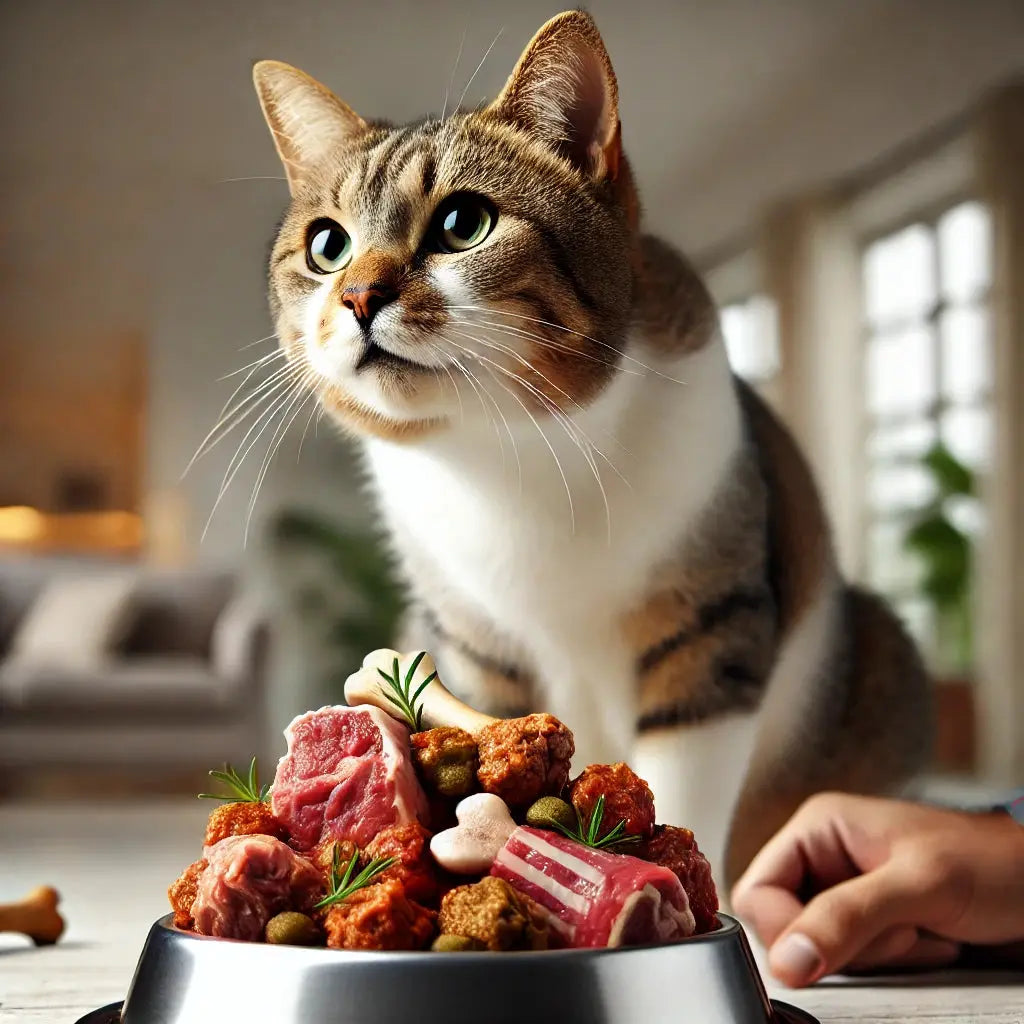
Why Raw Cat Food is the Best Choice for Cats in India: A Complete Guide to Feline Nutrition
Raw cat food is rapidly gaining popularity among Indian pet parents—and for good reason. Unlike commercial options, raw food offers a natural, nutrient-rich diet that aligns with a cat's carnivorous nature. From better digestion and shinier coats to increased energy levels and improved hydration, the benefits of raw feeding are significant. In this guide, we explore why raw cat food is the healthiest choice for your feline friend in India and how you can make the transition seamlessly. Discover why your cat deserves raw nutrition and how BARF India's Raw Cat Food can make all the difference