Raw for Maximum Nutrition
Made in our own Kitchens
Human grade products
26 April 2026
Transitioning to Raw Dog Food: A Guide for 2026
Transitioning to Raw Dog Food made simple. Learn the step-by-step process, expert tips, common mistakes, and FAQs to help your dog thrive on a raw diet.

26 April 2026
Transitioning to Raw Dog Food: The Ultimate Guide for 2026
Transitioning to Raw Dog Food made simple. Learn the step-by-step process, expert tips, common mistakes, and FAQs to help your dog thrive on a raw diet.
Table of contents
• Foundations of Transitioning to Raw Dog Food• A Step-by-Step Plan for Transitioning to Raw Dog Food• Common Mistakes During Transitioning to Raw Dog Food• Monitoring Your Dog When Transitioning to Raw Dog Food• Detoxification Process During Transitioning to Raw Dog Food• FAQs: Transitioning to Raw Dog Food• ConclusionTable of contents
• Foundations of Transitioning• A Step-by-Step Plan • Common Mistakes • Monitoring Your Dog • Detoxification Process • FAQs: On Transitioning• ConclusionTransitioning to Raw Dog Food is one of the most rewarding choices a pet parent can make today. Many dog owners now want fresh, biologically appropriate meals for their pets. However, the shift takes patience and a clear roadmap. This complete guide walks you through every step of Transitioning to Raw Dog Food safely and confidently.
Foundations of Transitioning to Raw Dog Food
Why Transitioning to Raw Dog Food Is Worth It
Many pet parents wonder why this diet shift is gaining popularity. Transitioning to Raw Dog
Food brings dogs closer to a natural, ancestral menu. Wild canines thrive on whole prey filled
with meat, bone, and organs. Therefore, mimicking that diet can boost your pet’s daily vitality.
Moreover, kibble often contains fillers, artificial flavors, and processed grains. A raw diet, by
contrast, offers fresh nutrients in their purest form. As a result, many dogs show better
digestion, energy, and coat quality.
Health Benefits of Transitioning to Raw Dog Food
Transitioning to Raw Dog Food can improve many aspects of canine wellness. Owners often
notice firmer stools, brighter eyes, and shinier fur within weeks. In addition, raw bones help
clean teeth naturally without harsh dental products.
Energy levels also rise as dogs absorb more nutrients from whole foods. Furthermore, allergies
and itchy skin often calm down on a fresh diet. A raw plan supports lean muscle, joint health,
and a strong immune system.

A Step-by-Step Plan for Transitioning to Raw Dog Food
Preparing Your Dog Before Transitioning to Raw Dog Food
Before Transitioning to Raw Dog Food, do thorough homework first. Read trusted guides, join
raw-feeding communities, and study safe sourcing. Additionally, talk to a holistic vet who
supports raw diets.
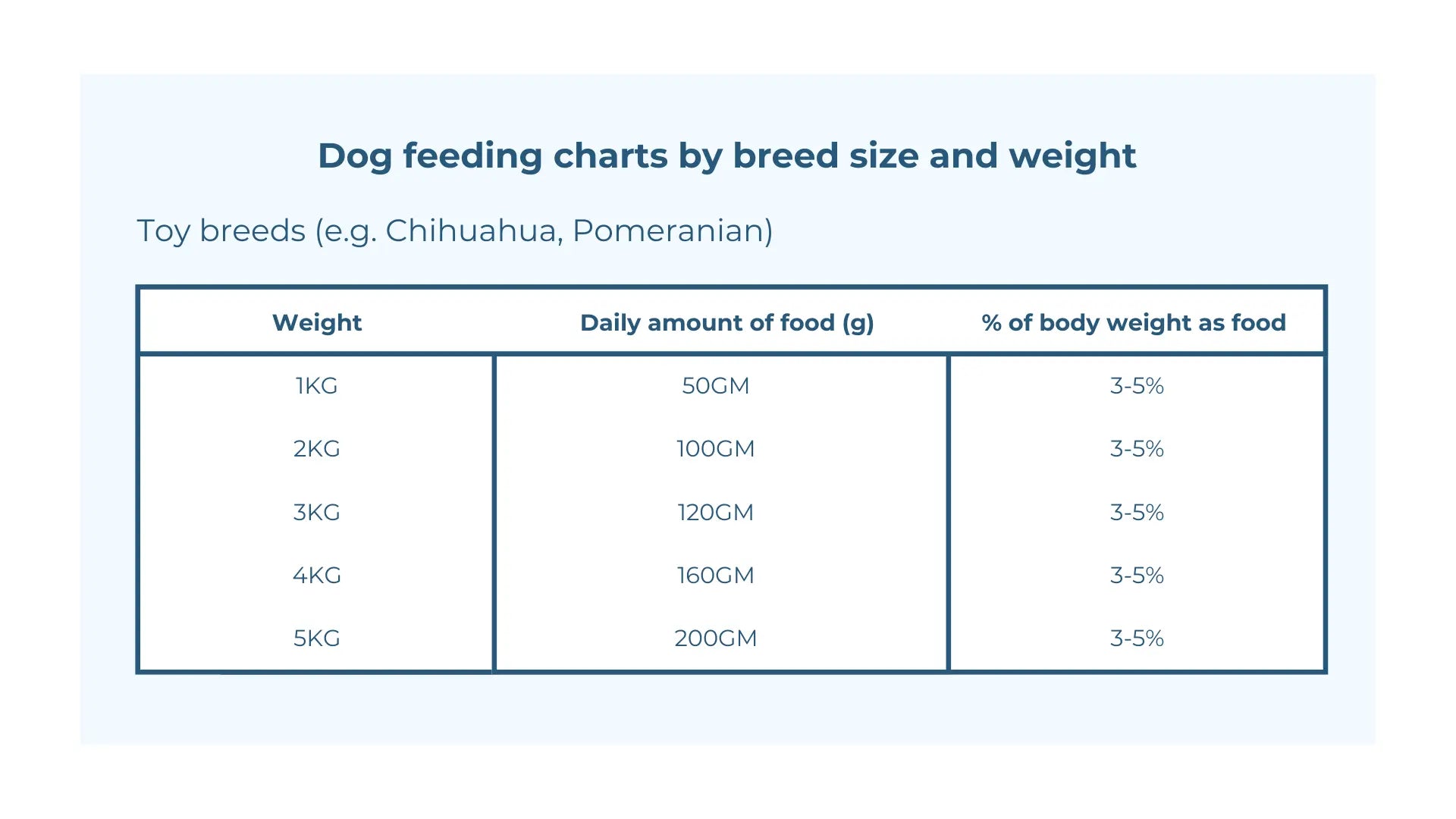
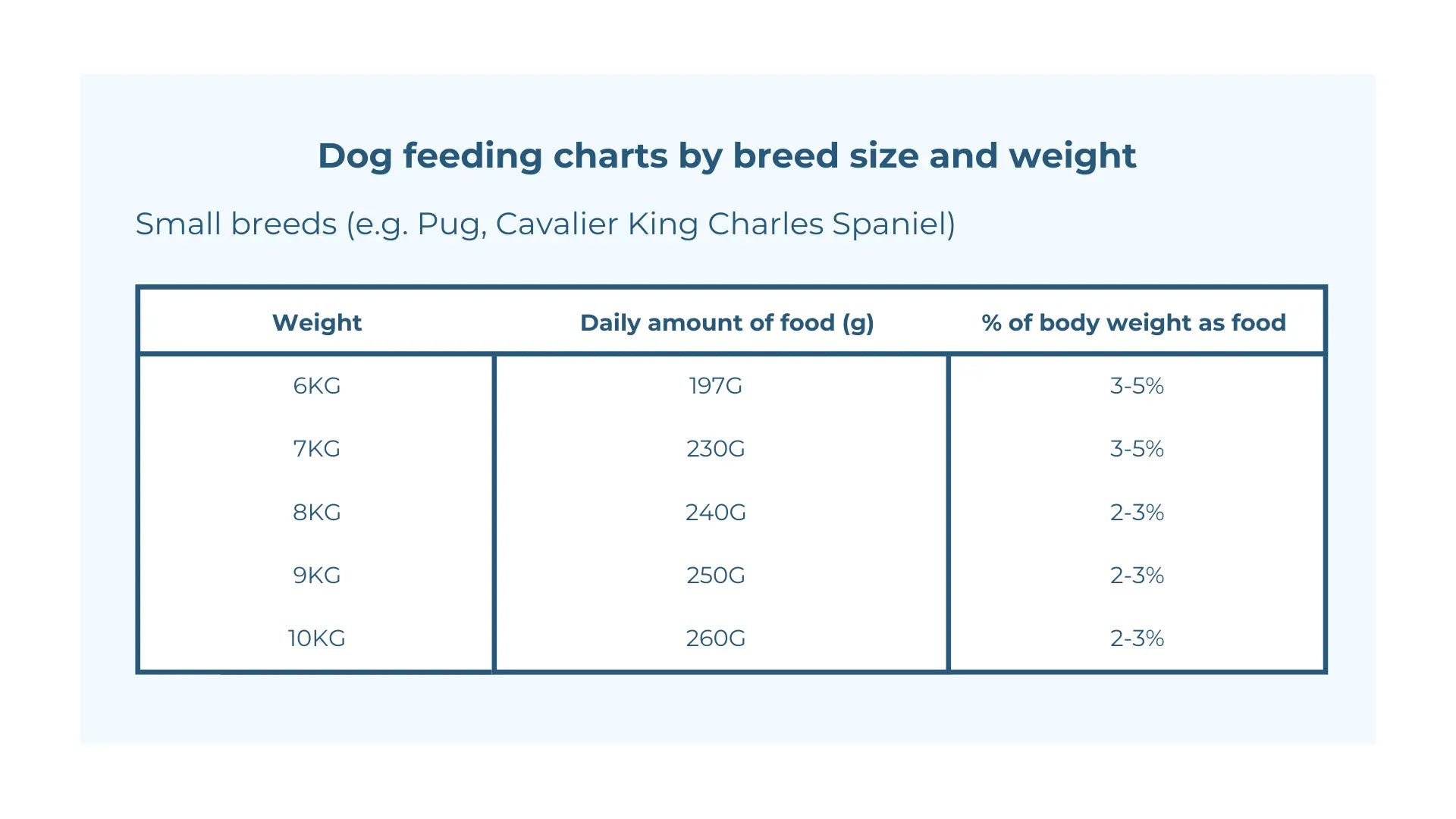
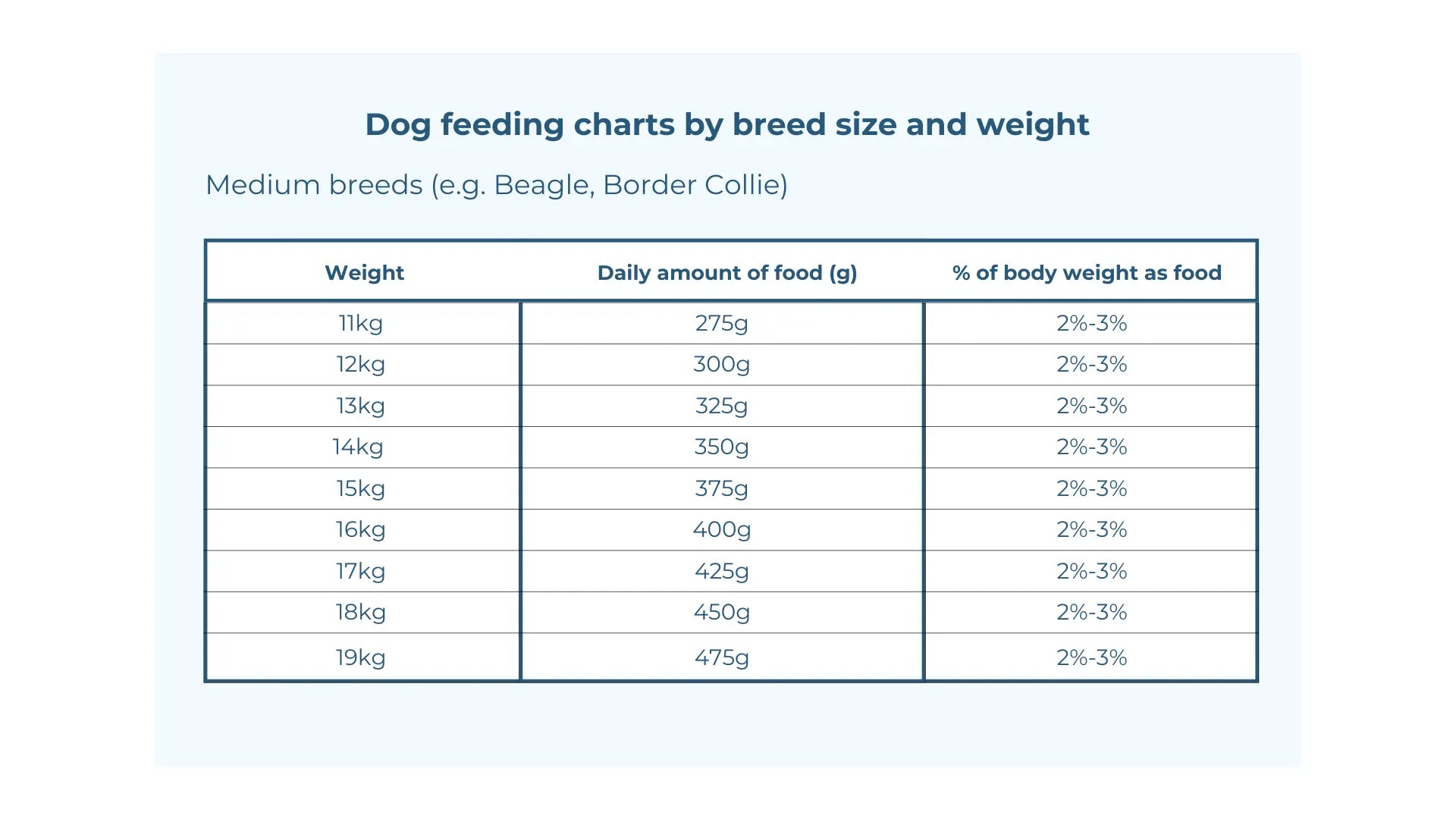
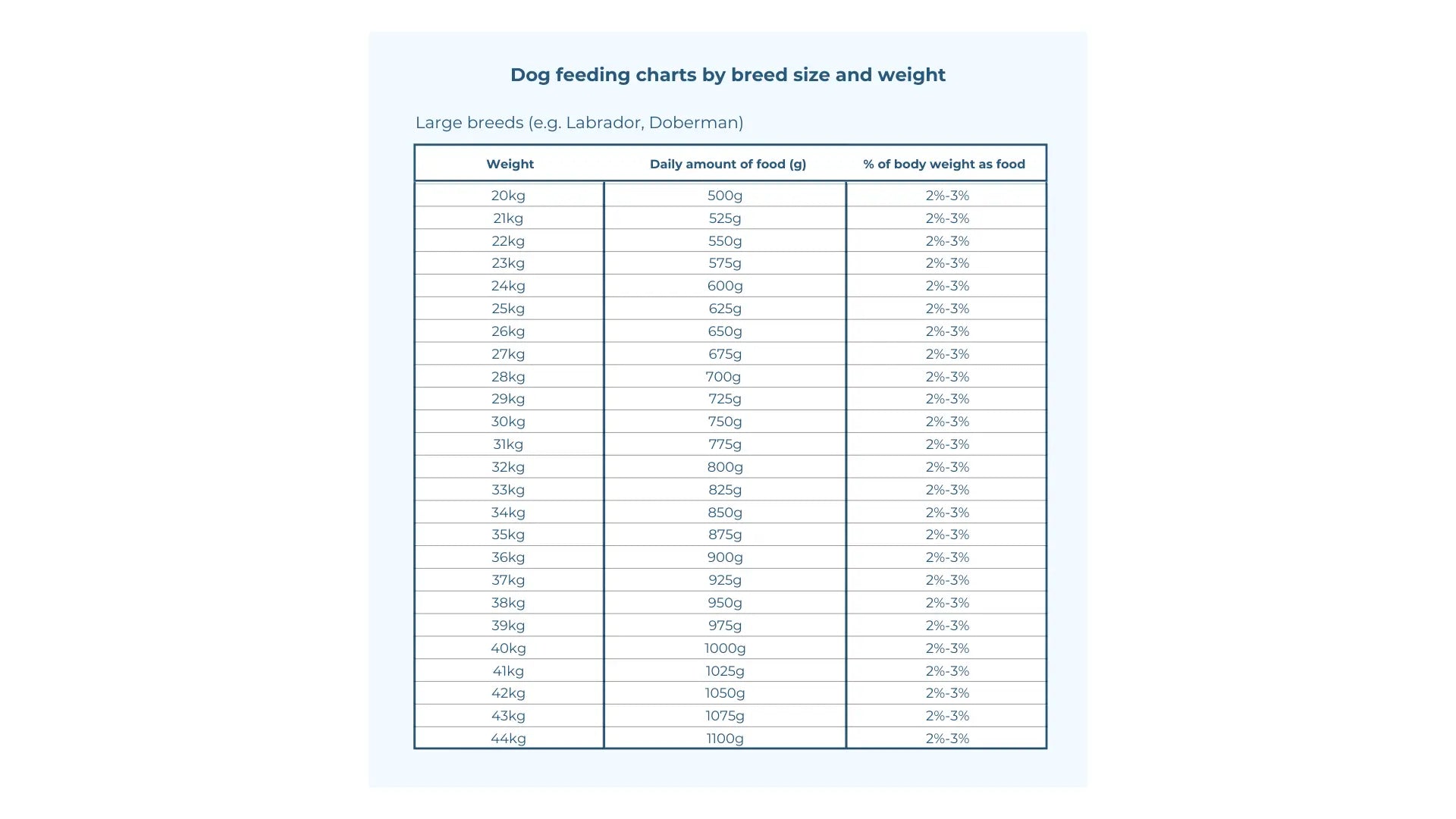
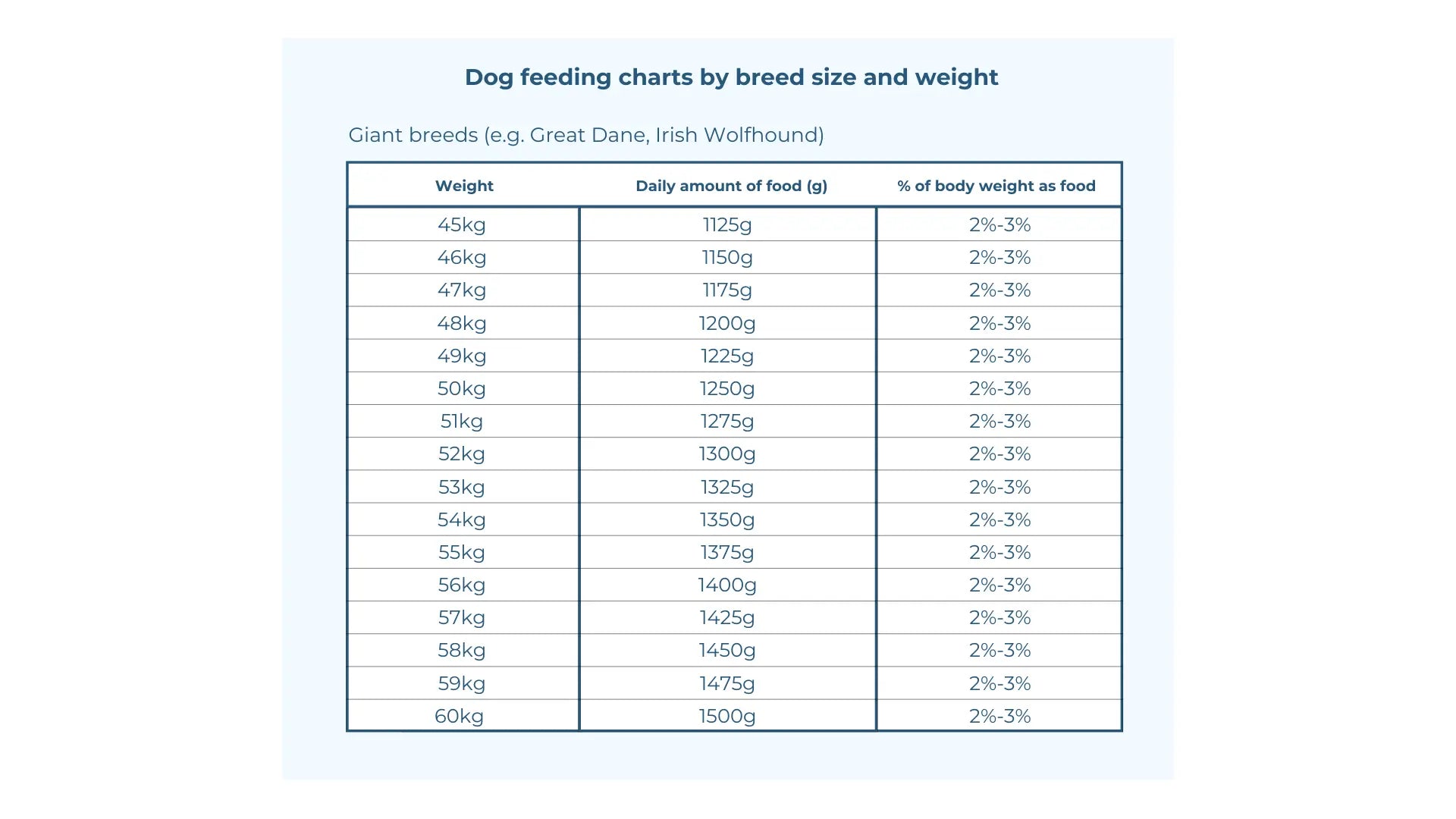
Next, calculate your dog’s daily food needs. Adult dogs eat about 2 to 3 percent of their body
weight per day. Then, stock up on quality proteins, secreting organs, and raw meaty bones.
Proper prep makes the change smoother for both you and your pet.
Week-by-Week Process of Transitioning to Raw Dog Food
Transitioning to Raw Dog Food works best when paced over four to six weeks. Start with one
simple protein like chicken in week one. Feed boneless meat with about 10 percent raw meaty
bone added in. Then, watch your dog’s stool and energy levels daily.
In week two, slowly introduce a second protein such as turkey. Next, in week three, add small
amounts of liver and another secreting organ. By week four, you can rotate proteins and offer
varied whole foods. Take it slow and let your dog set the pace.
Selecting Proteins for Transitioning to Raw Dog Food
Quality protein is the heart of Transitioning to Raw Dog Food. Choose unenhanced, additive-
free meats from trusted butchers or raw food suppliers. In addition, avoid grocery meats injected
with sodium or flavor solutions.
Common safe options include chicken, turkey, beef, lamb, duck, and rabbit. Rotate proteins
gradually to build digestive tolerance and steady balance. However, introduce only one new
protein at a time during early weeks. Sensitive stomachs may need extra time with each new
meat.
Including Bones While Transitioning to Raw Dog Food
Raw meaty bones are essential when Transitioning to Raw Dog Food. They provide calcium,
phosphorus, and natural dental care for your dog. Therefore, aim for around 10 percent edible
bone content in the daily diet.
Choose appropriate bones based on your dog’s size and chewing style. Small dogs do well with
chicken necks, quail, or rabbit pieces. Larger dogs can handle turkey necks, duck frames, or
pork ribs. Avoid weight-bearing bones from cows, bison, or deer; they can crack teeth.
Common Mistakes During Transitioning to Raw Dog Food
Many beginners stumble while Transitioning to Raw Dog Food. The most common mistake is
rushing the process and overwhelming the gut. In addition, feeding too much bone can cause
constipation.
Some owners also skip organs or over-supplement with multivitamins. Avoid both extremes for
a balanced and stress-free transition. Also, do not feed cooked or smoked bones, since they
splinter easily. Stick to one trusted source of advice to prevent confusion online.

Monitoring Your Dog When Transitioning to Raw Dog Food
While Transitioning to Raw Dog Food, watch your dog’s body closely. Stools, energy, weight,
and coat are clear health indicators. Firm, small stools usually mean a balanced bone-to-meat
ratio.
Loose stools often signal too little bone or too many new foods at once. Therefore, adjust the
diet step by step rather than all at once. Track meals in a simple log for at least a month. If
issues persist, contact a raw-friendly vet for tailored guidance.
Detoxification Process During Transitioning to Raw Dog Food
Detoxification is a natural part of Transitioning to Raw Dog Food. As your dog moves from
processed kibble to fresh meals, the body begins to clear out built-up additives and
preservatives. Therefore, mild detox symptoms during the first one to three weeks are usually
normal and expected.
Common detox signs include loose stools, mucus in stool, watery eyes, and mild ear discharge.
In addition, some dogs may show bad breath, dry skin flakes, or a brief drop in energy.
Furthermore, increased shedding can occur as the coat resets. These symptoms are short-term
and reflect the body’s cleanup, not a problem with the raw diet itself.
To support detoxification while Transitioning to Raw Dog Food, offer plenty of fresh water and
bone broth daily. Moreover, slow the transition pace if symptoms feel intense. Also, avoid over-
supplementing during this stage, since the body is already adjusting. However, if signs last
beyond three weeks or worsen, consult a raw-friendly vet right away.
LEARN MORE ABOUT INDIA'S NO.1 FRESH DOG FOOD
Start Fresh
FAQs About Transitioning to Raw Dog Food
Conclusion: Final Thoughts on Transitioning to Raw Dog Food
Transitioning to Raw Dog Food is a journey, not a race. Take your time, do your research, and trust the process. Indeed, each dog adjusts at a different pace, so patience is the real secret. With the right plan, your pup can enjoy lasting health and happiness on a raw diet. Start small, stay consistent, and celebrate every small win along the way.
Transitioning to Raw Dog Food is one of the most rewarding choices a pet parent can make today. Many dog owners now want fresh, biologically appropriate meals for their pets. However, the shift takes patience and a clear roadmap. This complete guide walks you through every step of Transitioning to Raw Dog Food safely and confidently.
Foundations of Transitioning to Raw Dog Food
Why Transitioning to Raw Dog Food Is Worth It
Many pet parents wonder why this diet shift is gaining popularity. Transitioning to Raw Dog
Food brings dogs closer to a natural, ancestral menu. Wild canines thrive on whole prey filled
with meat, bone, and organs. Therefore, mimicking that diet can boost your pet’s daily vitality.
Moreover, kibble often contains fillers, artificial flavors, and processed grains. A raw diet, by
contrast, offers fresh nutrients in their purest form. As a result, many dogs show better
digestion, energy, and coat quality.
Health Benefits of Transitioning to Raw Dog Food
Transitioning to Raw Dog Food can improve many aspects of canine wellness. Owners often
notice firmer stools, brighter eyes, and shinier fur within weeks. In addition, raw bones help
clean teeth naturally without harsh dental products.
Energy levels also rise as dogs absorb more nutrients from whole foods. Furthermore, allergies
and itchy skin often calm down on a fresh diet. A raw plan supports lean muscle, joint health,
and a strong immune system.
A Step-by-Step Plan for Transitioning to Raw Dog Food
Preparing Your Dog Before Transitioning to Raw Dog Food
Before Transitioning to Raw Dog Food, do thorough homework first. Read trusted guides, join
raw-feeding communities, and study safe sourcing. Additionally, talk to a holistic vet who
supports raw diets.
Next, calculate your dog’s daily food needs. Adult dogs eat about 2 to 3 percent of their body
weight per day. Then, stock up on quality proteins, secreting organs, and raw meaty bones.
Proper prep makes the change smoother for both you and your pet.
Week-by-Week Process of Transitioning to Raw Dog Food
Transitioning to Raw Dog Food works best when paced over four to six weeks. Start with one
simple protein like chicken in week one. Feed boneless meat with about 10 percent raw meaty
bone added in. Then, watch your dog’s stool and energy levels daily.
In week two, slowly introduce a second protein such as turkey. Next, in week three, add small
amounts of liver and another secreting organ. By week four, you can rotate proteins and offer
varied whole foods. Take it slow and let your dog set the pace.
Selecting Proteins for Transitioning to Raw Dog Food
Quality protein is the heart of Transitioning to Raw Dog Food. Choose unenhanced, additive-
free meats from trusted butchers or raw food suppliers. In addition, avoid grocery meats injected
with sodium or flavor solutions.
Common safe options include chicken, turkey, beef, lamb, duck, and rabbit. Rotate proteins
gradually to build digestive tolerance and steady balance. However, introduce only one new
protein at a time during early weeks. Sensitive stomachs may need extra time with each new
meat.
Including Bones While Transitioning to Raw Dog Food
Raw meaty bones are essential when Transitioning to Raw Dog Food. They provide calcium,
phosphorus, and natural dental care for your dog. Therefore, aim for around 10 percent edible
bone content in the daily diet.
Choose appropriate bones based on your dog’s size and chewing style. Small dogs do well with
chicken necks, quail, or rabbit pieces. Larger dogs can handle turkey necks, duck frames, or
pork ribs. Avoid weight-bearing bones from cows, bison, or deer; they can crack teeth.
Common Mistakes During Transitioning to Raw Dog Food
Many beginners stumble while Transitioning to Raw Dog Food. The most common mistake is
rushing the process and overwhelming the gut. In addition, feeding too much bone can cause
constipation.
Some owners also skip organs or over-supplement with multivitamins. Avoid both extremes for
a balanced and stress-free transition. Also, do not feed cooked or smoked bones, since they
splinter easily. Stick to one trusted source of advice to prevent confusion online.
Monitoring Your Dog When Transitioning to Raw Dog Food
While Transitioning to Raw Dog Food, watch your dog’s body closely. Stools, energy, weight,
and coat are clear health indicators. Firm, small stools usually mean a balanced bone-to-meat
ratio.
Loose stools often signal too little bone or too many new foods at once. Therefore, adjust the
diet step by step rather than all at once. Track meals in a simple log for at least a month. If
issues persist, contact a raw-friendly vet for tailored guidance.
Detoxification Process During Transitioning to Raw Dog Food
Detoxification is a natural part of Transitioning to Raw Dog Food. As your dog moves from
processed kibble to fresh meals, the body begins to clear out built-up additives and
preservatives. Therefore, mild detox symptoms during the first one to three weeks are usually
normal and expected.
Common detox signs include loose stools, mucus in stool, watery eyes, and mild ear discharge.
In addition, some dogs may show bad breath, dry skin flakes, or a brief drop in energy.
Furthermore, increased shedding can occur as the coat resets. These symptoms are short-term
and reflect the body’s cleanup, not a problem with the raw diet itself.
To support detoxification while Transitioning to Raw Dog Food, offer plenty of fresh water and
bone broth daily. Moreover, slow the transition pace if symptoms feel intense. Also, avoid over-
supplementing during this stage, since the body is already adjusting. However, if signs last
beyond three weeks or worsen, consult a raw-friendly vet right away.
LEARN MORE ABOUT INDIA'S NO.1 FRESH DOG FOOD
Start FreshFAQs About Transitioning to Raw Dog Food
Conclusion: Final Thoughts on Transitioning to Raw Dog Food
Transitioning to Raw Dog Food is a journey, not a race. Take your time, do your research, and trust the process. Indeed, each dog adjusts at a different pace, so patience is the real secret. With the right plan, your pup can enjoy lasting health and happiness on a raw diet. Start small, stay consistent, and celebrate every small win along the way.