Raw for Maximum Nutrition
Made in our own Kitchens
Human grade products
17 March 2026
Switching to Raw Dog Food: The Complete Step-by-Step Guide for a Healthier, Happier Dog
Safely switch your dog to a raw diet for better digestion, healthier skin, and improved overall wellbeing.

16 March 2026
Switching to Raw Dog Food: The Complete Step-by-Step Guide for a Healthier, Happier Dog
Safely switch your dog to a raw diet for better digestion, healthier skin, and improved overall wellbeing.
Table of contents
• What Is Raw Dog Food and Why Does It Matter?• The Key Benefits of Feeding Your Dog Raw Food• Switching to Raw Dog Food: When Is the Right Time? Starting Puppies on Raw Food• Switching Adult and Senior Dogs to Raw Food• Switching to Raw Dog Food: Three Proven Transition Methods• Essential Tips for a Successful Raw Feeding Transition• What to Expect When Switching to Raw Dog Food• Temporary challenges that may arise (and how to handle them):• Switching to Raw Dog Food: Choosing the Right Products• FAQ's: Switching to Raw Dog Food• Conclusion: Is Switching to Raw Dog Food Right for You?Table of contents
• What Is Raw Dog Food• Key Benefits of Feeding Raw• Switching to Raw Dog Food• Switching Adult and Seniors • Proven Transition Methods• Essential Tips for Transitioning• What to Expect When Switching• Temporary challenges • Choosing the Right Products• FAQ's: Switching to Raw• Conclusion: Is Raw Food Right?Switching to raw dog food can transform your dog’s health by supporting better digestion, healthier skin, and improved energy levels. A biologically appropriate raw diet mimics what dogs naturally eat and provides nutrient-dense, minimally processed nutrition. In this guide, we’ll explore how to safely transition your dog to raw food and what you need to know before making the switch.
What Is Raw Dog Food and Why Does It Matter?
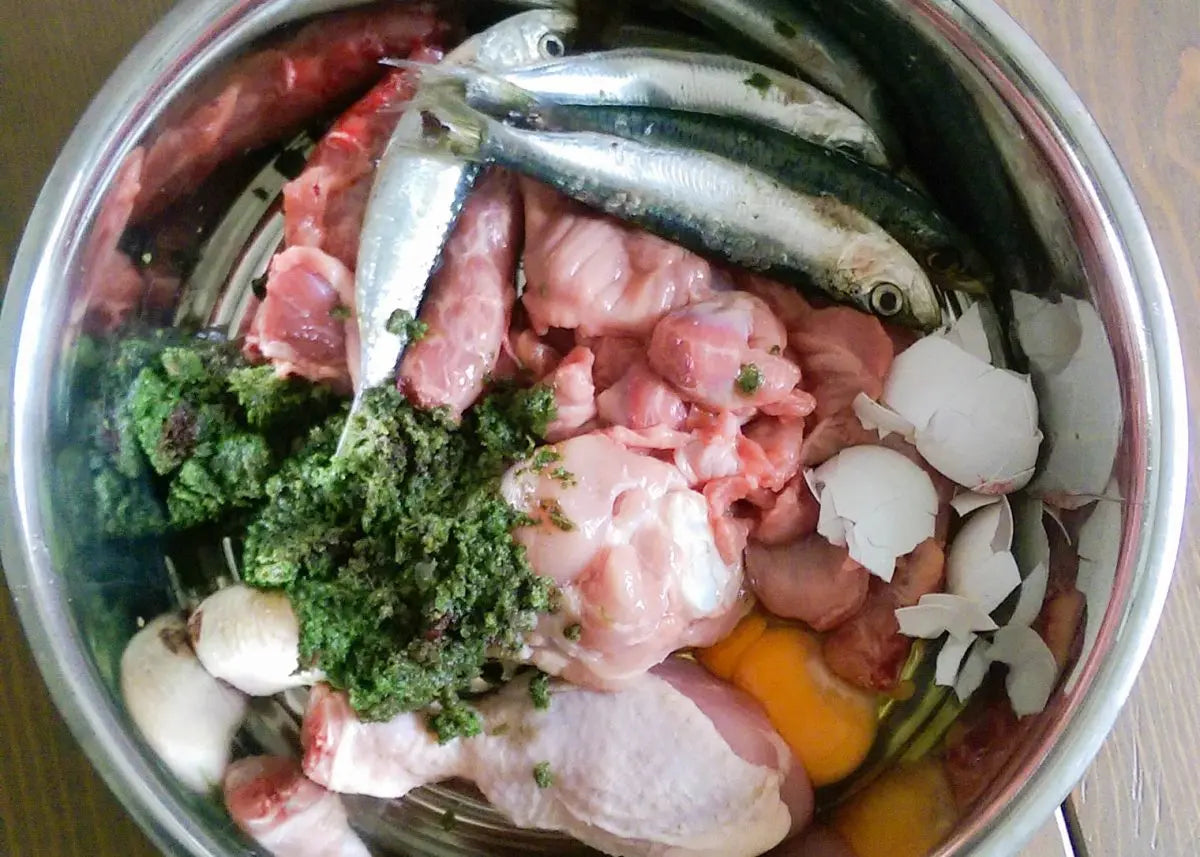
Raw dog food refers to a diet composed primarily of uncooked meat, organs, raw meaty
bones, and sometimes fruits and vegetables - mirroring what a dog's wild ancestors ate.
The most widely adopted framework is the BARF model (Biologically Appropriate Raw
Food), which aims to replicate this ancestral diet as closely as possible.
Unlike commercially processed kibble - which is typically cooked at extremely high
temperatures and packed with starchy fillers, artificial preservatives, and synthetic
vitamins - raw dog food delivers nutrition in its most bioavailable form. Natural
enzymes remain intact, proteins are easily digestible, and essential fatty acids are
preserved.
Advocates of raw feeding, including trusted providers like BARF India, emphasise that a
species-appropriate diet forms the foundation of long-term canine health. The science
supports this: research published in peer-reviewed veterinary journals confirms that
high-quality raw protein offers superior digestibility compared to heat-processed
alternatives.

The Key Benefits of Feeding Your Dog Raw Food
Pet owners who make the transition consistently report a cascade of positive changes.
Here are the most well-documented benefits of a raw diet:
• Firmer, smaller, less odorous stools: Because raw food is highly digestible,
your dog's body utilises far more of what it eats. The result: significantly less
waste output, and stools that are smaller, firmer, and far less pungent - often
within just 48 hours of switching.
• Healthier skin and a shinier coat: The natural fats and fatty acids present in
raw meat - particularly omega-3 and omega-6 - nourish the skin from within.
Most owners notice a marked improvement in coat lustre and reduced shedding
within a few months.
• Stronger teeth and fresher breath: Chewing raw meaty bones acts as a natural
toothbrush, scraping away plaque and tartar. Dental disease is one of the most
common health issues in dogs; raw feeding significantly reduces its incidence.
• Balanced energy and improved focus: Without the blood-sugar spikes and
crashes caused by carbohydrate-heavy kibble, raw-fed dogs often display steadier
energy levels. Many owners of previously 'hyperactive' dogs report calmer, more
focused behaviour.
• A more robust immune system: A diverse, nutritionally dense diet supports a
richer gut microbiome - the cornerstone of a healthy immune response. Reduced
inflammation, fewer allergies, and better disease resistance are commonly
reported outcomes.
• Healthy weight management: With no unnecessary fillers or empty
carbohydrate calories, it is far easier to maintain an ideal body weight on a raw
diet. You feed to your dog's lean body mass, not a one-size-fits-all guideline.
• Better hydration: Raw food has a naturally high moisture content, which
supports kidney function and overall cellular health - particularly important in
warm climates like much of India.
Switching to Raw Dog Food: When Is the Right Time?
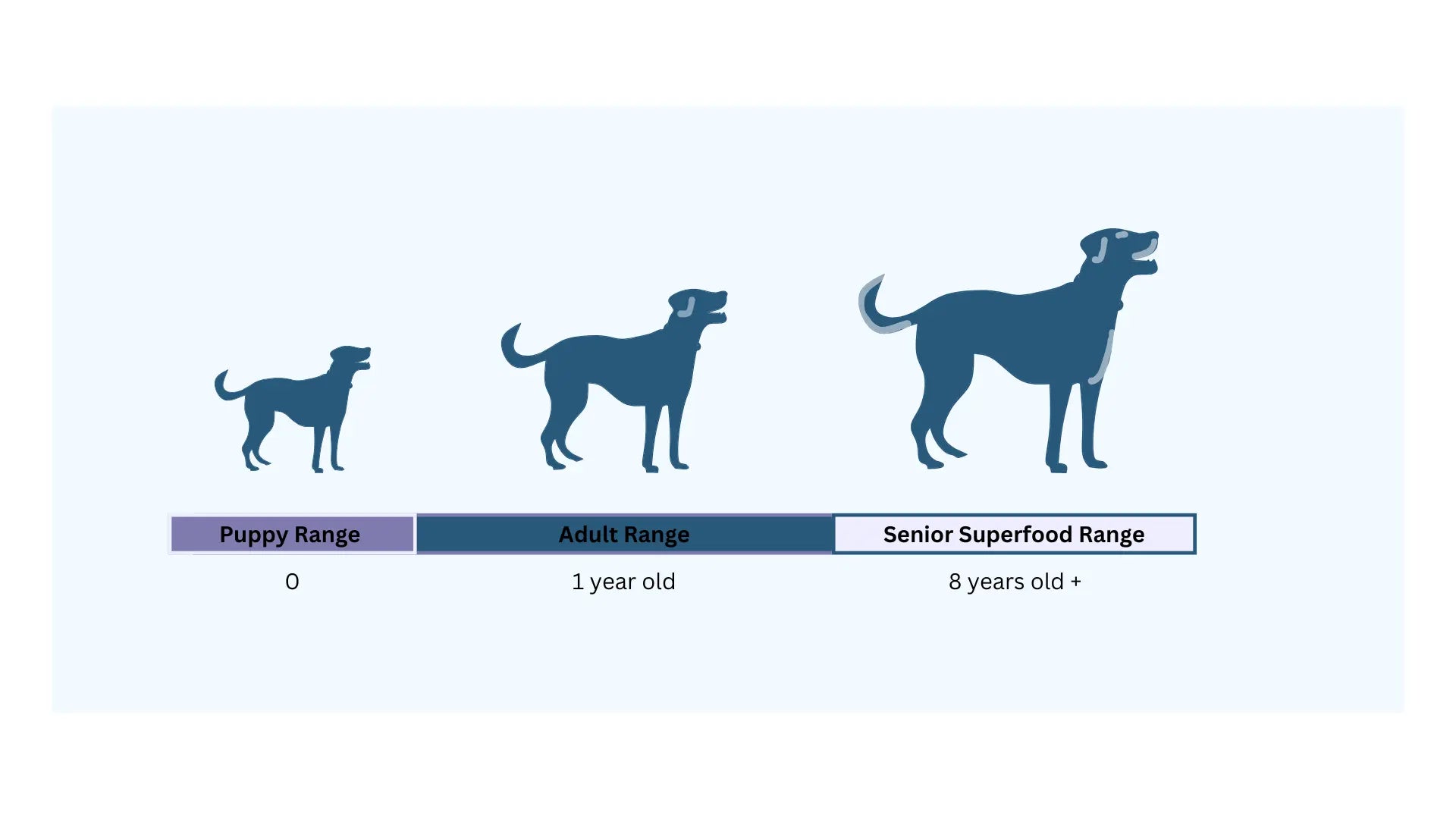
One of the most reassuring truths about raw feeding is that there is no 'wrong' time to start. Dogs of every age - playful puppies, busy adults, and seniors with grey muzzles - can all benefit from switching to raw dog food. Age is not a barrier; biology is not a barrier. Your dog's digestive system is designed for raw food.
Starting Puppies on Raw Food
Puppies can begin eating raw food from the moment they are weaned, typically at
around four weeks of age. Starting early means the digestive system is exposed to raw
protein from the very beginning, which can reduce the likelihood of food sensitivities
later in life. Puppies generally transition with remarkable ease - their gut microbiome
adapts quickly, and many take to raw food immediately with enthusiasm.
Feeding amounts for puppies should be calculated as a percentage of their expected
adult weight, and meals should be divided into three to four smaller portions per day to
support steady growth without overburdening the digestive system.

Switching Adult and Senior Dogs to Raw Food
Adult dogs - even those who have been eating kibble for many years - can transition
successfully to raw food. The gut microbiome is adaptive; with a thoughtful transition
approach, the vast majority of adult dogs adjust within two weeks. The benefits are no
less significant than those seen in puppies: improved coat condition, better stools,
renewed energy, and healthier teeth.
Senior dogs often see the most dramatic transformations. Joint inflammation can
decrease as inflammatory dietary components are removed; energy levels improve; and
the kidneys and liver - organs under pressure from years of processing synthetic
additives - benefit from the reduced chemical load of a clean, natural diet.
Important note: If your dog has a diagnosed health condition such as diabetes,
pancreatitis, kidney disease, or liver issues, always consult your veterinarian before
switching. Many vets experienced in raw feeding - including integrative vets and those
affiliated with specialist raw nutrition providers - will help you design a transitional
plan that is safe and appropriate for your dog's specific needs.
Switching to Raw Dog Food: Three Proven Transition Methods
There is no single 'correct' way to transition your dog to raw food. What matters is
choosing an approach that suits your individual dog's temperament, digestive
sensitivity, and previous diet. Below are the three most effective methods, ranging from
the simplest to the most gradual.
Method 1: The Straight Swap
The straight swap is exactly what it sounds like: you feed your dog a final meal of their
previous food one evening, and the very next morning they eat raw. No mixing, no
gradual introduction - just a clean break.
This method works exceptionally well for the majority of dogs - industry data from raw
feeding specialists suggests that around 99% of dogs transition without any issues at all.
It is the simplest approach and works particularly well for dogs with robust digestive
systems, younger dogs, and those who are enthusiastic about new foods.
Key tip: Do not mix raw and kibble in the same meal. The two food types digest at
different speeds and require different stomach pH levels. Mixing them can cause
digestive upset. A clean switch is preferable.
Method 2: The Gradual Transition
For dogs that are sensitive to dietary change, prone to stomach upset, or simply cautious
about new foods, a phased approach can ease the transition. This is typically done over
four to seven days:
• Days 1–2: Feed 25% raw and 75% of the previous food
• Days 3–4: Feed 50% raw and 50% of the previous food
• Days 5–6: Feed 75% raw and 25% of the previous food
• Day 7 onwards: Feed 100% raw
Go at your dog's pace. If at any stage you notice loose stools or vomiting, slow down and
spend an extra day or two at the previous ratio before moving on.
Method 3: The Gentle Introduction (for Very Sensitive Dogs)
This method is specifically designed for dogs with chronic digestive issues, a history of
food intolerances, or those recovering from illness. It involves an intermediate step:
transitioning first to a bland, lightly cooked diet before introducing raw.
Start with foods like lightly scrambled egg (no milk), plain cooked chicken breast, white
fish, or turkey mince combined with a little mashed sweet potato or pureed pumpkin.
Adding bone broth to these meals provides additional gut support. Maintain this bland
diet for four to seven days, then begin incorporating raw food using the gradual
transition method described above.
This three-stage approach - previous food → bland cooked → raw - gives even the
most delicate digestive systems the time and support they need to adjust.

Essential Tips for a Successful Raw Feeding Transition
Beyond choosing your transition method, a few simple strategies can make the entire
process smoother for both you and your dog:
• Serve food at room temperature or slightly warm: Cold food straight from the
fridge can be less appealing and harder to digest. Add a small splash of warm
water or a little bone broth to bring the temperature up. Never microwave raw
food containing bones, as this can make them brittle and dangerous.
• Introduce one protein source at a time: If you suspect your dog may have food
sensitivities, introduce proteins one at a time over a week or two. Start with
milder, lower-fat proteins such as chicken, white fish, or turkey before
introducing richer options like beef, lamb, or duck.
• Keep a food diary: Track what you feed and note any reactions - loose stools,
itching, vomiting, or unusual lethargy. This information is invaluable if you need
to identify a specific intolerance.
• Use a probiotic during transition: A high-quality canine probiotic can support
the gut microbiome during the adjustment period, making the transition
smoother and reducing the risk of digestive upset.
• Set mealtimes up for success: Feed your dog in a calm, quiet space away from
heavy foot traffic. If your dog seems hesitant, try hand-feeding a small amount to
build positive associations with the new food.
• Store and handle raw food safely: Keep raw food frozen until needed. Defrost
in the refrigerator (allow roughly 24 hours per tub). Defrosted raw food will keep
in the fridge for up to four days. Wash hands, bowls, and surfaces after handling.
What to Expect When Switching to Raw Dog Food
Understanding what is normal during a raw food transition - both the positive signs
and the temporary challenges - will help you stay the course and feel confident in your
decision.
Positive changes you will likely notice:
• Better stools (firmer, smaller, less smelly) - often within 48 hours
• Reduced water consumption - raw food's high moisture content means dogs
need less
• Improved coat condition and reduced shedding - usually noticeable within 4–8
weeks
• Fresher breath and visibly cleaner teeth - within a few weeks
• More balanced energy levels and better focus
LEARN MORE ABOUT INDIA'S NO.1 FRESH DOG FOOD
Start Fresh
Temporary challenges that may arise (and how to handle them):
• Seeming hungrier than usual: Some dogs feel hungry in the early weeks as they
adapt to using fat and protein for energy instead of carbohydrates. This is normal
and typically settles within two to three weeks. You can slightly increase portion
size temporarily.
• Mild lethargy: A brief period of lower energy is common as your dog's
metabolism shifts. Think of it as a recalibration. It should resolve within one to
two weeks.
• Vomiting or 'transitional sickness': Some dogs experience brief nausea as their
gut adjusts. Warming the food slightly and serving smaller, more frequent meals
usually resolves this. A good probiotic supplement can also help.
• Yellow bile ('hunger pukes'): Typically seen in the morning, this is caused by an
empty stomach. Solution: give a small bedtime snack - a little of the raw food
kept aside, or a healthy treat.
• Temporary constipation: Occasionally occurs as the gut adjusts to a lower-fibre,
bone-containing diet. Add a small amount of mashed sweet potato or pureed
pumpkin to meals, and ensure adequate hydration.
Switching to Raw Dog Food: Choosing the Right Products
Not all raw dog food is equal. Choosing the right product from a reputable, trusted
supplier makes the difference between a diet that truly supports your dog's health and
one that falls short. Here is what to look for:
The 80-10-10 Rule and What a Balanced Raw Diet Looks Like
A well-formulated raw diet follows the 80-10-10 ratio as a foundational guideline: 80%
muscle meat, 10% secreting organs (including liver and kidney), and 10% raw meaty
bone. This ratio provides the protein, fat, essential minerals, and vitamins a dog needs
across all life stages.
Many raw feeding advocates extend this model with additions such as oily fish (an
excellent source of omega-3 fatty acids), eggs, leafy greens, and fermented foods to
create a richer nutritional profile. These additions are entirely optional but can enhance
the diet further - particularly for dogs with specific health goals.
When selecting a supplier, prioritise those who are transparent about sourcing, conduct
regular microbiological testing of their products, and formulate recipes in line with
established nutritional guidelines. Brands that specialise in BARF-model raw feeding -
including well-known raw food specialists in India such as BARF India - invest
significantly in quality control and nutritional completeness.

FAQ's: Switching to Raw Dog Food
Conclusion: Is Switching to Raw Dog Food Right for You?
Switching to raw dog food is one of the most impactful decisions you can make for your
dog's long-term health and wellbeing. The evidence - both scientific and anecdotal - is
compelling: better digestion, a more vibrant coat, stronger teeth, improved energy, and
a longer, healthier life.
The transition does not need to be complex. Whether you choose the straight swap, a
gradual phase-in, or the gentle introduction for sensitive dogs, the key is to start with a
quality product, pay attention to your individual dog's response, and adjust accordingly.
Millions of dogs around the world - from the hills of Scotland to the cities of India -
are thriving on raw diets. With trusted raw feeding specialists now widely accessible,
including options tailored to Indian pet owners, there has never been a better time to
make the switch.
Your dog cannot advocate for their own diet. But with the right information, you can -
and the results will speak for themselves.
If you’ve been searching for a healthier, fresher alternative to processed kibble, BARF India’s cooked cat food is the answer. Made from human-grade, preservative-free ingredients, it’s the closest you can get to homemade cat food — without the effort. Our sampler pack is perfect for finicky cats, giving them a chance to explore every recipe and find their favourite.
What Is Raw Dog Food and Why Does It Matter?
Raw dog food refers to a diet composed primarily of uncooked meat, organs, raw meaty
bones, and sometimes fruits and vegetables - mirroring what a dog's wild ancestors ate.
The most widely adopted framework is the BARF model (Biologically Appropriate Raw
Food), which aims to replicate this ancestral diet as closely as possible.
Unlike commercially processed kibble - which is typically cooked at extremely high
temperatures and packed with starchy fillers, artificial preservatives, and synthetic
vitamins - raw dog food delivers nutrition in its most bioavailable form. Natural
enzymes remain intact, proteins are easily digestible, and essential fatty acids are
preserved.
Advocates of raw feeding, including trusted providers like BARF India, emphasise that a
species-appropriate diet forms the foundation of long-term canine health. The science
supports this: research published in peer-reviewed veterinary journals confirms that
high-quality raw protein offers superior digestibility compared to heat-processed
alternatives.
The Key Benefits of Feeding Your Dog Raw Food
Pet owners who make the transition consistently report a cascade of positive changes.
Here are the most well-documented benefits of a raw diet:
• Firmer, smaller, less odorous stools: Because raw food is highly digestible,
your dog's body utilises far more of what it eats. The result: significantly less
waste output, and stools that are smaller, firmer, and far less pungent - often
within just 48 hours of switching.
• Healthier skin and a shinier coat: The natural fats and fatty acids present in
raw meat - particularly omega-3 and omega-6 - nourish the skin from within.
Most owners notice a marked improvement in coat lustre and reduced shedding
within a few months.
• Stronger teeth and fresher breath: Chewing raw meaty bones acts as a natural
toothbrush, scraping away plaque and tartar. Dental disease is one of the most
common health issues in dogs; raw feeding significantly reduces its incidence.
• Balanced energy and improved focus: Without the blood-sugar spikes and
crashes caused by carbohydrate-heavy kibble, raw-fed dogs often display steadier
energy levels. Many owners of previously 'hyperactive' dogs report calmer, more
focused behaviour.
• A more robust immune system: A diverse, nutritionally dense diet supports a
richer gut microbiome - the cornerstone of a healthy immune response. Reduced
inflammation, fewer allergies, and better disease resistance are commonly
reported outcomes.
• Healthy weight management: With no unnecessary fillers or empty
carbohydrate calories, it is far easier to maintain an ideal body weight on a raw
diet. You feed to your dog's lean body mass, not a one-size-fits-all guideline.
• Better hydration: Raw food has a naturally high moisture content, which
supports kidney function and overall cellular health - particularly important in
warm climates like much of India.
Switching to Raw Dog Food: When Is the Right Time?
One of the most reassuring truths about raw feeding is that there is no 'wrong' time to start. Dogs of every age - playful puppies, busy adults, and seniors with grey muzzles - can all benefit from switching to raw dog food. Age is not a barrier; biology is not a barrier. Your dog's digestive system is designed for raw food.
Starting Puppies on Raw Food
Puppies can begin eating raw food from the moment they are weaned, typically at
around four weeks of age. Starting early means the digestive system is exposed to raw
protein from the very beginning, which can reduce the likelihood of food sensitivities
later in life. Puppies generally transition with remarkable ease - their gut microbiome
adapts quickly, and many take to raw food immediately with enthusiasm.
Feeding amounts for puppies should be calculated as a percentage of their expected
adult weight, and meals should be divided into three to four smaller portions per day to
support steady growth without overburdening the digestive system.
Switching Adult and Senior Dogs to Raw Food
Adult dogs - even those who have been eating kibble for many years - can transition
successfully to raw food. The gut microbiome is adaptive; with a thoughtful transition
approach, the vast majority of adult dogs adjust within two weeks. The benefits are no
less significant than those seen in puppies: improved coat condition, better stools,
renewed energy, and healthier teeth.
Senior dogs often see the most dramatic transformations. Joint inflammation can
decrease as inflammatory dietary components are removed; energy levels improve; and
the kidneys and liver - organs under pressure from years of processing synthetic
additives - benefit from the reduced chemical load of a clean, natural diet.
Important note: If your dog has a diagnosed health condition such as diabetes,
pancreatitis, kidney disease, or liver issues, always consult your veterinarian before
switching. Many vets experienced in raw feeding - including integrative vets and those
affiliated with specialist raw nutrition providers - will help you design a transitional
plan that is safe and appropriate for your dog's specific needs.
Switching to Raw Dog Food: Three Proven Transition Methods
There is no single 'correct' way to transition your dog to raw food. What matters is
choosing an approach that suits your individual dog's temperament, digestive
sensitivity, and previous diet. Below are the three most effective methods, ranging from
the simplest to the most gradual.
Method 1: The Straight Swap
The straight swap is exactly what it sounds like: you feed your dog a final meal of their
previous food one evening, and the very next morning they eat raw. No mixing, no
gradual introduction - just a clean break.
This method works exceptionally well for the majority of dogs - industry data from raw
feeding specialists suggests that around 99% of dogs transition without any issues at all.
It is the simplest approach and works particularly well for dogs with robust digestive
systems, younger dogs, and those who are enthusiastic about new foods.
Key tip: Do not mix raw and kibble in the same meal. The two food types digest at
different speeds and require different stomach pH levels. Mixing them can cause
digestive upset. A clean switch is preferable.
Method 2: The Gradual Transition
For dogs that are sensitive to dietary change, prone to stomach upset, or simply cautious
about new foods, a phased approach can ease the transition. This is typically done over
four to seven days:
• Days 1–2: Feed 25% raw and 75% of the previous food
• Days 3–4: Feed 50% raw and 50% of the previous food
• Days 5–6: Feed 75% raw and 25% of the previous food
• Day 7 onwards: Feed 100% raw
Go at your dog's pace. If at any stage you notice loose stools or vomiting, slow down and
spend an extra day or two at the previous ratio before moving on.
Method 3: The Gentle Introduction (for Very Sensitive Dogs)
This method is specifically designed for dogs with chronic digestive issues, a history of
food intolerances, or those recovering from illness. It involves an intermediate step:
transitioning first to a bland, lightly cooked diet before introducing raw.
Start with foods like lightly scrambled egg (no milk), plain cooked chicken breast, white
fish, or turkey mince combined with a little mashed sweet potato or pureed pumpkin.
Adding bone broth to these meals provides additional gut support. Maintain this bland
diet for four to seven days, then begin incorporating raw food using the gradual
transition method described above.
This three-stage approach - previous food → bland cooked → raw - gives even the
most delicate digestive systems the time and support they need to adjust.
Essential Tips for a Successful Raw Feeding Transition
Beyond choosing your transition method, a few simple strategies can make the entire
process smoother for both you and your dog:
• Serve food at room temperature or slightly warm: Cold food straight from the
fridge can be less appealing and harder to digest. Add a small splash of warm
water or a little bone broth to bring the temperature up. Never microwave raw
food containing bones, as this can make them brittle and dangerous.
• Introduce one protein source at a time: If you suspect your dog may have food
sensitivities, introduce proteins one at a time over a week or two. Start with
milder, lower-fat proteins such as chicken, white fish, or turkey before
introducing richer options like beef, lamb, or duck.
• Keep a food diary: Track what you feed and note any reactions - loose stools,
itching, vomiting, or unusual lethargy. This information is invaluable if you need
to identify a specific intolerance.
• Use a probiotic during transition: A high-quality canine probiotic can support
the gut microbiome during the adjustment period, making the transition
smoother and reducing the risk of digestive upset.
• Set mealtimes up for success: Feed your dog in a calm, quiet space away from
heavy foot traffic. If your dog seems hesitant, try hand-feeding a small amount to
build positive associations with the new food.
• Store and handle raw food safely: Keep raw food frozen until needed. Defrost
in the refrigerator (allow roughly 24 hours per tub). Defrosted raw food will keep
in the fridge for up to four days. Wash hands, bowls, and surfaces after handling.
What to Expect When Switching to Raw Dog Food
Understanding what is normal during a raw food transition - both the positive signs
and the temporary challenges - will help you stay the course and feel confident in your
decision.
Positive changes you will likely notice:
• Better stools (firmer, smaller, less smelly) - often within 48 hours
• Reduced water consumption - raw food's high moisture content means dogs
need less
• Improved coat condition and reduced shedding - usually noticeable within 4–8
weeks
• Fresher breath and visibly cleaner teeth - within a few weeks
• More balanced energy levels and better focus
LEARN MORE ABOUT INDIA'S NO.1 FRESH DOG FOOD
Start Fresh
Temporary challenges that may arise (and how to handle them):
• Seeming hungrier than usual: Some dogs feel hungry in the early weeks as they
adapt to using fat and protein for energy instead of carbohydrates. This is normal
and typically settles within two to three weeks. You can slightly increase portion
size temporarily.
• Mild lethargy: A brief period of lower energy is common as your dog's
metabolism shifts. Think of it as a recalibration. It should resolve within one to
two weeks.
• Vomiting or 'transitional sickness': Some dogs experience brief nausea as their
gut adjusts. Warming the food slightly and serving smaller, more frequent meals
usually resolves this. A good probiotic supplement can also help.
• Yellow bile ('hunger pukes'): Typically seen in the morning, this is caused by an
empty stomach. Solution: give a small bedtime snack - a little of the raw food
kept aside, or a healthy treat.
• Temporary constipation: Occasionally occurs as the gut adjusts to a lower-fibre,
bone-containing diet. Add a small amount of mashed sweet potato or pureed
pumpkin to meals, and ensure adequate hydration.
Switching to Raw Dog Food: Choosing the Right Products
Not all raw dog food is equal. Choosing the right product from a reputable, trusted
supplier makes the difference between a diet that truly supports your dog's health and
one that falls short. Here is what to look for:
The 80-10-10 Rule and What a Balanced Raw Diet Looks Like
A well-formulated raw diet follows the 80-10-10 ratio as a foundational guideline: 80%
muscle meat, 10% secreting organs (including liver and kidney), and 10% raw meaty
bone. This ratio provides the protein, fat, essential minerals, and vitamins a dog needs
across all life stages.
Many raw feeding advocates extend this model with additions such as oily fish (an
excellent source of omega-3 fatty acids), eggs, leafy greens, and fermented foods to
create a richer nutritional profile. These additions are entirely optional but can enhance
the diet further - particularly for dogs with specific health goals.
When selecting a supplier, prioritise those who are transparent about sourcing, conduct
regular microbiological testing of their products, and formulate recipes in line with
established nutritional guidelines. Brands that specialise in BARF-model raw feeding -
including well-known raw food specialists in India such as BARF India - invest
significantly in quality control and nutritional completeness.
FAQ's: Switching to Raw Dog Food
Conclusion: Is Switching to Raw Dog Food Right for You?
Switching to raw dog food is one of the most impactful decisions you can make for your
dog's long-term health and wellbeing. The evidence - both scientific and anecdotal - is
compelling: better digestion, a more vibrant coat, stronger teeth, improved energy, and
a longer, healthier life.
The transition does not need to be complex. Whether you choose the straight swap, a
gradual phase-in, or the gentle introduction for sensitive dogs, the key is to start with a
quality product, pay attention to your individual dog's response, and adjust accordingly.
Millions of dogs around the world - from the hills of Scotland to the cities of India -
are thriving on raw diets. With trusted raw feeding specialists now widely accessible,
including options tailored to Indian pet owners, there has never been a better time to
make the switch.
Your dog cannot advocate for their own diet. But with the right information, you can -
and the results will speak for themselves.