Raw for Maximum Nutrition
Made in our own Kitchens
Human grade products
18 March 2026
KIBBLE VS RAW FOOD FOR DOGS : The Complete 2026 Canine Nutrition Guide

18 March 2026
KIBBLE VS RAW FOOD FOR DOGS : The Complete 2026 Canine Nutrition Guide
Table of contents
• Introduction: The Kibble vs Raw Food Debate• What Is Kibble? A Closer Look at Dry Dog Food• What Is Raw Food? Understanding the Raw Diet for Dogs• Kibble vs Raw Food: Nutritional Comparison• Kibble vs Raw Food: Safety Considerations• Cost and Convenience Compared• Health Outcomes: What the Research Says• How to Choose Between Kibble and Raw Food• FAQ's: Kibble vs Raw Food• ConclusionTable of contents
• The Kibble vs Raw Food Debate• What Is Kibble? A Closer Look.• What Is Raw Food? • Kibble vs Raw Food: Comparison• Kibble vs Raw Food: Safety Issue• Cost and Convenience Compared• The Health Outcomes: • The Choice: Kibble or Raw• FAQ's: Kibble vs Raw Food• ConclusionKibble vs Raw Food is one of the most debated choices in modern pet nutrition, with strong opinions on both sides. While kibble offers convenience and balanced formulation, raw feeding promises a more natural, biologically appropriate diet. Understanding the pros, risks, and real impact of each can help you make the best choice for your dog’s long-term health.
Kibble vs Raw Food: The Debate Every Dog Owner Faces
Kibble vs Raw Food - it's one of the most debated topics in canine nutrition today. If you're a dog
owner trying to do right by your four-legged companion, you've almost certainly found yourself
caught in the middle of this discussion. Both sides make compelling arguments, and the stakes feel
high.
The truth is, there is no single universally correct answer. The best diet for a dog depends on its age,
breed, health status, your budget, and your lifestyle. What this guide offers is a fully researched,
honest, and detailed breakdown of both options - so you can make a confident, informed decision.
In this article, we cover what kibble and raw food actually are, compare their nutritional profiles,
examine the research on health outcomes, address safety concerns, explore the real costs involved,
and give you a practical framework for making the best choice for your dog.

Kibble vs Raw Food: What Is Kibble?
Kibble - also known as dry dog food - is the most popular commercial dog food in the world. It
is a processed dry dog food made from a blend of meat, grains (or grain-free alternatives), legumes,
fruits, vegetables, and fortified vitamins and minerals. The production method involves mixing these
ingredients, cooking them at high temperatures through a process called extrusion, and forming
them into uniform bite-sized pellets.
How Kibble Became the World's Default Dog Food
Kibble has been the dominant form of dog food for decades, with its origins dating back to the mid-
20th century. The first commercial dry dog food was introduced in the 1950s, gaining rapid
popularity due to its convenience and affordability. Today, it has evolved significantly, with premium
brands formulating recipes based on veterinary science and nutritional research.
What Ingredients Are Required in Dry Kibble Dog Food?
Required ingredients include protein sources such as beef, poultry, fish, and eggs; grains; cereals; and
vitamins, minerals, and antioxidants. All dry dog foods need preservatives to prevent the fat from
becoming rancid. The quality of those preservatives and the overall ingredient sourcing is what
separates a premium kibble from a budget one.
Types of Kibble: Cold-Pressed vs Extruded Dry Dog Food
Not all kibble is created equal. Beyond standard extruded kibble, cold-pressed varieties are produced
at lower temperatures, allowing natural ingredients to retain more of their nutritional value, flavor,
aroma, and essential vitamins. Cold-pressed kibble is increasingly viewed as a nutritional step up
from conventional extruded dry food.
Pros and Cons of Kibble Dry Food

Kibble vs Raw Food: What Is a Raw Dog Food Diet?
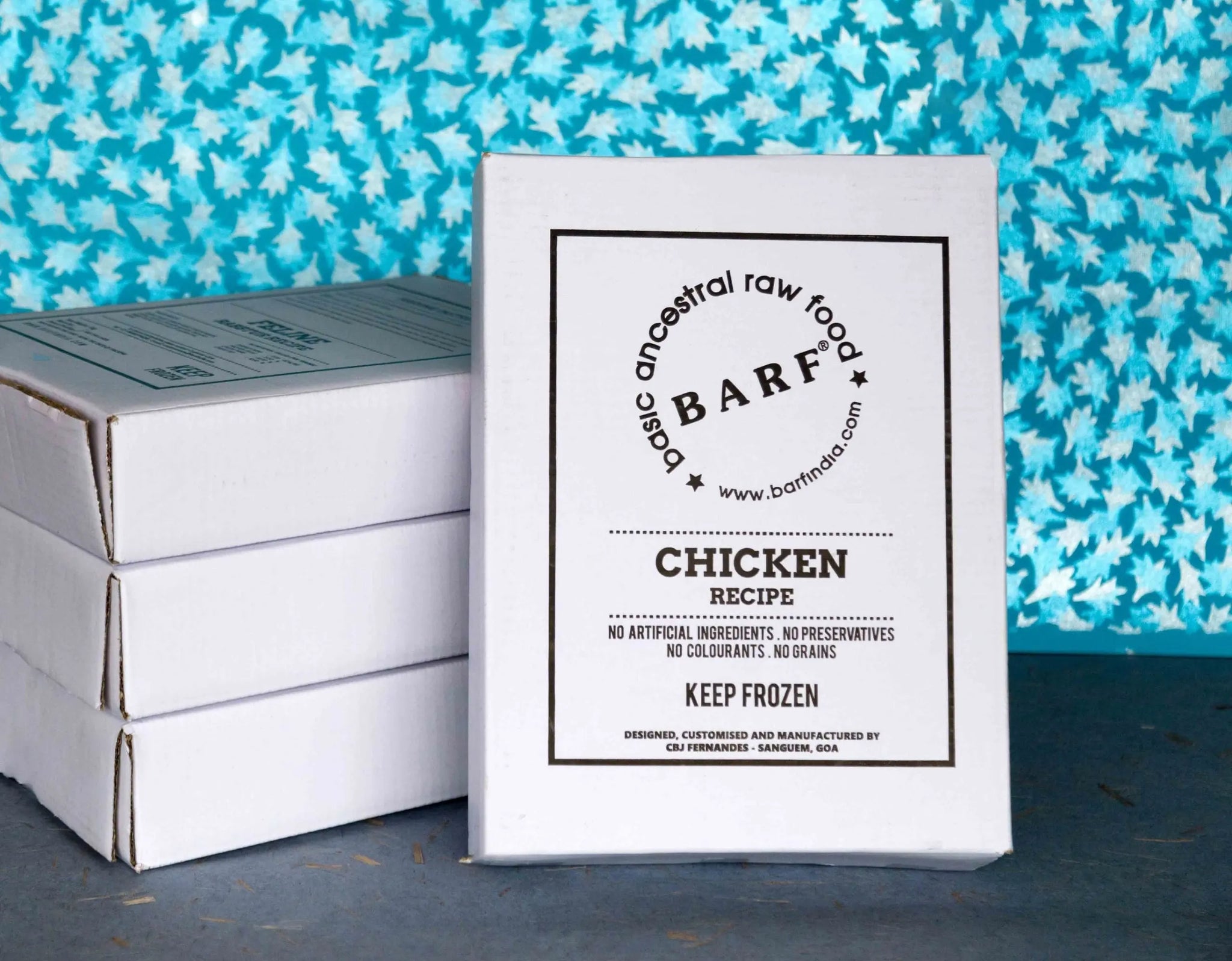
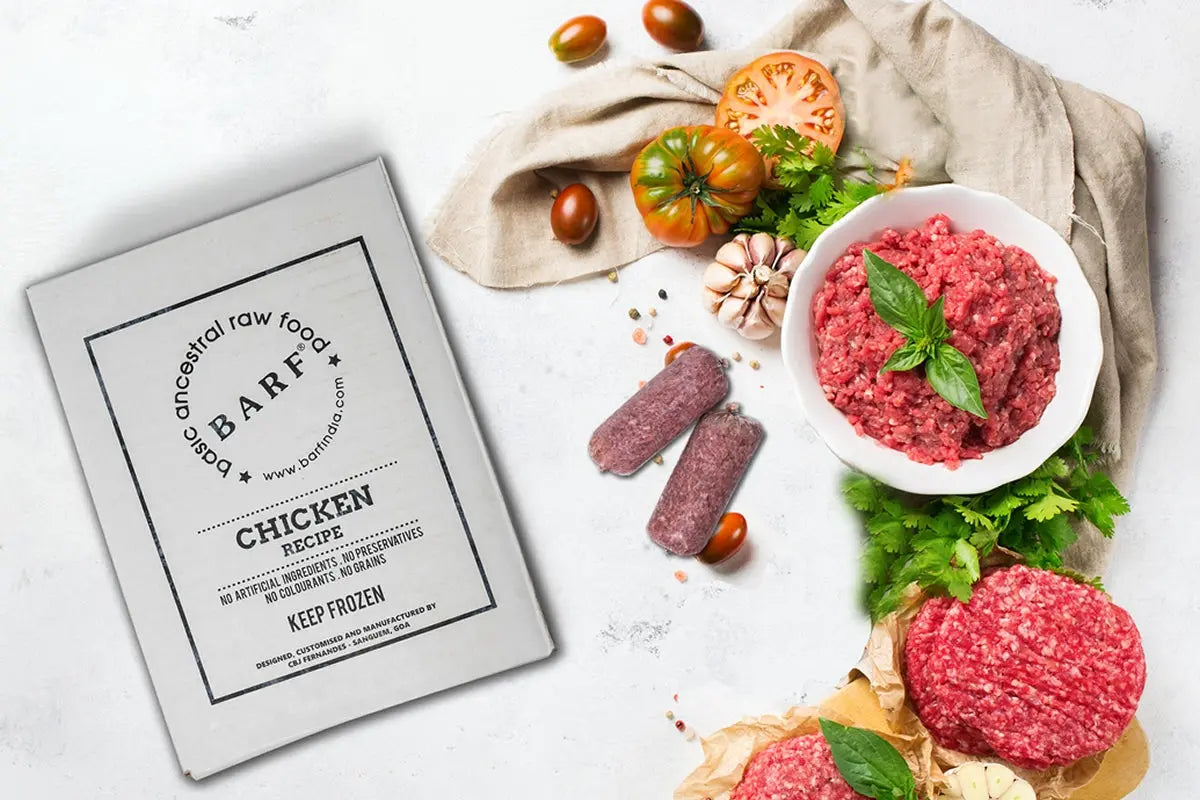
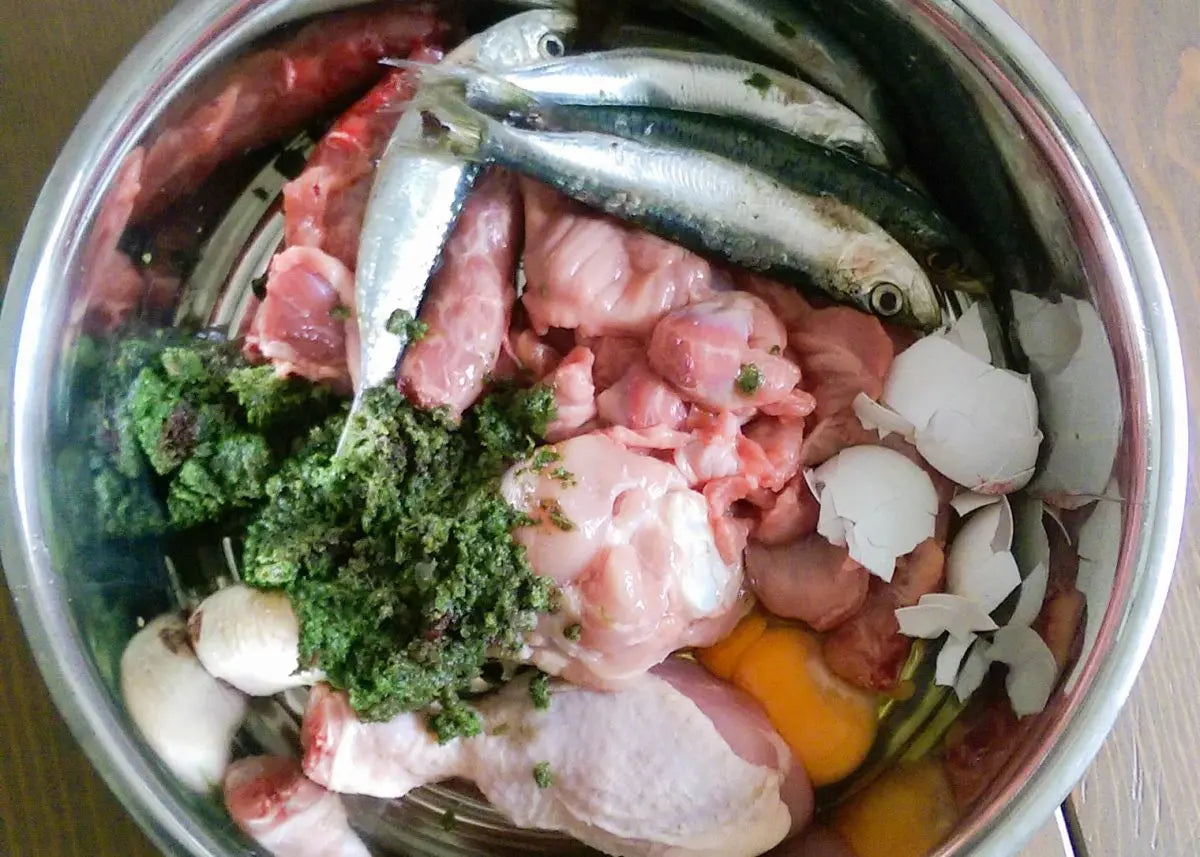
A raw food diet for dogs - sometimes called BARF (Biologically Appropriate Raw Food) - is
built on the principle that dogs thrive on food that closely resembles what their wild ancestors
would have eaten. Raw dog food can be homemade, store-bought, freeze-dried, or dehydrated. A
typical raw diet includes organ meats, muscle meat, whole or ground bone, raw eggs, dog-safe fresh
fruits and vegetables, and a dairy product such as yogurt.
The Philosophy Behind Feeding Dogs Raw Food Instead of Kibble
Raw feeding advocates argue that the domesticated dog's digestive system retains much of its
ancestral design - optimized for whole, unprocessed foods rather than the highly cooked, grain-
dense formulas that characterize most commercial pet food. Proponents argue that raw feeding
more closely resembles the ancestral diet of wild canines, offering potential health benefits that
processed foods may lack.
Types of Raw Dog Food Diets: Homemade, Frozen, and Freeze-Dried
There are several ways to implement a raw diet. Homemade raw involves sourcing and preparing
fresh ingredients yourself. Commercially prepared raw food comes frozen or refrigerated from
specialist pet food brands, already formulated for nutritional balance. Freeze-dried raw food
removes moisture for easier storage while preserving most of the nutritional profile of fresh raw
food.
Pros and Cons of Raw Dog Food

Kibble vs Raw Food: Nutritional Comparison
When evaluating kibble vs raw food from a purely nutritional standpoint, it's important to compare
them fairly - using high-quality versions of each. A premium kibble formulated to AAFCO
standards is a very different product from a budget bag of filler-heavy dry food, just as a
professionally formulated raw diet differs from an unbalanced homemade mix.
Protein Quality and Bioavailability in Kibble vs Raw Dog Food
While raw diets provide highly bioavailable proteins, high-quality kibble is formulated to ensure all
amino acid requirements are met. The high-heat extrusion process used to make kibble can reduce
the bioavailability of certain proteins and amino acids, though premium manufacturers often
account for this by including higher protein quantities in their formulations.
How Processing Affects Vitamins, Minerals, and Digestive Enzymes
Raw diets often deliver more natural fatty acids and micronutrients due to minimal processing.
However, premium kibble brands fortify their products with essential vitamins, minerals, and
omega-3s for optimal nutrition. Raw food also retains naturally occurring digestive enzymes that are
destroyed during extrusion or cooking - some nutritionists believe this contributes meaningfully to
better gut health.
Moisture Content: The Most Underrated Difference Between Kibble
and Raw Food
One of the most significant and frequently overlooked differences is moisture content. Kibble
typically contains 8–12% moisture, while raw food mirrors the natural water content of meat,
ranging from 60–80%. This difference has meaningful implications for kidney health and urinary
tract function, particularly in dogs that don't naturally drink sufficient water.

Kibble vs Raw Food: Safety Considerations
Safety is one of the most critical dimensions of the kibble vs raw food debate - and one where the
two options differ most sharply. While both have their risks, the nature of those risks is very
different and must be weighed carefully based on your household.
Bacterial Contamination Risks in Raw Dog Food: Salmonella and E.
coli
Studies, including research published in JAVMA (Strohmeyer et al., 2006), found raw meat diets
often contain harmful bacteria like Salmonella and E. coli, posing a risk to both dogs and humans.
Research on raw diets and microbiological hazards confirms that the prevalence of potentially
serious germs is considerably higher in raw pet food than in heat-treated food.
Who Should Avoid Raw Food Diets for Their Dogs?
Some veterinarians warn that raw diets are not appropriate for dogs who share their homes with
young children or people with compromised immune systems. Dogs with pancreatitis, cancer, or
other diseases may require cooked food. Puppies are also better off eating cooked food, as their
immune systems are not yet equipped to handle the bacterial load that raw food may carry.
Is Kibble Always Safe? What Dog Owners Need to Know About Kibble
Recalls
Kibble's high-heat manufacturing process eliminates most pathogens, making it significantly safer
from a microbial standpoint. However, kibble is not risk-free. Contamination can occur post-
production, and there have been notable product recalls due to aflatoxin mold contamination and
elevated vitamin D levels. Always check the FDA's pet food recall database regularly.
Kibble vs Raw Food: Cost and Convenience Compared
For most families, the practical realities of cost and convenience play a decisive role in the kibble vs
raw food decision. Let's be honest about what each option demands of your time, space, and wallet.
How Much Does a Raw Food Diet for Dogs Cost Compared to Kibble
Per Month?
Kibble is at least five times cheaper than wet food; depending on the raw food you compare it to, it
can be 3 to 9 times more cost-effective. For a medium-sized dog weighing around 25 kg, monthly
kibble costs typically range from $40–$90 for a quality brand. A comparable raw food regimen can
cost $150–$350 or more per month, depending on whether it is homemade, commercially prepared,
or freeze-dried.
Storage and Preparation: The Hidden Time Cost of Raw Feeding vs
Kibble
Kibble's logistical advantages are hard to overstate. Unopened kibble lasts 18 months, while opened
packaging lasts 4–6 weeks. Raw food must be refrigerated or frozen, carefully portioned, thawed safely, and prepared with the same food-safety standards you'd apply to raw human-grade meat. This
adds meaningful daily time investment.
Cost Differenences between Kibble & Raw Dog Food

The Hybrid Approach: Mixing Kibble and Raw Food
For dog owners who want the benefits of raw food without committing fully to it, a hybrid approach is increasingly popular. Adding raw proteins, vegetables, or organ meat to a quality kibble base can elevate nutrition without the full cost and complexity of an exclusively raw diet. Introduce raw food slowly alongside kibble and monitor your dog's stool quality and energy levels throughout.
Kibble vs Raw Food: Health Outcomes
The scientific literature on kibble vs raw food is growing, though it remains limited compared to
human nutrition research. Here is what the best available evidence tells us.
Digestive Health Benefits of Raw Food vs Kibble: What Studies Show
A 2017 study in Veterinary Record found improved digestibility markers in dogs on raw diets
compared to some kibble formulations. Many raw-fed dog owners consistently report smaller stool
volume and reduced odor - generally considered a reliable indicator of improved nutrient
absorption. This aligns with the higher bioavailability of unprocessed proteins and the absence of
hard-to-digest fillers.
Coat, Skin, and Energy: Reported Benefits of Switching to Raw Food
Advocates of raw food diets cite these benefits: shinier coats, healthier skin, improved dental health,
increased energy, and smaller stools. While many of these claims are anecdotal, the biological
mechanisms are plausible - higher omega-3 fatty acids from unprocessed meat, greater moisture
intake, and fewer inflammatory additives could reasonably explain reported improvements in coat
and skin condition.
Does High-Quality Kibble Support Long-Term Canine Health?
Studies in Small Animal Clinical Nutrition (Hand et al., 2010) confirm that properly formulated
kibble provides complete and balanced nutrition. Multiple generations of dogs have lived long,
healthy lives on quality kibble. A 2016 study in the British Journal of Nutrition found that both raw
and kibble diets influenced gut microbiota. The key takeaway: diet quality matters more than feeding
method alone.
LEARN MORE ABOUT INDIA'S NO.1 FRESH DOG FOOD
Start Fresh
Kibble vs Raw Food: How to Choose the Right Diet for Your Dog
Making the right choice between kibble and raw food requires considering your dog as an individual,
not just the food category in the abstract. Here is a practical framework to help you decide.
Key Factors to Consider When Choosing Between Kibble and Raw
Food
Start with your dog's current health status. A balanced, nutritional diet is critical to maintain good
health. Activity level, age and size, food allergies, taste preferences, and your own lifestyle all play a
role. A highly active working dog, a senior dog with kidney disease, and a healthy adult Labrador all
have different nutritional requirements - and what works for one may not work for another.
How to Safely Switch a Dog from Kibble to Raw Food Without
Digestive Upset
If you decide to transition to raw, do it gradually. Start by replacing 25% of your dog's daily kibble
intake with raw food during the first week. Increase to 50% in week two, 75% in week three, and full
raw by week four. Monitor stools, energy level, and appetite throughout. If you notice persistent
loose stools, vomiting, or lethargy, slow down the transition and consult your veterinarian.
Questions to Ask Your Vet Before Starting a Raw Dog Food Diet
• Is my dog&'s current health status compatible with raw feeding?
• Does my dog have any conditions (pancreatitis, cancer, weakened immunity) that contraindicate raw
food?
• What commercially prepared raw options meet AAFCO nutritional standards?
• How should I handle and store raw food safely in my household?
• Should I supplement with any vitamins or minerals on a raw diet?

FAQ's: Kibble vs Raw Food
Conclusion: Kibble vs Raw Food—What's Best?
The kibble vs raw food debate doesn't have a single winner - and that's good news for dog owners,
because it means you have real choices. Kibble remains an excellent, scientifically validated,
convenient, and affordable way to feed your dog a nutritionally complete diet, provided you choose
a quality brand with real protein as its foundation.
Raw food offers compelling benefits in digestibility, palatability, moisture content, and natural
nutrient delivery - but requires significantly more investment in time, cost, and food safety
knowledge to execute responsibly.
The honest takeaway from the research is this: diet quality matters more than diet type. A
premium raw diet beats poor-quality kibble. But a veterinary-formulated premium kibble beats a
poorly balanced homemade raw diet. Your dog's long-term health depends less on which camp you
fall into and more on your commitment to consistency, quality, and professional guidance.
Whatever path you choose - consult your vet, read your labels, and never stop learning. Your dog
is counting on you.
If you’ve been searching for a healthier, fresher alternative to processed kibble, BARF India’s cooked cat food is the answer. Made from human-grade, preservative-free ingredients, it’s the closest you can get to homemade cat food — without the effort. Our sampler pack is perfect for finicky cats, giving them a chance to explore every recipe and find their favourite.
Kibble vs Raw Food: The Debate Every Dog Owner Faces
Kibble vs raw food - it's one of the most debated topics in canine nutrition today. If you're a dog
owner trying to do right by your four-legged companion, you've almost certainly found yourself
caught in the middle of this discussion. Both sides make compelling arguments, and the stakes feel
high.
The truth is, there is no single universally correct answer. The best diet for a dog depends on its age,
breed, health status, your budget, and your lifestyle. What this guide offers is a fully researched,
honest, and detailed breakdown of both options - so you can make a confident, informed decision.
In this article, we cover what kibble and raw food actually are, compare their nutritional profiles,
examine the research on health outcomes, address safety concerns, explore the real costs involved,
and give you a practical framework for making the best choice for your dog.
Kibble vs Raw Food: What Is Kibble?
Kibble - also known as dry dog food - is the most popular commercial dog food in the world. It
is a processed dry dog food made from a blend of meat, grains (or grain-free alternatives), legumes,
fruits, vegetables, and fortified vitamins and minerals. The production method involves mixing these
ingredients, cooking them at high temperatures through a process called extrusion, and forming
them into uniform bite-sized pellets.
How Kibble Became the World's Default Dog Food
Kibble has been the dominant form of dog food for decades, with its origins dating back to the mid-
20th century. The first commercial dry dog food was introduced in the 1950s, gaining rapid
popularity due to its convenience and affordability. Today, it has evolved significantly, with premium
brands formulating recipes based on veterinary science and nutritional research.
What Ingredients Are Required in Dry Kibble Dog Food?
Required ingredients include protein sources such as beef, poultry, fish, and eggs; grains; cereals; and
vitamins, minerals, and antioxidants. All dry dog foods need preservatives to prevent the fat from
becoming rancid. The quality of those preservatives and the overall ingredient sourcing is what
separates a premium kibble from a budget one.
Types of Kibble: Cold-Pressed vs Extruded Dry Dog Food
Not all kibble is created equal. Beyond standard extruded kibble, cold-pressed varieties are produced
at lower temperatures, allowing natural ingredients to retain more of their nutritional value, flavor,
aroma, and essential vitamins. Cold-pressed kibble is increasingly viewed as a nutritional step up
from conventional extruded dry food.

Kibble vs Raw Food: What Is a Raw Dog Food Diet?
A raw food diet for dogs - sometimes called BARF (Biologically Appropriate Raw Food) - is
built on the principle that dogs thrive on food that closely resembles what their wild ancestors
would have eaten. Raw dog food can be homemade, store-bought, freeze-dried, or dehydrated. A
typical raw diet includes organ meats, muscle meat, whole or ground bone, raw eggs, dog-safe fresh
fruits and vegetables, and a dairy product such as yogurt.
The Philosophy Behind Feeding Dogs Raw Food Instead of Kibble
Raw feeding advocates argue that the domesticated dog's digestive system retains much of its
ancestral design - optimized for whole, unprocessed foods rather than the highly cooked, grain-
dense formulas that characterize most commercial pet food. Proponents argue that raw feeding
more closely resembles the ancestral diet of wild canines, offering potential health benefits that
processed foods may lack.
Types of Raw Dog Food Diets: Homemade, Frozen, and Freeze-Dried
There are several ways to implement a raw diet. Homemade raw involves sourcing and preparing
fresh ingredients yourself. Commercially prepared raw food comes frozen or refrigerated from
specialist pet food brands, already formulated for nutritional balance. Freeze-dried raw food
removes moisture for easier storage while preserving most of the nutritional profile of fresh raw
food.
Kibble vs Raw Food: Nutritional Comparison
When evaluating kibble vs raw food from a purely nutritional standpoint, it's important to compare
them fairly - using high-quality versions of each. A premium kibble formulated to AAFCO
standards is a very different product from a budget bag of filler-heavy dry food, just as a
professionally formulated raw diet differs from an unbalanced homemade mix.
Protein Quality and Bioavailability in Kibble vs Raw Dog Food
While raw diets provide highly bioavailable proteins, high-quality kibble is formulated to ensure all
amino acid requirements are met. The high-heat extrusion process used to make kibble can reduce
the bioavailability of certain proteins and amino acids, though premium manufacturers often
account for this by including higher protein quantities in their formulations.
How Processing Affects Vitamins, Minerals, and Digestive Enzymes
Raw diets often deliver more natural fatty acids and micronutrients due to minimal processing.
However, premium kibble brands fortify their products with essential vitamins, minerals, and
omega-3s for optimal nutrition. Raw food also retains naturally occurring digestive enzymes that are
destroyed during extrusion or cooking - some nutritionists believe this contributes meaningfully to
better gut health.
Moisture Content: The Most Underrated Difference Between Kibble
and Raw Food
One of the most significant and frequently overlooked differences is moisture content. Kibble
typically contains 8–12% moisture, while raw food mirrors the natural water content of meat,
ranging from 60–80%. This difference has meaningful implications for kidney health and urinary
tract function, particularly in dogs that don't naturally drink sufficient water.
Kibble vs Raw Food: Safety Considerations
Safety is one of the most critical dimensions of the kibble vs raw food debate - and one where the
two options differ most sharply. While both have their risks, the nature of those risks is very
different and must be weighed carefully based on your household.
Bacterial Contamination Risks in Raw Dog Food: Salmonella and E.
coli
Studies, including research published in JAVMA (Strohmeyer et al., 2006), found raw meat diets
often contain harmful bacteria like Salmonella and E. coli, posing a risk to both dogs and humans.
Research on raw diets and microbiological hazards confirms that the prevalence of potentially
serious germs is considerably higher in raw pet food than in heat-treated food.
Who Should Avoid Raw Food Diets for Their Dogs?
Some veterinarians warn that raw diets are not appropriate for dogs who share their homes with
young children or people with compromised immune systems. Dogs with pancreatitis, cancer, or
other diseases may require cooked food. Puppies are also better off eating cooked food, as their
immune systems are not yet equipped to handle the bacterial load that raw food may carry.
Is Kibble Always Safe? What Dog Owners Need to Know About Kibble
Recalls
Kibble's high-heat manufacturing process eliminates most pathogens, making it significantly safer
from a microbial standpoint. However, kibble is not risk-free. Contamination can occur post-
production, and there have been notable product recalls due to aflatoxin mold contamination and
elevated vitamin D levels. Always check the FDA's pet food recall database regularly.
Kibble vs Raw Food: Cost and Convenience Compared
For most families, the practical realities of cost and convenience play a decisive role in the kibble vs
raw food decision. Let's be honest about what each option demands of your time, space, and wallet.
How Much Does a Raw Food Diet for Dogs Cost Compared to Kibble
Per Month?
Kibble is at least five times cheaper than wet food; depending on the raw food you compare it to, it
can be 3 to 9 times more cost-effective. For a medium-sized dog weighing around 25 kg, monthly
kibble costs typically range from $40–$90 for a quality brand. A comparable raw food regimen can
cost $150–$350 or more per month, depending on whether it is homemade, commercially prepared,
or freeze-dried.
Storage and Preparation: The Hidden Time Cost of Raw Feeding vs
Kibble
Kibble's logistical advantages are hard to overstate. Unopened kibble lasts 18 months, while opened
packaging lasts 4–6 weeks. Raw food must be refrigerated or frozen, carefully portioned, thawed safely, and prepared with the same food-safety standards you'd apply to raw human-grade meat. This
adds meaningful daily time investment.

The Hybrid Approach: Mixing Kibble and Raw Food for the Best of
Both Worlds
For dog owners who want the benefits of raw food without committing fully to it, a hybrid
approach is increasingly popular. Adding raw proteins, vegetables, or organ meat to a quality kibble
base can elevate nutrition without the full cost and complexity of an exclusively raw diet. Introduce
raw food slowly alongside kibble and monitor your dog's stool quality and energy levels throughout.
Kibble vs Raw Food: Health Outcomes and Research
The scientific literature on kibble vs raw food is growing, though it remains limited compared to
human nutrition research. Here is what the best available evidence tells us.
Digestive Health Benefits of Raw Food vs Kibble: What Studies Show
A 2017 study in Veterinary Record found improved digestibility markers in dogs on raw diets
compared to some kibble formulations. Many raw-fed dog owners consistently report smaller stool
volume and reduced odor - generally considered a reliable indicator of improved nutrient
absorption. This aligns with the higher bioavailability of unprocessed proteins and the absence of
hard-to-digest fillers.
Coat, Skin, and Energy: Reported Benefits of Switching to Raw Food
Advocates of raw food diets cite these benefits: shinier coats, healthier skin, improved dental health,
increased energy, and smaller stools. While many of these claims are anecdotal, the biological
mechanisms are plausible - higher omega-3 fatty acids from unprocessed meat, greater moisture
intake, and fewer inflammatory additives could reasonably explain reported improvements in coat
and skin condition.
Does High-Quality Kibble Support Long-Term Canine Health?
Studies in Small Animal Clinical Nutrition (Hand et al., 2010) confirm that properly formulated
kibble provides complete and balanced nutrition. Multiple generations of dogs have lived long,
healthy lives on quality kibble. A 2016 study in the British Journal of Nutrition found that both raw
and kibble diets influenced gut microbiota. The key takeaway: diet quality matters more than feeding
method alone.
LEARN MORE ABOUT INDIA'S NO.1 FRESH DOG FOOD
Start FreshKibble vs Raw Food: How to Choose the Right Diet for Your Dog
Making the right choice between kibble and raw food requires considering your dog as an individual,
not just the food category in the abstract. Here is a practical framework to help you decide.
Key Factors to Consider When Choosing Between Kibble and Raw
Food
Start with your dog's current health status. A balanced, nutritional diet is critical to maintain good
health. Activity level, age and size, food allergies, taste preferences, and your own lifestyle all play a
role. A highly active working dog, a senior dog with kidney disease, and a healthy adult Labrador all
have different nutritional requirements - and what works for one may not work for another.
How to Safely Switch a Dog from Kibble to Raw Food Without
Digestive Upset
If you decide to transition to raw, do it gradually. Start by replacing 25% of your dog's daily kibble
intake with raw food during the first week. Increase to 50% in week two, 75% in week three, and full
raw by week four. Monitor stools, energy level, and appetite throughout. If you notice persistent
loose stools, vomiting, or lethargy, slow down the transition and consult your veterinarian.
Questions to Ask Your Vet Before Starting a Raw Dog Food Diet
• Is my dog&'s current health status compatible with raw feeding?
• Does my dog have any conditions (pancreatitis, cancer, weakened immunity) that contraindicate raw
food?
• What commercially prepared raw options meet AAFCO nutritional standards?
• How should I handle and store raw food safely in my household?
• Should I supplement with any vitamins or minerals on a raw diet?
FAQ's: Kibble vs Raw Food
Conclusion: Kibble vs Raw Food — What's Best for Your Dog?
The kibble vs raw food debate doesn't have a single winner - and that's good news for dog owners,
because it means you have real choices. Kibble remains an excellent, scientifically validated,
convenient, and affordable way to feed your dog a nutritionally complete diet, provided you choose
a quality brand with real protein as its foundation.
Raw food offers compelling benefits in digestibility, palatability, moisture content, and natural
nutrient delivery - but requires significantly more investment in time, cost, and food safety
knowledge to execute responsibly.
The honest takeaway from the research is this: diet quality matters more than diet type. A
premium raw diet beats poor-quality kibble. But a veterinary-formulated premium kibble beats a
poorly balanced homemade raw diet. Your dog's long-term health depends less on which camp you
fall into and more on your commitment to consistency, quality, and professional guidance.
Whatever path you choose - consult your vet, read your labels, and never stop learning. Your dog
is counting on you.