Raw for Maximum Nutrition
Made in our own Kitchens
Human grade products
14 March 2026
Pug Dog Breed in India: Everything You Need to Know Before Bringing One Home
Your complete guide to owning, feeding, and caring for a Pug in India

14 March 2026
Pug Dog Breed in India: Everything You Need to Know Before Bringing One Home
Your complete guide to owning, feeding, and caring for a Pug in India
Table of contents
• Introduction• Is a Pug a Good Family Dog?• Weaknesses of a Pug• Understanding Their Temperament• Why Fresh Food Matters• Why Are Pugs So Expensive in India?• Common Health Problems• A Complete Owner's Checklist• FAQ's About the Pug Dog Breed• Final ThoughtsCharming, playful, and full of personality, the Pug is one of the most lovable companion dog breeds in the world. Known for their wrinkled face, expressive eyes, and affectionate nature, Pugs thrive on human companionship and attention. Despite their small size, they bring big joy to families with their loyal and entertaining personality.
Introduction to the Pug Dog Breed
The Pug dog breed in India has grown remarkably popular over the last two
decades, winning the hearts of millions with its wrinkled face, curly tail, and
enormous personality packed into a compact body. Once the Vodafone pug became
a household face across Indian television screens, the breed skyrocketed in demand
from Mumbai to Mysore. Today, Pugs are one of the most commonly seen
companion dogs in Indian apartments, nuclear families, and even joint households
- and for good reason.
Originating in ancient China and later popularised by European royalty, the Pug is a
breed that thrives on human companionship. In the Indian context, their manageable
size, adaptability to flat living, and generally gentle disposition make them an
appealing first pet. However, owning a Pug is not without its responsibilities - this
guide will walk you through everything from the breed's temperament and health
considerations to feeding, pricing, and daily care tailored to Indian conditions.

Is a Pug a Good Family Dog in India?
One of the most searched questions about Pugs in India is whether they make good
family dogs - and the answer is a resounding yes, with a few important caveats.
Do Pugs Make Good House Dogs?
Pugs are ideally suited to indoor living. They don't require large yards or intense
exercise routines, making them perfect companions for apartment dwellers across
Indian metros. They bond deeply with their owners and enjoy being in the middle of
family activity - expect your Pug to follow you from room to room.
Can Pugs Get Aggressive?
Pugs are not a naturally aggressive breed. They are affectionate, sociable, and
rarely display territorial behaviour. Occasional stubbornness or food-guarding can
occur if they are not socialised early, but with proper training, Pugs are gentle and
even-tempered around children, guests, and other pets.
Is a Pug a High Maintenance Dog?
Pugs are moderate to high maintenance depending on how you look at it. Their short
coats shed considerably, and their facial wrinkles need daily cleaning to prevent
infections - a task that many Indian owners underestimate. They are also
brachycephalic (flat-faced), which means they can struggle in India's summer heat
and humidity. Owners must be vigilant about heatstroke, overexertion, and
respiratory health.
How Much Does 1 Pug Cost in India?
The price of a Pug in India typically ranges from ₹8,000 to ₹25,000 for a pet-quality
puppy from a reputable breeder. Show-quality or KCI-registered Pugs can cost
upward of ₹30,000 to ₹50,000. Prices vary by city - expect higher rates in Delhi,
Mumbai, and Bangalore. Always buy from ethical, responsible breeders who provide
health certifications and do not operate puppy mills.
What Are the Weaknesses of a Pug Dog Breed?
While Pugs are lovable companions, prospective owners must be aware of their
inherent vulnerabilities. Understanding these weaknesses helps you provide better
care and avoid common mistakes.
• Brachycephalic Obstructive Airway Syndrome (BOAS): Due to their flat faces,
Pugs can snore loudly, wheeze, and struggle to breathe in hot or humid
conditions - a significant concern in Indian summers.
• Eye Problems: Their prominent, bulging eyes are prone to corneal ulcers, dry
eye, and entropion. Regular vet check-ups are essential.
• Obesity: Pugs are notoriously food-motivated and prone to weight gain. An
overweight Pug is at higher risk of joint problems, breathing difficulties, and a
shortened lifespan.
• Skin Fold Infections: The deep wrinkles around the face and tail pocket collect
moisture and bacteria, requiring daily cleaning with a damp cloth.
• Pug Dog Encephalitis (PDE): A rare but fatal neurological condition unique to
Pugs that causes brain inflammation.
Why Is My Pug Weak or Lethargic?
Lethargy in Pugs can stem from several causes: heat exhaustion (very common
during Indian summers), poor nutrition, obesity, worm infestations, or underlying
health conditions. If your Pug appears consistently weak, a vet visit is the first step.
Diet is often an overlooked root cause - low-quality processed food can leave Pugs
nutritionally deficient.
How to Keep Your Pug Happy
Keep exercise light but consistent - short morning walks before 8 AM in summer.
Provide mental stimulation through puzzle toys and training. Ensure they sleep in a
cool, air-conditioned or well-ventilated room during peak heat months. Most
importantly, feed them fresh, nutritious food suited to their body's needs.

What is the Temperament of the Pug Dog Breed?
Are Pugs safe dogs? Absolutely - they are among the safest breeds you can own,
especially with children. Pugs have a calm, non-aggressive disposition and generally
get along well with other pets and strangers. That said, like any dog, their behaviour
is shaped by their upbringing and environment.
What Are the Disadvantages of Owning a Pug?
• Heavy shedding that requires regular vacuuming and grooming.
• Loud snoring and snorting - not ideal for light sleepers.
• Susceptibility to heatstroke in hot Indian climates.
• Higher-than-average veterinary bills due to breed-specific health concerns.
• Separation anxiety if left alone for long periods.
What Is a Bad Behaviour in a Pug?
Pugs can exhibit stubbornness during training,
excessive barking when under-stimulated, or destructive chewing when bored.
These are typically corrected with early socialisation, positive reinforcement training,
and adequate exercise and enrichment.
What Is the No. 1 Laziest Dog Breed?
Pugs often top lists of the laziest or most
sedentary dog breeds - but this is partly by design. They were bred as lap dogs for
royalty, not working dogs. Channelling their energy in short, playful bursts rather than
long athletic sessions keeps them happiest and healthiest.
Feeding Your Pug Dog Breed in India: Why Fresh Food Matters
Nutrition is the single most impactful decision you'll make for your Pug's health.
Given the breed's predisposition to obesity, skin problems, joint issues, and digestive
sensitivities, a high-quality diet is not optional - it is foundational. Many Indian Pug
owners rely on mass-produced kibble or homecooked rice-and-dal meals that, while
well-intentioned, often lack the precise macro and micronutrients Pugs need to
thrive.
Fresh food - whether raw or gently cooked - is increasingly recognised by
veterinary nutritionists as the gold standard for companion animal feeding. Fresh
food is more bioavailable, free from artificial preservatives, and tailored to match a
dog's biological needs far more closely than ultra-processed kibble.
BARF India: India's Leading Provider of Fresh Pet Food
For Indian pet parents who want the very best for their Pugs, BARF India has
established itself as the country's foremost name in fresh, species-appropriate pet
nutrition. With a deep understanding of India's climate, ingredients, and the unique
nutritional demands of breeds like the Pug, BARF India formulates diets that go far
beyond what any bag of processed kibble can offer. Their products are crafted to
support healthy weight management, better coat and skin condition, improved
digestion, and stronger immunity - all of which are critical for the Pug breed.
Raw Dog Food by BARF India
BARF stands for Biologically Appropriate Raw Food - a feeding philosophy
grounded in the idea that dogs thrive on the same kind of raw, whole-food diet their
ancestors consumed. BARF India's raw food range includes balanced raw meals
made with muscle meat, raw meaty bones, organ meat, and nutrient-rich vegetables.
For Pugs, whose digestive systems can be sensitive to highly processed ingredients,
raw food offers unparalleled bioavailability. Owners report improvements in coat
shine, energy levels, stool quality, and overall vitality when switching to BARF India's
raw recipes.
Cooked Dog Food by BARF India
For Pug parents who prefer gently cooked meals - whether due to personal comfort
or a vet's recommendation - BARF India's cooked dog food range is an exceptional
choice. These meals are lightly cooked to preserve maximum nutritional value while
eliminating the risk of pathogens. Perfectly portioned and made from wholesome,
locally sourced ingredients, BARF India's cooked options make transitioning away
from kibble straightforward and stress-free. Many owners use a combination of raw
and cooked meals throughout the week for variety and balanced nutrition.
Whether you choose raw or cooked, fresh food from a trusted provider like BARF India is one of the most meaningful investments you can make in your Pug's long- term health and happiness.
NATURE HAS ALREADY GIVEN THE RECIPE. WE HAVE ONLY IMPLEMENTED IT
Why Are Pug Dogs So Expensive in India?
One of the most common questions prospective owners ask is why Pug puppies
carry such a steep price tag compared to other small breeds. Several factors drive
this cost:
• Breeding Complexity: Pugs often require assisted whelping and C-sections
due to the size of their heads relative to the mother's birth canal. This
significantly increases breeding costs.
• Small Litter Sizes: Pugs typically have litters of 4 to 6 puppies, limiting supply.
• Health Certifications: Responsible breeders invest in genetic testing,
vaccinations, deworming, and microchipping before placing puppies.
• High Demand: The breed's sustained popularity in India keeps prices
elevated.
What Is the Price of a Pug in India?
Pet-quality Pugs from reputable breeders: ₹10,000 – ₹25,000. KCI-registered, show-
quality Pugs: ₹30,000 – ₹60,000. Beware of online advertisements offering Pug
puppies at ₹3,000 – ₹5,000 - these almost always come from puppy mills with poor
welfare standards.
What Is the 7-7-7 Rule for Dogs?
The 7-7-7 socialisation rule recommends exposing a puppy to 7 new people, 7 new
places, and 7 new experiences during each of its first 7 weeks of life. For Pugs -
who can be sensitive and prone to anxiety - early socialisation following this
principle lays the foundation for a confident, well-adjusted adult dog.
What Is the #1 Cheapest Dog Breed?
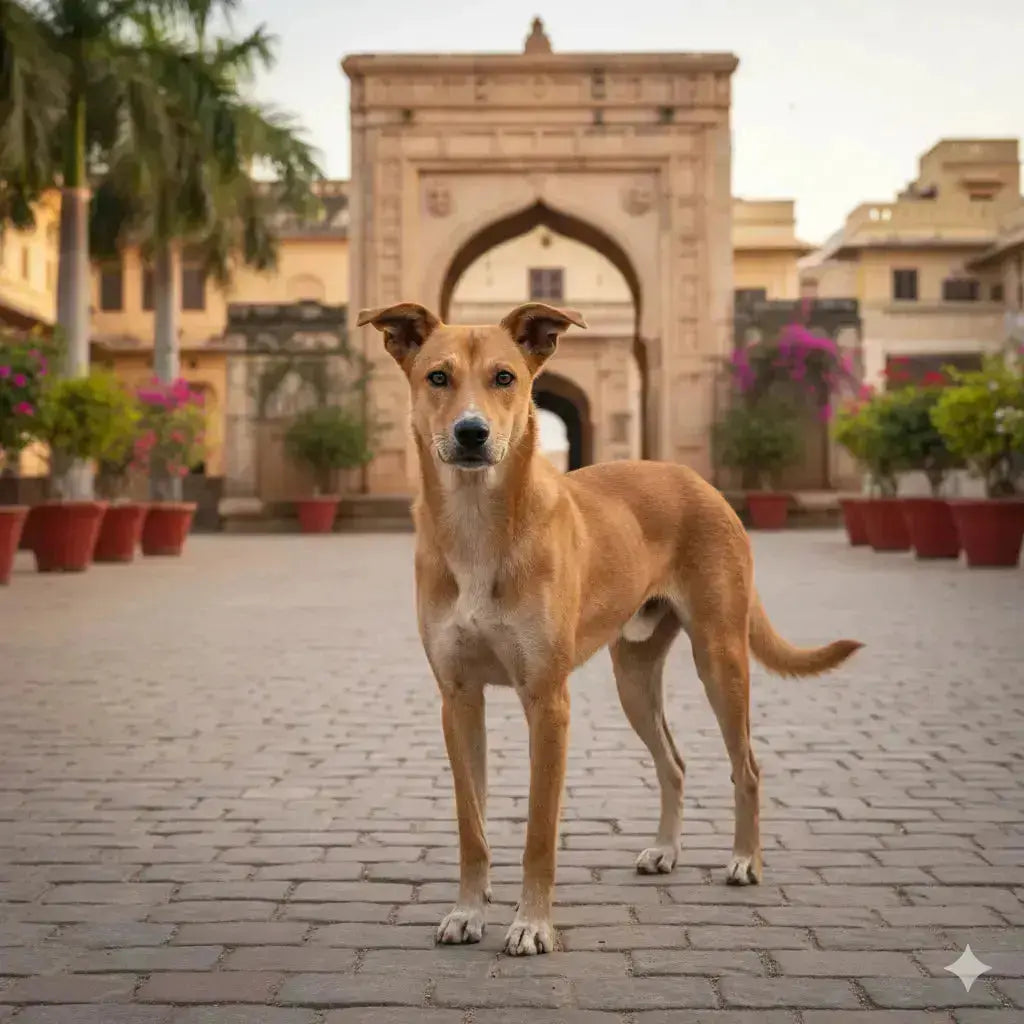
In India, the Indian Pariah Dog (Indie Dog) is often regarded as the most affordable
option, with most being available for adoption at little or no cost. Mixed-breed dogs
from shelters also offer wonderful companionship at minimal acquisition cost and are
often healthier due to hybrid vigour.
What Is the Sad Truth About Pugs?
The sad truth is that many of the features people find most endearing about Pugs -
the flat face, the prominent eyes, the stocky body - are the result of extreme
selective breeding that compromises their health. Pugs structurally cannot breathe
as efficiently as non-brachycephalic breeds. Responsible ownership means
acknowledging these limitations and providing appropriate veterinary care, a cool
environment, and a healthy diet throughout their lives.
Can a Pug Live 25 Years?
No. The average lifespan of a Pug is 12 to 15 years, with well-cared-for Pugs
occasionally reaching 16 years. A lifespan of 25 years is not achievable for any dog
breed, including Pugs. Maximising your Pug's lifespan involves a fresh, balanced
diet, regular veterinary care, appropriate exercise, and preventing obesity.
Common Health Problems with Pugs in India
Indian Pug owners frequently encounter a set of recurring health challenges. Being
proactive rather than reactive can dramatically improve outcomes:
1. Respiratory Issues: Snoring, reverse sneezing, and exercise intolerance are
par for the course. In severe cases, surgical correction of narrowed nostrils or
elongated soft palate may be recommended.
2. Skin Allergies: Pugs are prone to atopic dermatitis, food allergies, and contact
allergies. Many cases are diet-related, responding well to switching from
grain-heavy processed food to fresh, whole-food diets.
3. Dental Disease: Pugs' small mouths cause crowding of teeth, making tartar
buildup and gum disease common. Daily tooth brushing and dental chews are
recommended.
4. Hip Dysplasia and Leg Calve Perthes Disease: Orthopedic conditions that
cause pain and mobility issues, often worsened by obesity.
5. Heatstroke: India's climate is particularly dangerous for Pugs. Never leave
them outdoors during peak summer heat. Always ensure access to fresh
water and air conditioning.
Regular six-monthly vet check-ups, breed-specific vaccinations, and a high-quality diet form the bedrock of preventive care for Indian Pugs.
LEARN MORE ABOUT INDIA'S NO.1 FRESH DOG FOOD
Start Fresh
Pug Dog Breed in India: A Complete Owner's Checklist
If you are considering bringing a Pug dog breed in India into your home, here is a
practical checklist to ensure you are fully prepared:
• Source your Pug from a registered, ethical breeder or an adoption centre.
Avoid pet shops and puppy mills.
• Ensure your home is cool and well-ventilated. Air conditioning is ideal during
Indian summers.
• Choose a fresh food diet - raw or cooked - from a trusted provider like
BARF India to support optimal health.
• Establish a routine of daily wrinkle cleaning to prevent skin fold infections.
• Schedule vaccinations, deworming, and health checks with a vet who has
experience with brachycephalic breeds.
• Limit outdoor exercise to cooler parts of the day (early morning or evening)
and always carry water.
• Socialise your Pug puppy early - with people, children, other animals,
sounds, and environments.
• Invest in pet insurance to cover potential breed-specific medical costs.
Owning a Pug is a deeply rewarding experience. With the right preparation and a
commitment to quality care, your Pug will be a joyful, devoted companion for well
over a decade.

FAQ's About the Pug Dog Breed in India
Final Thoughts: Is the Pug Dog Breed Right for You?
The Pug dog breed in India is a unique and wonderful companion - full of
personality, deeply loyal, and perfectly sized for the Indian lifestyle. Whether you live
in a compact Mumbai apartment or a spacious Delhi bungalow, a Pug will adapt and
thrive as long as you meet their specific needs.
The key to a long, happy life with your Pug comes down to informed ownership:
choosing a reputable breeder, protecting them from India's intense heat, maintaining
a healthy weight through fresh nutrition, and building a consistent veterinary care
routine. Skip the processed kibble - invest in fresh food tailored to your Pug's
biological needs. BARF India's range of raw and cooked dog food is purpose-built for
Indian conditions and Indian pets, making it the natural choice for discerning Pug
parents.
Pugs ask for very little - a cool space, a loving family, and a bowl full of good food. Give them that, and they will repay you with a lifetime of snorts, wiggles, and unwavering devotion.
If you’ve been searching for a healthier, fresher alternative to processed kibble, BARF India’s cooked cat food is the answer. Made from human-grade, preservative-free ingredients, it’s the closest you can get to homemade cat food - without the effort. Our sampler pack is perfect for finicky cats, giving them a chance to explore every recipe and find their favourite.
Introduction to the Pug Dog Breed
The Pug dog breed in India has grown remarkably popular over the last two
decades, winning the hearts of millions with its wrinkled face, curly tail, and
enormous personality packed into a compact body. Once the Vodafone pug became
a household face across Indian television screens, the breed skyrocketed in demand
from Mumbai to Mysore. Today, Pugs are one of the most commonly seen
companion dogs in Indian apartments, nuclear families, and even joint households
- and for good reason.
Originating in ancient China and later popularised by European royalty, the Pug is a
breed that thrives on human companionship. In the Indian context, their manageable
size, adaptability to flat living, and generally gentle disposition make them an
appealing first pet. However, owning a Pug is not without its responsibilities - this
guide will walk you through everything from the breed's temperament and health
considerations to feeding, pricing, and daily care tailored to Indian conditions.
Is a Pug a Good Family Dog in India?
One of the most searched questions about Pugs in India is whether they make good
family dogs - and the answer is a resounding yes, with a few important caveats.
Do Pugs Make Good House Dogs?
Pugs are ideally suited to indoor living. They don't require large yards or intense
exercise routines, making them perfect companions for apartment dwellers across
Indian metros. They bond deeply with their owners and enjoy being in the middle of
family activity - expect your Pug to follow you from room to room.
Can Pugs Get Aggressive?
Pugs are not a naturally aggressive breed. They are affectionate, sociable, and
rarely display territorial behaviour. Occasional stubbornness or food-guarding can
occur if they are not socialised early, but with proper training, Pugs are gentle and
even-tempered around children, guests, and other pets.
Is a Pug a High Maintenance Dog?
Pugs are moderate to high maintenance depending on how you look at it. Their short
coats shed considerably, and their facial wrinkles need daily cleaning to prevent
infections - a task that many Indian owners underestimate. They are also
brachycephalic (flat-faced), which means they can struggle in India's summer heat
and humidity. Owners must be vigilant about heatstroke, overexertion, and
respiratory health.
How Much Does 1 Pug Cost in India?
The price of a Pug in India typically ranges from ₹8,000 to ₹25,000 for a pet-quality
puppy from a reputable breeder. Show-quality or KCI-registered Pugs can cost
upward of ₹30,000 to ₹50,000. Prices vary by city - expect higher rates in Delhi,
Mumbai, and Bangalore. Always buy from ethical, responsible breeders who provide
health certifications and do not operate puppy mills.
What Are the Weaknesses of a Pug?
While Pugs are lovable companions, prospective owners must be aware of their
inherent vulnerabilities. Understanding these weaknesses helps you provide better
care and avoid common mistakes.
• Brachycephalic Obstructive Airway Syndrome (BOAS): Due to their flat faces,
Pugs can snore loudly, wheeze, and struggle to breathe in hot or humid
conditions - a significant concern in Indian summers.
• Eye Problems: Their prominent, bulging eyes are prone to corneal ulcers, dry
eye, and entropion. Regular vet check-ups are essential.
• Obesity: Pugs are notoriously food-motivated and prone to weight gain. An
overweight Pug is at higher risk of joint problems, breathing difficulties, and a
shortened lifespan.
• Skin Fold Infections: The deep wrinkles around the face and tail pocket collect
moisture and bacteria, requiring daily cleaning with a damp cloth.
• Pug Dog Encephalitis (PDE): A rare but fatal neurological condition unique to
Pugs that causes brain inflammation.
Why Is My Pug Weak or Lethargic?
Lethargy in Pugs can stem from several causes: heat exhaustion (very common
during Indian summers), poor nutrition, obesity, worm infestations, or underlying
health conditions. If your Pug appears consistently weak, a vet visit is the first step.
Diet is often an overlooked root cause - low-quality processed food can leave Pugs
nutritionally deficient.
How to Keep Your Pug Happy
Keep exercise light but consistent - short morning walks before 8 AM in summer.
Provide mental stimulation through puzzle toys and training. Ensure they sleep in a
cool, air-conditioned or well-ventilated room during peak heat months. Most
importantly, feed them fresh, nutritious food suited to their body's needs.
Are Pugs Safe Dogs? Understanding Their Temperament
Are Pugs safe dogs? Absolutely - they are among the safest breeds you can own,
especially with children. Pugs have a calm, non-aggressive disposition and generally
get along well with other pets and strangers. That said, like any dog, their behaviour
is shaped by their upbringing and environment.
What Are the Disadvantages of Owning a Pug?
• Heavy shedding that requires regular vacuuming and grooming.
• Loud snoring and snorting - not ideal for light sleepers.
• Susceptibility to heatstroke in hot Indian climates.
• Higher-than-average veterinary bills due to breed-specific health concerns.
• Separation anxiety if left alone for long periods.
What Is a Bad Behaviour in a Pug?
Pugs can exhibit stubbornness during training,
excessive barking when under-stimulated, or destructive chewing when bored.
These are typically corrected with early socialisation, positive reinforcement training,
and adequate exercise and enrichment.
What Is the No. 1 Laziest Dog Breed?
Pugs often top lists of the laziest or most
sedentary dog breeds - but this is partly by design. They were bred as lap dogs for
royalty, not working dogs. Channelling their energy in short, playful bursts rather than
long athletic sessions keeps them happiest and healthiest.
Feeding Your Pug Dog Breed in India: Why Fresh Food Matters
Nutrition is the single most impactful decision you'll make for your Pug's health.
Given the breed's predisposition to obesity, skin problems, joint issues, and digestive
sensitivities, a high-quality diet is not optional - it is foundational. Many Indian Pug
owners rely on mass-produced kibble or homecooked rice-and-dal meals that, while
well-intentioned, often lack the precise macro and micronutrients Pugs need to
thrive.
Fresh food - whether raw or gently cooked - is increasingly recognised by
veterinary nutritionists as the gold standard for companion animal feeding. Fresh
food is more bioavailable, free from artificial preservatives, and tailored to match a
dog's biological needs far more closely than ultra-processed kibble.
BARF India: India's Leading Provider of Fresh Pet Food
For Indian pet parents who want the very best for their Pugs, BARF India has
established itself as the country's foremost name in fresh, species-appropriate pet
nutrition. With a deep understanding of India's climate, ingredients, and the unique
nutritional demands of breeds like the Pug, BARF India formulates diets that go far
beyond what any bag of processed kibble can offer. Their products are crafted to
support healthy weight management, better coat and skin condition, improved
digestion, and stronger immunity - all of which are critical for the Pug breed.
Raw Dog Food by BARF India
BARF stands for Biologically Appropriate Raw Food - a feeding philosophy
grounded in the idea that dogs thrive on the same kind of raw, whole-food diet their
ancestors consumed. BARF India's raw food range includes balanced raw meals
made with muscle meat, raw meaty bones, organ meat, and nutrient-rich vegetables.
For Pugs, whose digestive systems can be sensitive to highly processed ingredients,
raw food offers unparalleled bioavailability. Owners report improvements in coat
shine, energy levels, stool quality, and overall vitality when switching to BARF India's
raw recipes.
Cooked Dog Food by BARF India
For Pug parents who prefer gently cooked meals - whether due to personal comfort
or a vet's recommendation - BARF India's cooked dog food range is an exceptional
choice. These meals are lightly cooked to preserve maximum nutritional value while
eliminating the risk of pathogens. Perfectly portioned and made from wholesome,
locally sourced ingredients, BARF India's cooked options make transitioning away
from kibble straightforward and stress-free. Many owners use a combination of raw
and cooked meals throughout the week for variety and balanced nutrition.
Whether you choose raw or cooked, fresh food from a trusted provider like BARF India is one of the most meaningful investments you can make in your Pug's long- term health and happiness.
NATURE HAS ALREADY GIVEN THE RECIPE. WE HAVE ONLY IMPLEMENTED ITWhy Are Pug Dogs So Expensive in India?
One of the most common questions prospective owners ask is why Pug puppies
carry such a steep price tag compared to other small breeds. Several factors drive
this cost:
• Breeding Complexity: Pugs often require assisted whelping and C-sections
due to the size of their heads relative to the mother's birth canal. This
significantly increases breeding costs.
• Small Litter Sizes: Pugs typically have litters of 4 to 6 puppies, limiting supply.
• Health Certifications: Responsible breeders invest in genetic testing,
vaccinations, deworming, and microchipping before placing puppies.
• High Demand: The breed's sustained popularity in India keeps prices
elevated.
What Is the Price of a Pug in India?
Pet-quality Pugs from reputable breeders: ₹10,000 – ₹25,000. KCI-registered, show-
quality Pugs: ₹30,000 – ₹60,000. Beware of online advertisements offering Pug
puppies at ₹3,000 – ₹5,000 - these almost always come from puppy mills with poor
welfare standards.
What Is the 7-7-7 Rule for Dogs?
The 7-7-7 socialisation rule recommends exposing a puppy to 7 new people, 7 new
places, and 7 new experiences during each of its first 7 weeks of life. For Pugs -
who can be sensitive and prone to anxiety - early socialisation following this
principle lays the foundation for a confident, well-adjusted adult dog.
What Is the #1 Cheapest Dog Breed?
In India, the Indian Pariah Dog (Indie Dog) is often regarded as the most affordable
option, with most being available for adoption at little or no cost. Mixed-breed dogs
from shelters also offer wonderful companionship at minimal acquisition cost and are
often healthier due to hybrid vigour.
What Is the Sad Truth About Pugs?
The sad truth is that many of the features people find most endearing about Pugs -
the flat face, the prominent eyes, the stocky body - are the result of extreme
selective breeding that compromises their health. Pugs structurally cannot breathe
as efficiently as non-brachycephalic breeds. Responsible ownership means
acknowledging these limitations and providing appropriate veterinary care, a cool
environment, and a healthy diet throughout their lives.
Can a Pug Live 25 Years?
No. The average lifespan of a Pug is 12 to 15 years, with well-cared-for Pugs
occasionally reaching 16 years. A lifespan of 25 years is not achievable for any dog
breed, including Pugs. Maximising your Pug's lifespan involves a fresh, balanced
diet, regular veterinary care, appropriate exercise, and preventing obesity.
Common Health Problems with Pugs in India
Indian Pug owners frequently encounter a set of recurring health challenges. Being
proactive rather than reactive can dramatically improve outcomes:
1. Respiratory Issues: Snoring, reverse sneezing, and exercise intolerance are
par for the course. In severe cases, surgical correction of narrowed nostrils or
elongated soft palate may be recommended.
2. Skin Allergies: Pugs are prone to atopic dermatitis, food allergies, and contact
allergies. Many cases are diet-related, responding well to switching from
grain-heavy processed food to fresh, whole-food diets.
3. Dental Disease: Pugs' small mouths cause crowding of teeth, making tartar
buildup and gum disease common. Daily tooth brushing and dental chews are
recommended.
4. Hip Dysplasia and Leg Calve Perthes Disease: Orthopedic conditions that
cause pain and mobility issues, often worsened by obesity.
5. Heatstroke: India's climate is particularly dangerous for Pugs. Never leave
them outdoors during peak summer heat. Always ensure access to fresh
water and air conditioning.
Regular six-monthly vet check-ups, breed-specific vaccinations, and a high-quality diet form the bedrock of preventive care for Indian Pugs.
LEARN MORE ABOUT INDIA'S NO.1 FRESH DOG FOOD
Start FreshPug Dog Breed in India: A Complete Owner's Checklist
If you are considering bringing a Pug dog breed in India into your home, here is a
practical checklist to ensure you are fully prepared:
• Source your Pug from a registered, ethical breeder or an adoption centre.
Avoid pet shops and puppy mills.
• Ensure your home is cool and well-ventilated. Air conditioning is ideal during
Indian summers.
• Choose a fresh food diet - raw or cooked - from a trusted provider like
BARF India to support optimal health.
• Establish a routine of daily wrinkle cleaning to prevent skin fold infections.
• Schedule vaccinations, deworming, and health checks with a vet who has
experience with brachycephalic breeds.
• Limit outdoor exercise to cooler parts of the day (early morning or evening)
and always carry water.
• Socialise your Pug puppy early - with people, children, other animals,
sounds, and environments.
• Invest in pet insurance to cover potential breed-specific medical costs.
Owning a Pug is a deeply rewarding experience. With the right preparation and a
commitment to quality care, your Pug will be a joyful, devoted companion for well
over a decade.
FAQ's About the Pug Dog Breed in India
Final Thoughts: Is the Pug Dog Breed Right for You?
The Pug dog breed in India is a unique and wonderful companion - full of
personality, deeply loyal, and perfectly sized for the Indian lifestyle. Whether you live
in a compact Mumbai apartment or a spacious Delhi bungalow, a Pug will adapt and
thrive as long as you meet their specific needs.
The key to a long, happy life with your Pug comes down to informed ownership:
choosing a reputable breeder, protecting them from India's intense heat, maintaining
a healthy weight through fresh nutrition, and building a consistent veterinary care
routine. Skip the processed kibble - invest in fresh food tailored to your Pug's
biological needs. BARF India's range of raw and cooked dog food is purpose-built for
Indian conditions and Indian pets, making it the natural choice for discerning Pug
parents.
Pugs ask for very little - a cool space, a loving family, and a bowl full of good food. Give them that, and they will repay you with a lifetime of snorts, wiggles, and unwavering devotion.