Raw for Maximum Nutrition
Made in our own Kitchens
Human grade products
29 May 2026
Fresh Cat Food: Why Cats Are Called Obligate Carnivores
Discover why cats are obligate carnivores and how fresh cat food meets their biological needs. Learn the science behind feline nutrition for a healthier, happier cat.

29 May 2026
Fresh Cat Food: Why Cats Are Obligate Carnivores
Discover why cats are obligate carnivores and how fresh cat food meets their biological needs. Learn the science behind feline nutrition for a healthier, happier cat.
Table of contents
• What Does "Obligate Carnivore" Actually Mean?• How Fresh Cat Food Supports Your Cat's Carnivore Biology• Making the Switch: Fresh Cat Food for a Healthier Cat• FAQ's About Fresh Cat Food• ConclusionFresh Cat Food is more than a feeding trend - it is grounded in your cat's fundamental biology. Cats are obligate carnivores, meaning they must consume animal-derived nutrients to survive and thrive. Unlike dogs or humans, cats cannot extract the nutrition they need from plant-based diets alone. Understanding this biological reality is the first step toward making smarter, healthier decisions for your feline companion.
What Does "Obligate Carnivore" Actually Mean?
The term "obligate carnivore" refers to an animal that is biologically required to consume
animal tissue to meet its nutritional needs. Cats evolved as apex hunters of small prey. Their
entire metabolic system is built around extracting energy and nutrients from protein and fat -
not carbohydrates or plant compounds.
Cats lack several critical liver enzymes that other mammals use to synthesize essential
nutrients. For example, cats cannot produce Vitamin A from plant-based beta-carotene - they
require preformed Vitamin A from animal liver. They also cannot synthesize niacin from
tryptophan as omnivores can. These enzymatic absences make Fresh Cat Food a biological
necessity, not simply a lifestyle choice.
Additionally, cats have shorter digestive tracts than omnivores. This design allows for rapid
digestion of animal protein and fat but makes them poorly equipped to handle significant
amounts of starch or plant fiber. Their gut is built for the hunt - not the harvest.

Fresh Cat Food & Taurine - The Amino Acid Cats Cannot Make
Taurine is a sulfur-containing amino acid found almost exclusively in animal muscle tissue and
organ meat. Unlike most mammals, cats cannot synthesize adequate taurine from other amino
acids. Therefore, Fresh Cat Food rich in real animal protein provides the taurine cats need in
its most bioavailable, natural form.
Taurine deficiency leads to serious, life-threatening conditions. The most severe include dilated
cardiomyopathy - a dangerous enlargement of the heart - and retinal degeneration, which
causes progressive blindness. Immune function and reproductive health are also significantly
compromised when dietary taurine is insufficient.
Most dry kibble undergoes high-heat processing that destroys naturally occurring taurine.
Manufacturers add synthetic taurine back in post-processing. However, naturally occurring
taurine from whole animal sources - as found in quality Fresh Cat Food - is generally more
bioavailable. This is a measurable advantage over heavily processed alternatives.
Fresh Cat Food & Arginine - Why This Amino Acid Is Literally Vital
Arginine plays a critical role in the urea cycle - the process that removes toxic ammonia from
the bloodstream. Cats cannot synthesize arginine on their own and have no metabolic buffer if
intake drops. Even a single meal lacking arginine can trigger dangerous ammonia buildup. This
makes arginine one of the most urgent dietary requirements for cats.
Fresh Cat Food made with high-quality named animal proteins - chicken, turkey, or beef -
naturally contains sufficient arginine to keep this system functioning safely. In contrast, plant-
based proteins commonly used in low-cost kibble are often inadequate. This is another
compelling reason meat-first nutrition is non-negotiable for cats.
Signs of arginine deficiency include vomiting, lethargy, excessive salivation, and - in severe
cases - neurological symptoms and death. Choosing Fresh Cat Food with complete, named
protein sources eliminates this risk entirely and safeguards your cat at every meal.

How Fresh Cat Food Supports Your Cat's Carnivore Biology
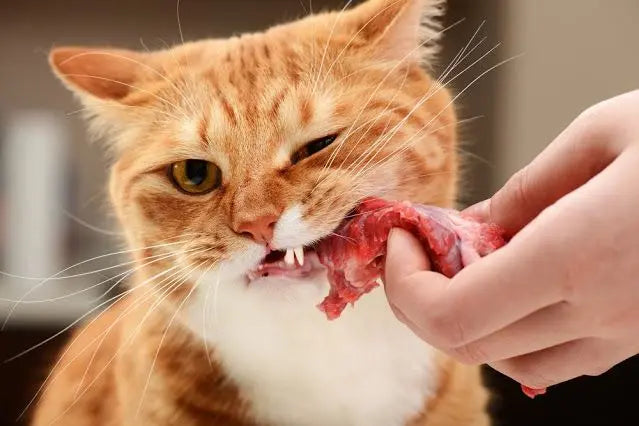
Fresh Cat Food closely mirrors the nutritional profile of a cat's natural prey. Wild cats hunt
small rodents, birds, and reptiles - prey that is high in moisture, protein, and fat, with virtually
no starch. This ancestral nutritional pattern supports nearly every major system in the feline
body: heart, digestion, kidneys, and immune health.
Modern domestic cats share nearly identical metabolic machinery with their wild ancestors.
Their nutritional needs have not changed across centuries of domestication. Feeding a diet
aligned with this biology - rather than working against it - is the foundation of effective
preventive feline healthcare.
Fresh Cat Food & Hydration - Matching the Ancestral Diet
Wild cats evolved in arid environments and developed a naturally low thirst drive. They
historically obtained the majority of their hydration from the moisture in their prey. Fresh Cat
Food closely replicates this intake, typically containing 70-80% moisture - compared to just 6-
10% in dry kibble.
Chronic low-level dehydration is one of the most underrecognized threats to domestic cat
health. Over months and years, it silently damages the kidneys and urinary tract. Consequently,
transitioning to Fresh Cat Food significantly increases daily fluid intake without requiring cats to
drink more water. The result is better kidney function and far fewer urinary tract complications.
Fresh Cat Food & Digestive Health - Less Filler, More Function
Cats have short digestive tracts optimized for processing animal protein quickly. When fed high-
carbohydrate kibble, their gut must process ingredients it was never designed to handle. This
leads to loose stools, gas, and poor nutrient absorption. Fresh Cat Food, by contrast, is highly
digestible - the body absorbs more nutrition from less volume.
The feline gut microbiome thrives on animal-based nutrition. Research shows that cats fed
Fresh Cat Food tend to have healthier gut microbiome diversity compared to those on heavily
processed diets. Furthermore, reduced carbohydrate intake lowers the risk of obesity and Type
II diabetes - two of the most preventable chronic conditions in domestic cats today.
Fresh Cat Food & Weight Management - The Protein-Satiety Connection
Protein is significantly more satiating than carbohydrates. Cats fed Fresh Cat Food consume
protein-dense meals that keep them full for longer, naturally reducing overeating. High-carb
kibble triggers rapid blood sugar spikes followed by crashes - causing cats to demand food
more often than they biologically need it.
Obesity affects more than 60% of domestic cats in the United States and is a leading driver of
diabetes, joint disease, and shortened lifespan. Fresh Cat Food delivers the macronutrient
balance cats evolved to consume: high protein, moderate fat, minimal carbohydrates. Cats on
fresh, high-protein diets consistently show better body condition scores compared to kibble-fed
counterparts.

Making the Switch: Fresh Cat Food for a Healthier Cat
Switching to Fresh Cat Food is one of the most impactful decisions you can make for your cat's
long-term wellbeing. However, cats are notoriously neophobic - they instinctively resist
unfamiliar foods. A gradual transition over 7-14 days is the most effective and comfortable
approach for both cats and their owners.
Begin by observing your cat's current eating habits, protein preferences, and texture tolerances.
Selecting a Fresh Cat Food formula that mirrors their existing preferences - for example,
chicken-based if they currently eat chicken kibble - significantly eases the initial transition and
reduces food refusal.
Fresh Cat Food Transition Plan - A Step-by-Step Guide
Start by mixing 25% Fresh Cat Food with 75% of your cat's current food. Every 2-3 days,
increase the proportion of fresh food by another 25%. By days 10-14, most cats will have made
a full transition. Watch for soft stools or reduced appetite during the adjustment - both are
normal and typically resolve within a few days.
Some cats - particularly long-term dry kibble eaters - may take 3-4 weeks to fully adapt. Be
patient and consistent. Warming Fresh Cat Food slightly to body temperature (approximately
38 degrees C / 100 degrees F) enhances its aroma and makes it more appealing to reluctant
cats. Avoid rushing the transition, as stress can temporarily suppress appetite.
LEARN MORE ABOUT INDIA'S NO.1 FRESH CAT FOOD
Start FreshFresh Cat Food Ingredients - What to Look For on the Label
The best Fresh Cat Food lists a named animal protein as its first ingredient - "deboned
chicken", "turkey breast" or "wild-caught salmon". Avoid products with vague terms like"meat
meal" or "animal digest". Ingredient transparency is the hallmark of a trustworthy brand and a
reliable product.
Taurine should appear either naturally or as a listed supplement in any complete Fresh Cat
Food formula. Omega-3 fatty acids from fish oil support skin, coat, and joint health. Artificial
preservatives like BHA, BHT, or ethoxyquin should be absent. A short, clean ingredient list
almost always signals higher nutritional quality.
Be cautious of Fresh Cat Food formulas that list high-starch vegetables - like potatoes, peas,
or tapioca - as primary ingredients. These are cheap fillers that add carbohydrates cats do not
need. The ideal formula is 70-80% animal protein, with the remainder from species-appropriate
fats and minimal, purposeful carbohydrates.
Fresh Cat Food for Senior Cats - Why Age Changes Everything
Senior cats - typically those aged 7 years and older - have different nutritional needs than
younger cats. Their ability to digest and absorb protein decreases with age. Fresh Cat Food,
being highly digestible and rich in bioavailable protein, is especially valuable for seniors who
need to maintain lean muscle mass and sustained energy levels.
Aging cats are significantly more vulnerable to kidney disease and urinary conditions. The high
moisture content in Fresh Cat Food supports renal health by improving daily hydration.
Choosing formulas with controlled, species-appropriate phosphorus levels protects kidney
function further. For senior cats, the shift to Fresh Cat Food can be genuinely life-extending.

FAQ's About Fresh Cat Food
Conclusion: Why Fresh Cat Food Is the Right Choice
Fresh Cat Food is not a luxury or a trend - it is a direct response to your cat's biological reality
as an obligate carnivore. Every major system in your cat's body - heart, kidneys, gut, immune
function, skin, and coat - performs better when fueled by the diet it evolved to eat: real, animal-
based, moisture-rich food.
The science is clear and the biology is undeniable. Choosing Fresh Cat Food means investing
in your cat's long-term health, vitality, and quality of life. Start small, be consistent, and trust the
evidence behind real food for real cats. It is one of the most impactful decisions you can make
as a caring, responsible cat owner.
Fresh Cat Food is more than a feeding trend - it is grounded in your cat's fundamental biology. Cats are obligate carnivores, meaning they must consume animal-derived nutrients to survive and thrive. Unlike dogs or humans, cats cannot extract the nutrition they need from plant-based diets alone. Understanding this biological reality is the first step toward making smarter, healthier decisions for your feline companion.
What Does "Obligate Carnivore" Actually Mean?
The term "obligate carnivore" refers to an animal that is biologically required to consume
animal tissue to meet its nutritional needs. Cats evolved as apex hunters of small prey. Their
entire metabolic system is built around extracting energy and nutrients from protein and fat -
not carbohydrates or plant compounds.
Cats lack several critical liver enzymes that other mammals use to synthesize essential
nutrients. For example, cats cannot produce Vitamin A from plant-based beta-carotene - they
require preformed Vitamin A from animal liver. They also cannot synthesize niacin from
tryptophan as omnivores can. These enzymatic absences make Fresh Cat Food a biological
necessity, not simply a lifestyle choice.
Additionally, cats have shorter digestive tracts than omnivores. This design allows for rapid
digestion of animal protein and fat but makes them poorly equipped to handle significant
amounts of starch or plant fiber. Their gut is built for the hunt - not the harvest.
Fresh Cat Food & Taurine - The Amino Acid Cats Cannot Make
Taurine is a sulfur-containing amino acid found almost exclusively in animal muscle tissue and
organ meat. Unlike most mammals, cats cannot synthesize adequate taurine from other amino
acids. Therefore, Fresh Cat Food rich in real animal protein provides the taurine cats need in
its most bioavailable, natural form.
Taurine deficiency leads to serious, life-threatening conditions. The most severe include dilated
cardiomyopathy - a dangerous enlargement of the heart - and retinal degeneration, which
causes progressive blindness. Immune function and reproductive health are also significantly
compromised when dietary taurine is insufficient.
Most dry kibble undergoes high-heat processing that destroys naturally occurring taurine.
Manufacturers add synthetic taurine back in post-processing. However, naturally occurring
taurine from whole animal sources - as found in quality Fresh Cat Food - is generally more
bioavailable. This is a measurable advantage over heavily processed alternatives.
Fresh Cat Food & Arginine - Why This Amino Acid Is Literally Vital
Arginine plays a critical role in the urea cycle - the process that removes toxic ammonia from
the bloodstream. Cats cannot synthesize arginine on their own and have no metabolic buffer if
intake drops. Even a single meal lacking arginine can trigger dangerous ammonia buildup. This
makes arginine one of the most urgent dietary requirements for cats.
Fresh Cat Food made with high-quality named animal proteins - chicken, turkey, or beef -
naturally contains sufficient arginine to keep this system functioning safely. In contrast, plant-
based proteins commonly used in low-cost kibble are often inadequate. This is another
compelling reason meat-first nutrition is non-negotiable for cats.
Signs of arginine deficiency include vomiting, lethargy, excessive salivation, and - in severe
cases - neurological symptoms and death. Choosing Fresh Cat Food with complete, named
protein sources eliminates this risk entirely and safeguards your cat at every meal.
How Fresh Cat Food Supports Your Cat's Carnivore Biology
Fresh Cat Food closely mirrors the nutritional profile of a cat's natural prey. Wild cats hunt
small rodents, birds, and reptiles - prey that is high in moisture, protein, and fat, with virtually
no starch. This ancestral nutritional pattern supports nearly every major system in the feline
body: heart, digestion, kidneys, and immune health.
Modern domestic cats share nearly identical metabolic machinery with their wild ancestors.
Their nutritional needs have not changed across centuries of domestication. Feeding a diet
aligned with this biology - rather than working against it - is the foundation of effective
preventive feline healthcare.
Fresh Cat Food & Hydration - Matching the Ancestral Diet
Wild cats evolved in arid environments and developed a naturally low thirst drive. They
historically obtained the majority of their hydration from the moisture in their prey. Fresh Cat
Food closely replicates this intake, typically containing 70-80% moisture - compared to just 6-
10% in dry kibble.
Chronic low-level dehydration is one of the most underrecognized threats to domestic cat
health. Over months and years, it silently damages the kidneys and urinary tract. Consequently,
transitioning to Fresh Cat Food significantly increases daily fluid intake without requiring cats to
drink more water. The result is better kidney function and far fewer urinary tract complications.
Fresh Cat Food & Digestive Health - Less Filler, More Function
Cats have short digestive tracts optimized for processing animal protein quickly. When fed high-
carbohydrate kibble, their gut must process ingredients it was never designed to handle. This
leads to loose stools, gas, and poor nutrient absorption. Fresh Cat Food, by contrast, is highly
digestible - the body absorbs more nutrition from less volume.
The feline gut microbiome thrives on animal-based nutrition. Research shows that cats fed
Fresh Cat Food tend to have healthier gut microbiome diversity compared to those on heavily
processed diets. Furthermore, reduced carbohydrate intake lowers the risk of obesity and Type
II diabetes - two of the most preventable chronic conditions in domestic cats today.
Fresh Cat Food & Weight Management - The Protein-Satiety Connection
Protein is significantly more satiating than carbohydrates. Cats fed Fresh Cat Food consume
protein-dense meals that keep them full for longer, naturally reducing overeating. High-carb
kibble triggers rapid blood sugar spikes followed by crashes - causing cats to demand food
more often than they biologically need it.
Obesity affects more than 60% of domestic cats in the United States and is a leading driver of
diabetes, joint disease, and shortened lifespan. Fresh Cat Food delivers the macronutrient
balance cats evolved to consume: high protein, moderate fat, minimal carbohydrates. Cats on
fresh, high-protein diets consistently show better body condition scores compared to kibble-fed
counterparts.
Making the Switch: Fresh Cat Food for a Healthier Cat
Switching to Fresh Cat Food is one of the most impactful decisions you can make for your cat's
long-term wellbeing. However, cats are notoriously neophobic - they instinctively resist
unfamiliar foods. A gradual transition over 7-14 days is the most effective and comfortable
approach for both cats and their owners.
Begin by observing your cat's current eating habits, protein preferences, and texture tolerances.
Selecting a Fresh Cat Food formula that mirrors their existing preferences - for example,
chicken-based if they currently eat chicken kibble - significantly eases the initial transition and
reduces food refusal.
Fresh Cat Food Transition Plan - A Step-by-Step Guide
Start by mixing 25% Fresh Cat Food with 75% of your cat's current food. Every 2-3 days,
increase the proportion of fresh food by another 25%. By days 10-14, most cats will have made
a full transition. Watch for soft stools or reduced appetite during the adjustment - both are
normal and typically resolve within a few days.
Some cats - particularly long-term dry kibble eaters - may take 3-4 weeks to fully adapt. Be
patient and consistent. Warming Fresh Cat Food slightly to body temperature (approximately
38 degrees C / 100 degrees F) enhances its aroma and makes it more appealing to reluctant
cats. Avoid rushing the transition, as stress can temporarily suppress appetite.
LEARN MORE ABOUT INDIA'S NO.1 FRESH CAT FOOD
Start FreshFresh Cat Food Ingredients - What to Look For on the Label
The best Fresh Cat Food lists a named animal protein as its first ingredient - "deboned
chicken", "turkey breast" or "wild-caught salmon". Avoid products with vague terms like"meat
meal" or "animal digest". Ingredient transparency is the hallmark of a trustworthy brand and a
reliable product.
Taurine should appear either naturally or as a listed supplement in any complete Fresh Cat
Food formula. Omega-3 fatty acids from fish oil support skin, coat, and joint health. Artificial
preservatives like BHA, BHT, or ethoxyquin should be absent. A short, clean ingredient list
almost always signals higher nutritional quality.
Be cautious of Fresh Cat Food formulas that list high-starch vegetables - like potatoes, peas,
or tapioca - as primary ingredients. These are cheap fillers that add carbohydrates cats do not
need. The ideal formula is 70-80% animal protein, with the remainder from species-appropriate
fats and minimal, purposeful carbohydrates.
Fresh Cat Food for Senior Cats - Why Age Changes Everything
Senior cats - typically those aged 7 years and older - have different nutritional needs than
younger cats. Their ability to digest and absorb protein decreases with age. Fresh Cat Food,
being highly digestible and rich in bioavailable protein, is especially valuable for seniors who
need to maintain lean muscle mass and sustained energy levels.
Aging cats are significantly more vulnerable to kidney disease and urinary conditions. The high
moisture content in Fresh Cat Food supports renal health by improving daily hydration.
Choosing formulas with controlled, species-appropriate phosphorus levels protects kidney
function further. For senior cats, the shift to Fresh Cat Food can be genuinely life-extending.
FAQ's About Fresh Cat Food
Conclusion: Why Fresh Cat Food Is the Right Choice
Fresh Cat Food is not a luxury or a trend - it is a direct response to your cat's biological reality
as an obligate carnivore. Every major system in your cat's body - heart, kidneys, gut, immune
function, skin, and coat - performs better when fueled by the diet it evolved to eat: real, animal-
based, moisture-rich food.
The science is clear and the biology is undeniable. Choosing Fresh Cat Food means investing
in your cat's long-term health, vitality, and quality of life. Start small, be consistent, and trust the
evidence behind real food for real cats. It is one of the most impactful decisions you can make
as a caring, responsible cat owner.