Raw for Maximum Nutrition
Made in our own Kitchens
Human grade products
6 June 2026
Feed Grade Cat Food vs Human Grade Cat Food: What's Really in Your Cat's Bowl?
Feed grade cat food may not be what you think. Discover the key differences between feed grade and human grade cat food, what's really in your cat's bowl, and how to make a healthier choice.

6 June 2026
Feed Grade Cat Food vs Human Grade Cat Food: What's Really in Your Cat's Bowl?
Feed grade cat food may not be what you think. Discover the key differences between feed grade and human grade cat food, what's really in your cat's bowl, and how to make a healthier choice.
Table of contents
• What Is Feed Grade Cat Food?• The Legal Definitions: Feed Grade vs Human Grade• What Exactly Goes Into Feed Grade Cat Food?• Manufacturing Standards• Nutritional Impact• Reading a Cat Food Label Like a Pro• Human Grade Cat Food: Is the Premium Price Worth It?• Choosing the Right Food for Your Cat• FAQ's• ConclusionTable of contents
• What Is Feed Grade Cat Food?• The Legal Definitions: Feed Grade vs Human Grade• What Exactly Goes Into Feed Grade Cat Food?• Manufacturing Standards• Nutritional Impact• Reading a Cat Food Label Like a Pro• Human Grade Cat Food: Is the Premium Price Worth It?• Choosing the Right Food for Your Cat• FAQ's• ConclusionWhat Is Feed Grade Cat Food, Really?
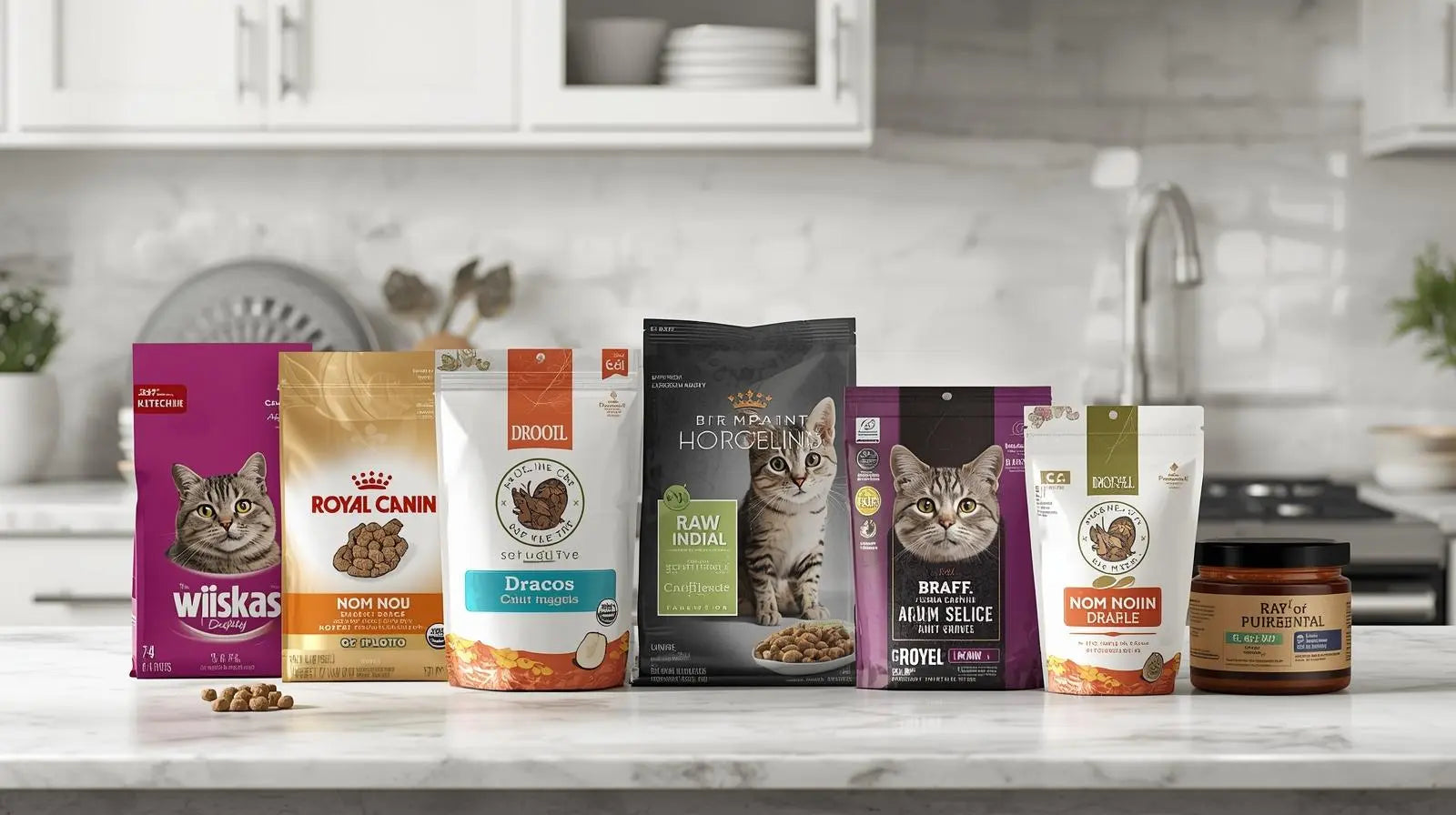
Feed grade cat food is the category most commercial pet foods fall into - and most cat owners have no idea. If a product does not carry an explicit "human grade" label, it is feed grade by default.
Feed Grade Cat Food: The Default Standard Most Brands Use
Feed grade cat food simply means the product meets AAFCO's minimum safety requirements for animal consumption. It does not mean the food is nutritious, transparent, or ethically sourced. The bar is deliberately low. Furthermore, "safe for animal consumption" is not the same as high quality. Ingredients that would be rejected from human food supply chains can still legally enter feed grade pet food manufacturing.
Why Most Cat Owners Confuse Feed Grade with Adequate Quality
Packaging often uses words like "premium", "gourmet" or "wholesome" - none of which have a legal definition. These labels mean nothing nutritionally without an AAFCO statement to back them up. In short, marketing language is not a nutritional guarantee. Only ingredient lists and regulatory claims tell the real story.

The Legal Definitions: Feed Grade vs Human Grade
Understanding the legal language behind these terms is critical before you spend another dollar on cat food.
The Official AAFCO Definition of Feed Grade Cat Food
AAFCO defines feed grade as: material that is safe, functional, and suitable for use in animal food, handled appropriately, and conforms to the Federal Food, Drug, and Cosmetic Act. Notice what is absent - any mention of quality or ingredient source transparency. Consequently, a feed grade product can legally contain ingredients that never touched a human food facility or met human-edible standards.
What Human Grade Actually Requires by Law
For a cat food to legally claim "human grade" every single ingredient must be human-edible, and the product must be manufactured, packed, and stored under FDA's 21 CFR 117 Good Manufacturing Practices for human food facilities. This means the facility is subject to over 100 additional safety checks that a standard pet food factory is not. It is not just about ingredients - the entire production environment must be human- food compliant.
Feed Grade Cat Food and the Regulatory Gap That Matters
Feed grade cat food is regulated by AAFCO alone - a voluntary organization. The FDA does not pre-approve pet food before it hits shelves. This regulatory gap is exactly where quality differences emerge between brands.
What Exactly Goes Into Feed Grade Cat Food?
This is where the real conversation starts - and where most cat food marketing goes deliberately vague.
Feed Grade Cat Food and Meat By-Products: What They Really Are
Meat by-products in feed grade cat food include lungs, spleen, kidneys, brain, blood, and bone - parts removed during slaughter that are rejected for human consumption. AAFCO permits all of these. By-products are not inherently dangerous, but their quality varies wildly across manufacturers. Without species identification (e.g., "chicken by-product" vs just "poultry by-product"), the source is deliberately obscured.
LEARN MORE ABOUT INDIA'S NO.1 FRESH CAT FOOD
Start Fresh
The 4D Meat Problem in Feed Grade Cat Food
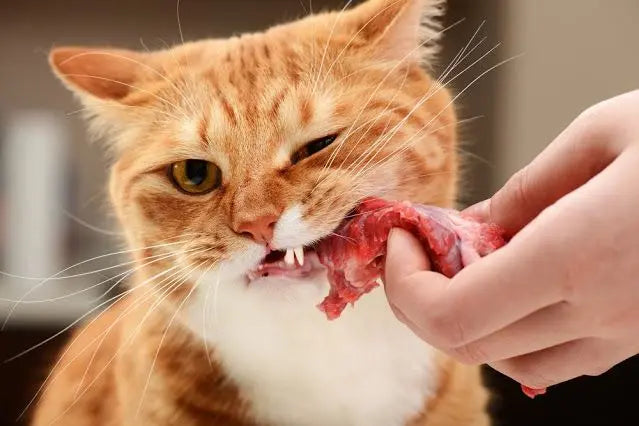
Feed grade cat food can legally source meat from 4D animals: dying, diseased, disabled, or deceased. These meats go through rendering - a high-heat process that kills bacteria but also degrades nutritional value significantly. Rendered meat becomes "meat meal" or "animal digest" on an ingredient label. Both are common in feed grade kibble. Both are far below what a human food standard would permit.
Common Fillers and Additives Found in Feed Grade Cat Food
• Corn gluten meal and soybean meal - cheap protein extenders with low bioavailability for
cats
• Artificial preservatives such as BHA, BHT, and ethoxyquin - used to extend shelf life
• Carrageenan and guar gum - thickeners linked to digestive inflammation in some studies
• Unnamed animal fats - legal in feed grade but absent from human-grade formulas
• Caramel colouring and artificial flavours - added to compensate for low-quality base
ingredients
Cats are obligate carnivores. They require animal protein - not protein extenders from plant
sources. Feed grade cat food frequently substitutes cheap plant proteins to hit label protein
percentages without delivering bioavailable nutrition.
Manufacturing Standards: Where the Food Is Made Matters
The grade of a cat food is inseparable from where and how it is produced. Facility standards drive safety outcomes as much as ingredients do.
Feed Grade Cat Food Factories vs Human Food Facilities
Feed grade cat food is produced in facilities designed for animal feed, not human food. These factories are not held to FDA's 21 CFR 117 standards. Inspections are less frequent, and contamination thresholds are broader. By contrast, human grade facilities undergo rigorous FDA inspections, maintain strict hygiene protocols, and use production lines that could legally process food for human consumption.
 NATURE HAS ALREADY GIVEN THE RECIPE. WE HAVE ONLY IMPLEMENTED IT
How Processing Degrades Feed Grade Ingredients Further
Even ingredients that start as human-edible can lose that status during transport and processing. Once a chicken breast is moved into a feed grade facility, it is reclassified as feed grade - regardless of its original quality. This is a critical point many pet food brands exploit. "Made with human grade ingredients" does not mean the final product is human grade if the facility does not meet FDA standards.
Why Feed Grade Cat Food Can Still Vary Widely in Quality
There is a spectrum within feed grade cat food. Some brands use only one or two non-edible ingredients. Others use almost exclusively feed grade inputs. The label won't tell you where your brand sits on that spectrum.
Nutritional Impact: Does Grade Affect Your Cat's Health?
The short answer is yes - though the relationship is more nuanced than marketing claims suggest.
Feed Grade Cat Food and Long-Term Health Considerations
Cats fed consistently on low-quality feed grade cat food over years may develop issues related to poor protein bioavailability, chronic low-grade inflammation from additives, and nutritional imbalances masked by synthetic supplementation. However, not every feed grade food produces poor outcomes. A well-formulated AAFCO-compliant feed grade food can sustain a cat's basic nutritional needs - the question is whether "basic" is the standard you want for your pet.
Protein Bioavailability: The Key Difference Nobody Talks About
Rendered meat meals in feed grade cat food are high in crude protein by measure but lower in digestibility. Cats cannot efficiently use protein from heavily processed, high-temperature-rendered sources the way they use fresh or minimally processed protein. Bioavailability - not just protein percentage - is what drives muscle maintenance, coat health, and immune function. Feed grade cat food often wins on the label, not in the bowl.

Which Cats Benefit Most from Avoiding Feed Grade Cat Food
Cats with food sensitivities, chronic digestive issues, inflammatory bowel disease, urinary tract problems, or obesity often show meaningful improvement when switched to higher-quality diets with fewer additives and more bioavailable protein sources. Senior cats and kittens - whose nutritional needs are most demanding - also stand to benefit most from stepping away from basic feed grade formulations.
How to Read a Cat Food Label Like a Pro
The label is your only window into what feed grade cat food actually contains - if you know how to read it.
Feed Grade Cat Food Red Flags to Spot on Ingredient Labels
• "Meat by-product" or "poultry by-product" without species named - obscures source quality
• "Animal digest" - chemically treated offal used as a flavour enhancer in feed grade
products
• "Corn syrup" or "sugar" - no nutritional value for cats; a filler and palatability enhancer
• Preservatives: BHA, BHT, or ethoxyquin - synthetic antioxidants with health concerns
• "By-product meal" listed ahead of a named protein - signals protein quantity is not from
quality meat
What the AAFCO Statement on a Feed Grade Cat Food Label Tells You
Every complete cat food must carry an AAFCO nutritional adequacy statement. Look for
"formulated to meet AAFCO nutrient profiles" or "animal feeding tests using AAFCO procedures"
Feeding trial-tested products are a stronger guarantee.
If the label reads "for intermittent or supplemental feeding only", the product has not met complete
nutritional standards. Do not feed it as a sole diet.
How to Tell If a Cat Food Is Truly Human Grade vs Feed Grade
Genuine human grade cat food will explicitly state it on the label - and the brand will be able to
confirm FDA-compliant manufacturing facilities upon request. If the brand is vague about its facility,
treat it as feed grade.

Human Grade Cat Food: Is the Premium Price Worth It?
Human grade cat food costs significantly more. Whether that premium is justified depends on your cat's specific situation - not on blanket marketing promises.
What You Actually Get With Human Grade vs Feed Grade Cat Food

The table above reflects general industry patterns. Individual brands within both categories can vary significantly from these generalised descriptions.
When Feed Grade Cat Food Is Genuinely Sufficient
A well-formulated feed grade cat food from a reputable manufacturer can sustain a healthy adult cat with no pre-existing conditions. Not every cat requires human grade nutrition to thrive. The risk lies in assuming all feed grade products are equal - or in selecting one based solely on price without reading the ingredient panel carefully.
When Upgrading from Feed Grade Cat Food Makes Sense
Budget matters - but so does long-term veterinary cost. Cats with chronic issues, recurring UTIs, digestive sensitivity, or obesity may see health improvements that reduce vet bills over time when switched away from low-quality feed grade formulations.
Choosing the Right Food for Your Cat
Neither "human grade" nor "feed grade" tells the complete story on its own. Your decision should be driven by ingredient transparency, your cat's health, and your budget.
Feed Grade Cat Food: Questions to Ask Before You Buy
• Is the primary protein source a named species (e.g., chicken, salmon)?
• Is the first ingredient a named meat - not a by-product or meal?
• Does the product carry an AAFCO complete and balanced statement?
• Can the manufacturer confirm its facility type upon request?
• Are artificial preservatives, colours, and unnamed fats absent?

Transitioning Away from Feed Grade Cat Food Safely
If you decide to transition your cat from feed grade cat food to a higher-quality option, do so gradually over 7–10 days. Mix increasing proportions of the new food into the old to avoid digestive upset from an abrupt dietary change. Monitor your cat's stool consistency, appetite, and energy during the transition period. Slow transitions significantly reduce rejection rates in finicky cats.
The Middle Ground: Better Feed Grade Options Still Exist
Not every upgrade requires a full switch to premium human grade brands. Mid-range feed grade cat food from transparent manufacturers - those that name every protein source and avoid synthetic additives - can represent a meaningful quality step without the full human grade price tag. The goal is informed decision-making, not perfection. Read the label, ask questions, and choose the best option within your real-world budget.
Frequently Asked Questions
Conclusion
Feed grade cat food is not automatically dangerous - but it is a category with an enormous range,
and most of that range is invisible on the front of the package. The difference between feed grade
and human grade cat food lies in ingredient sourcing, facility standards, and regulatory oversight: all
things that marketing language actively obscures.
Your cat cannot read a label. You can. Use the ingredient panel, the AAFCO statement, and the
manufacturer's transparency about its facility to make an informed choice - not the font size of the
word "premium" on the bag. Whether you choose feed grade cat food or human grade, the principle is the same: know what you
are buying, and hold the brand accountable for what it claims.
What Is Feed Grade Cat Food, Really?
Feed grade cat food is the category most commercial pet foods fall into - and most cat owners have no idea. If a product does not carry an explicit "human grade" label, it is feed grade by default.
Feed Grade Cat Food: The Default Standard Most Brands Use
Feed grade cat food simply means the product meets AAFCO's minimum safety requirements for animal consumption. It does not mean the food is nutritious, transparent, or ethically sourced. The bar is deliberately low. Furthermore, "safe for animal consumption" is not the same as high quality. Ingredients that would be rejected from human food supply chains can still legally enter feed grade pet food manufacturing.
Why Most Cat Owners Confuse Feed Grade with Adequate Quality
Packaging often uses words like "premium", "gourmet" or "wholesome" - none of which have a legal definition. These labels mean nothing nutritionally without an AAFCO statement to back them up. In short, marketing language is not a nutritional guarantee. Only ingredient lists and regulatory claims tell the real story.
The Legal Definitions: Feed Grade vs Human Grade
Understanding the legal language behind these terms is critical before you spend another dollar on cat food.
The Official AAFCO Definition of Feed Grade Cat Food
AAFCO defines feed grade as: material that is safe, functional, and suitable for use in animal food, handled appropriately, and conforms to the Federal Food, Drug, and Cosmetic Act. Notice what is absent - any mention of quality or ingredient source transparency. Consequently, a feed grade product can legally contain ingredients that never touched a human food facility or met human-edible standards.
What Human Grade Actually Requires by Law
For a cat food to legally claim "human grade" every single ingredient must be human-edible, and the product must be manufactured, packed, and stored under FDA's 21 CFR 117 Good Manufacturing Practices for human food facilities. This means the facility is subject to over 100 additional safety checks that a standard pet food factory is not. It is not just about ingredients - the entire production environment must be human- food compliant.
Feed Grade Cat Food and the Regulatory Gap That Matters
Feed grade cat food is regulated by AAFCO alone - a voluntary organization. The FDA does not pre-approve pet food before it hits shelves. This regulatory gap is exactly where quality differences emerge between brands.
What Exactly Goes Into Feed Grade Cat Food?
This is where the real conversation starts - and where most cat food marketing goes deliberately vague.
Feed Grade Cat Food and Meat By-Products: What They Really Are
Meat by-products in feed grade cat food include lungs, spleen, kidneys, brain, blood, and bone - parts removed during slaughter that are rejected for human consumption. AAFCO permits all of these. By-products are not inherently dangerous, but their quality varies wildly across manufacturers. Without species identification (e.g., "chicken by-product" vs just "poultry by-product"), the source is deliberately obscured.
LEARN MORE ABOUT INDIA'S NO.1 FRESH CAT FOOD
Start FreshThe 4D Meat Problem in Feed Grade Cat Food
Feed grade cat food can legally source meat from 4D animals: dying, diseased, disabled, or deceased. These meats go through rendering - a high-heat process that kills bacteria but also degrades nutritional value significantly. Rendered meat becomes "meat meal" or "animal digest" on an ingredient label. Both are common in feed grade kibble. Both are far below what a human food standard would permit.
Common Fillers and Additives Found in Feed Grade Cat Food
• Corn gluten meal and soybean meal - cheap protein extenders with low bioavailability for
cats
• Artificial preservatives such as BHA, BHT, and ethoxyquin - used to extend shelf life
• Carrageenan and guar gum - thickeners linked to digestive inflammation in some studies
• Unnamed animal fats - legal in feed grade but absent from human-grade formulas
• Caramel colouring and artificial flavours - added to compensate for low-quality base
ingredients
Cats are obligate carnivores. They require animal protein - not protein extenders from plant
sources. Feed grade cat food frequently substitutes cheap plant proteins to hit label protein
percentages without delivering bioavailable nutrition.
Manufacturing Standards: Where the Food Is Made Matters
The grade of a cat food is inseparable from where and how it is produced. Facility standards drive safety outcomes as much as ingredients do.
Feed Grade Cat Food Factories vs Human Food Facilities
Feed grade cat food is produced in facilities designed for animal feed, not human food. These factories are not held to FDA's 21 CFR 117 standards. Inspections are less frequent, and contamination thresholds are broader. By contrast, human grade facilities undergo rigorous FDA inspections, maintain strict hygiene protocols, and use production lines that could legally process food for human consumption.
NATURE HAS ALREADY GIVEN THE RECIPE. WE HAVE ONLY IMPLEMENTED ITHow Processing Degrades Feed Grade Ingredients Further
Even ingredients that start as human-edible can lose that status during transport and processing. Once a chicken breast is moved into a feed grade facility, it is reclassified as feed grade - regardless of its original quality. This is a critical point many pet food brands exploit. "Made with human grade ingredients" does not mean the final product is human grade if the facility does not meet FDA standards.
Why Feed Grade Cat Food Can Still Vary Widely in Quality
There is a spectrum within feed grade cat food. Some brands use only one or two non-edible ingredients. Others use almost exclusively feed grade inputs. The label won't tell you where your brand sits on that spectrum.
Nutritional Impact: Does Grade Affect Your Cat's Health?
The short answer is yes - though the relationship is more nuanced than marketing claims suggest.
Feed Grade Cat Food and Long-Term Health Considerations
Cats fed consistently on low-quality feed grade cat food over years may develop issues related to poor protein bioavailability, chronic low-grade inflammation from additives, and nutritional imbalances masked by synthetic supplementation. However, not every feed grade food produces poor outcomes. A well-formulated AAFCO-compliant feed grade food can sustain a cat's basic nutritional needs - the question is whether "basic" is the standard you want for your pet.
Protein Bioavailability: The Key Difference Nobody Talks About
Rendered meat meals in feed grade cat food are high in crude protein by measure but lower in digestibility. Cats cannot efficiently use protein from heavily processed, high-temperature-rendered sources the way they use fresh or minimally processed protein. Bioavailability - not just protein percentage - is what drives muscle maintenance, coat health, and immune function. Feed grade cat food often wins on the label, not in the bowl.
Which Cats Benefit Most from Avoiding Feed Grade Cat Food
Cats with food sensitivities, chronic digestive issues, inflammatory bowel disease, urinary tract problems, or obesity often show meaningful improvement when switched to higher-quality diets with fewer additives and more bioavailable protein sources. Senior cats and kittens - whose nutritional needs are most demanding - also stand to benefit most from stepping away from basic feed grade formulations.
How to Read a Cat Food Label Like a Pro
The label is your only window into what feed grade cat food actually contains - if you know how to read it.
Feed Grade Cat Food Red Flags to Spot on Ingredient Labels
• "Meat by-product" or "poultry by-product" without species named - obscures source quality
• "Animal digest" - chemically treated offal used as a flavour enhancer in feed grade
products
• "Corn syrup" or "sugar" - no nutritional value for cats; a filler and palatability enhancer
• Preservatives: BHA, BHT, or ethoxyquin - synthetic antioxidants with health concerns
• "By-product meal" listed ahead of a named protein - signals protein quantity is not from
quality meat
What the AAFCO Statement on a Feed Grade Cat Food Label Tells You
Every complete cat food must carry an AAFCO nutritional adequacy statement. Look for
"formulated to meet AAFCO nutrient profiles" or "animal feeding tests using AAFCO procedures"
Feeding trial-tested products are a stronger guarantee.
If the label reads "for intermittent or supplemental feeding only", the product has not met complete
nutritional standards. Do not feed it as a sole diet.
How to Tell If a Cat Food Is Truly Human Grade vs Feed Grade
Genuine human grade cat food will explicitly state it on the label - and the brand will be able to
confirm FDA-compliant manufacturing facilities upon request. If the brand is vague about its facility,
treat it as feed grade.
Human Grade Cat Food: Is the Premium Price Worth It?
Human grade cat food costs significantly more. Whether that premium is justified depends on your cat's specific situation - not on blanket marketing promises.
What You Actually Get With Human Grade vs Feed Grade Cat Food
The table above reflects general industry patterns. Individual brands within both categories can vary significantly from these generalised descriptions.
When Feed Grade Cat Food Is Genuinely Sufficient
A well-formulated feed grade cat food from a reputable manufacturer can sustain a healthy adult cat with no pre-existing conditions. Not every cat requires human grade nutrition to thrive. The risk lies in assuming all feed grade products are equal - or in selecting one based solely on price without reading the ingredient panel carefully.
When Upgrading from Feed Grade Cat Food Makes Sense
Budget matters - but so does long-term veterinary cost. Cats with chronic issues, recurring UTIs, digestive sensitivity, or obesity may see health improvements that reduce vet bills over time when switched away from low-quality feed grade formulations.
Choosing the Right Food for Your Cat
Neither "human grade" nor "feed grade" tells the complete story on its own. Your decision should be driven by ingredient transparency, your cat's health, and your budget.
Feed Grade Cat Food: Questions to Ask Before You Buy
• Is the primary protein source a named species (e.g., chicken, salmon)?
• Is the first ingredient a named meat - not a by-product or meal?
• Does the product carry an AAFCO complete and balanced statement?
• Can the manufacturer confirm its facility type upon request?
• Are artificial preservatives, colours, and unnamed fats absent?
Transitioning Away from Feed Grade Cat Food Safely
If you decide to transition your cat from feed grade cat food to a higher-quality option, do so gradually over 7–10 days. Mix increasing proportions of the new food into the old to avoid digestive upset from an abrupt dietary change. Monitor your cat's stool consistency, appetite, and energy during the transition period. Slow transitions significantly reduce rejection rates in finicky cats.
The Middle Ground: Better Feed Grade Options Still Exist
Not every upgrade requires a full switch to premium human grade brands. Mid-range feed grade cat food from transparent manufacturers - those that name every protein source and avoid synthetic additives - can represent a meaningful quality step without the full human grade price tag. The goal is informed decision-making, not perfection. Read the label, ask questions, and choose the best option within your real-world budget.
Frequently Asked Questions
Conclusion
Feed grade cat food is not automatically dangerous - but it is a category with an enormous range,
and most of that range is invisible on the front of the package. The difference between feed grade
and human grade cat food lies in ingredient sourcing, facility standards, and regulatory oversight: all
things that marketing language actively obscures.
Your cat cannot read a label. You can. Use the ingredient panel, the AAFCO statement, and the
manufacturer's transparency about its facility to make an informed choice - not the font size of the
word "premium" on the bag. Whether you choose feed grade cat food or human grade, the principle is the same: know what you
are buying, and hold the brand accountable for what it claims.