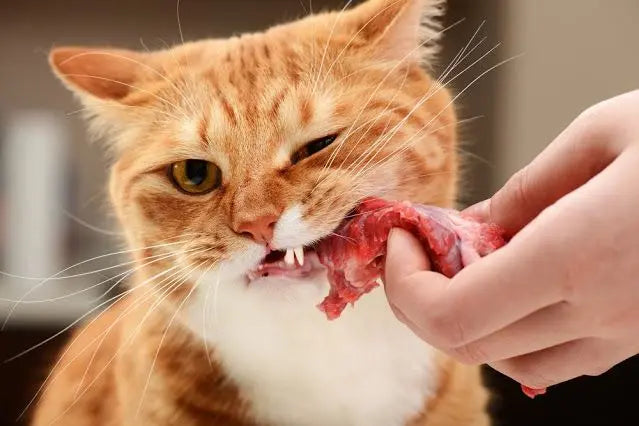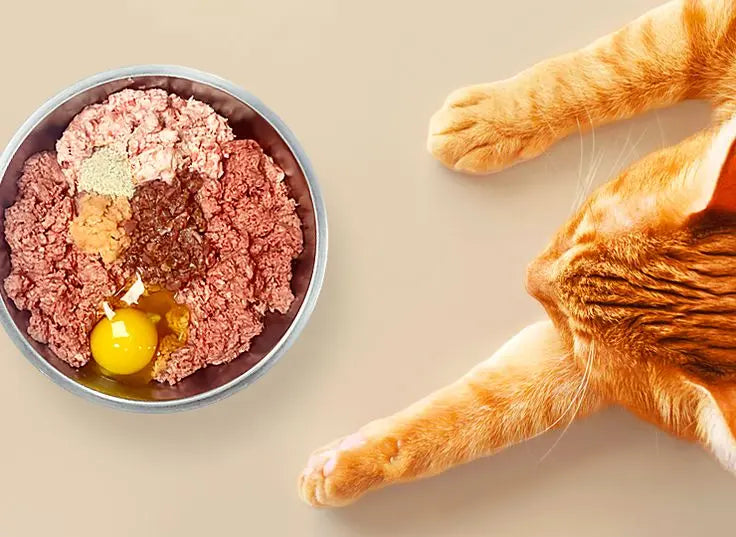
Raw for Maximum Nutrition

Made in our own Kitchens

Human grade products

Raw for Maximum Nutrition

Made in our own kitchens

Human grade products

6 June 2026

Ill-Effects of Ultra-Processed Cat Food: How It Silently Damages Your Cat's Health

Discover the ill-effects of ultra-processed cat food - from obesity and kidney disease to gut disruption and toxin exposure. Science-backed guide every cat owner needs to read.

A brown and white tabby cat lies on a blue couch, looking at the camera with its mouth open as if meowing or yawning. There are pillows in the background.

6 June 2026

Ill-Effects of Ultra-Processed Cat Food: How It Silently Damages Your Cat's Health

Discover the ill-effects of ultra-processed cat food - from obesity and kidney disease to gut disruption and toxin exposure. Science-backed guide every cat owner needs to read.

A brown and white tabby cat lies on a blue couch, looking at the camera with its mouth open as if meowing or yawning. There are pillows in the background.

What Is Ultra-Processed Cat Food?

Ill-Effects of Ultra-Processed Cat Food Begin at the Bowl

Ill-effects of ultra-processed cat food begin the moment your cat finishes their first bowl. Most cat owners do not realise that the shiny kibble or gel-coated wet food they serve daily may be one of the leading drivers of chronic feline illness. Ultra-processed cat food refers to products manufactured through multiple industrial techniques - extrusion, high-heat cooking, hydrogenation - that use synthetic additives, artificial flavours, and refined by-products. These are not simply 'cooked' foods; they are chemically reconstructed products far removed from what a cat's obligate carnivore physiology evolved to handle.

Definition: Under the NOVA food classification system, ultra-processed foods are industrial formulations made mostly from substances extracted from foods, with little or no intact original food remaining.

Why NOVA Classification Matters

The NOVA system, originally developed to classify human foods by degree of processing, is increasingly being applied to pet food. Kibble and most canned cat foods score in NOVA Group 4 - the ultra-processed category - because they contain emulsifiers, synthetic flavour enhancers, artificial colours, and chemical preservatives not found in whole food. Cats differ critically from humans and dogs in their metabolic pathways. They have a reduced capacity for glucuronidation - a liver detoxification process - making them uniquely sensitive to phenolic preservatives like BHA. Understanding this distinction is step one in evaluating feline diet risk.

Himalyan Cat Breed

Ill-Effects of Ultra-Processed Cat Food on Weight and Metabolism

Ill-Effects of Ultra-Processed Cat Food Include Skyrocketing Obesity Rates

Obesity is now the most common nutritional disorder in domestic cats. Kibble - the quintessential ultra-processed cat food - is consistently associated with elevated obesity risk. The combination of high caloric density, hyper-palatability from synthetic flavour enhancers, and low moisture content drives overconsumption. A landmark Frontiers in Veterinary Science review (2026) confirmed that feline obesity triggers a cascade of comorbidities: diabetes mellitus, osteoarthritis, urinary disorders, cardiomyopathy, and shortened lifespan.

The Diabetes Connection

Obesity is the single largest risk factor for feline diabetes mellitus - and ultra-processed diets are a key driver of obesity. The relationship is self-reinforcing: high-carbohydrate kibble triggers insulin resistance, which impairs body weight management, which worsens metabolic dysfunction further. Feline diabetes mirrors human Type 2 diabetes pathophysiology. Once beta-cell function is significantly impaired, management requires daily insulin injections. Early diet intervention is far more effective - and far cheaper - than disease management.

Why Carbohydrates in Ultra-Processed Cat Food Are Problematic

Cats lack amylase in their saliva and produce minimal pancreatic amylase. Unlike dogs or humans, they are metabolically poorly equipped for large carbohydrate loads. Dry kibble typically contains 30–50% carbohydrates - a nutrient cats have no physiological need for at these levels.

Purple label for Cooked Cat Food - Grain Free Chicken & Tuna Recipe (1.75kg | 7x250g) by www.barfindia.com. Features cat graphic, feeding guidelines, ingredients, safety info, and maker details. All-natural, preservative-free, family-owned brand.
An orange label for Cooked Cat Food – Grain-Free Buffalo & Chicken Recipe (1.75kg | 7x250g) from www.barfindia.com lists ingredients, feeding instructions, and safety info. A gray-striped cartoon cat stretches at the bottom left. Made in India.
Blue label for Cooked Cat Food - Grain-free Mackerel & Pork Recipe (1.75 kg, 7x250g) by www.barfindia.com. High protein, with ingredients and feeding instructions. Gray striped cat illustration; yellow safety info box on right.
Cooked Cat Food - Grain free Rabbit & Quail Recipe (1.75kg, 7x250g) label features ingredients, feeding and storage instructions, allergy warnings, manufacturer info (www.barfindia.com), and a gray tabby cat illustration on a pink background.
Yellow label for Sampler Pack - Gently Cooked Cat Food by www.barfindia.com, highlighting all-natural, preservative-free boneless chicken. Includes a cartoon cat, feeding guide, ingredients, storage tips, manufacturer info, and 250g net weight.
An infographic for www.barfindia.com’s Sampler Pack - Gently Cooked Cat Food shows five steps—Protein, Prep Produce, Cold Combine, Pack & Freeze, Test/Ship/Enjoy—with brief descriptions and illustrated icons for each.
Purple label for Cooked Cat Food - Grain Free Chicken & Tuna Recipe (1.75kg | 7x250g) by www.barfindia.com. Features cat graphic, feeding guidelines, ingredients, safety info, and maker details. All-natural, preservative-free, family-owned brand.
An orange label for Cooked Cat Food – Grain-Free Buffalo & Chicken Recipe (1.75kg | 7x250g) from www.barfindia.com lists ingredients, feeding instructions, and safety info. A gray-striped cartoon cat stretches at the bottom left. Made in India.
Blue label for Cooked Cat Food - Grain-free Mackerel & Pork Recipe (1.75 kg, 7x250g) by www.barfindia.com. High protein, with ingredients and feeding instructions. Gray striped cat illustration; yellow safety info box on right.
Cooked Cat Food - Grain free Rabbit & Quail Recipe (1.75kg, 7x250g) label features ingredients, feeding and storage instructions, allergy warnings, manufacturer info (www.barfindia.com), and a gray tabby cat illustration on a pink background.
Yellow label for Sampler Pack - Gently Cooked Cat Food by www.barfindia.com, highlighting all-natural, preservative-free boneless chicken. Includes a cartoon cat, feeding guide, ingredients, storage tips, manufacturer info, and 250g net weight.
An infographic for www.barfindia.com’s Sampler Pack - Gently Cooked Cat Food shows five steps—Protein, Prep Produce, Cold Combine, Pack & Freeze, Test/Ship/Enjoy—with brief descriptions and illustrated icons for each.

Cooked Cat Food - The Tasting Box.

Rs. 320.00
An orange label for Cooked Cat Food – Grain-Free Buffalo & Chicken Recipe (1.75kg | 7x250g) from www.barfindia.com lists ingredients, feeding instructions, and safety info. A gray-striped cartoon cat stretches at the bottom left. Made in India.
An infographic shows 5 safe steps for prepping Cooked Cat Food – Grain-Free Buffalo & Chicken Recipe (1.75kg | 7x250g) by www.barfindia.com: steam/thaw protein, wash/steam produce, cold combine, pack/freeze, test/ship/enjoy!.
Infographic displays daily portions for adult cats (2.7–7.2 kg) in grams/day for Cooked Cat Food – Grain-Free Buffalo & Chicken Recipe (1.75kg | 7x250g) by www.barfindia.com, with a cartoon cat and tips to adjust food for activity and treats.
Infographic for Cooked Cat Food – Grain-Free Buffalo & Chicken Recipe (1.75kg) from www.barfindia.com: Holistic vet-crafted, high-protein, 87% chicken, liver, eggs, mussels & oysters with veggies and healthy fats. Small batch made.
An orange label for Cooked Cat Food – Grain-Free Buffalo & Chicken Recipe (1.75kg | 7x250g) from www.barfindia.com lists ingredients, feeding instructions, and safety info. A gray-striped cartoon cat stretches at the bottom left. Made in India.
An infographic shows 5 safe steps for prepping Cooked Cat Food – Grain-Free Buffalo & Chicken Recipe (1.75kg | 7x250g) by www.barfindia.com: steam/thaw protein, wash/steam produce, cold combine, pack/freeze, test/ship/enjoy!.
Infographic displays daily portions for adult cats (2.7–7.2 kg) in grams/day for Cooked Cat Food – Grain-Free Buffalo & Chicken Recipe (1.75kg | 7x250g) by www.barfindia.com, with a cartoon cat and tips to adjust food for activity and treats.
Infographic for Cooked Cat Food – Grain-Free Buffalo & Chicken Recipe (1.75kg) from www.barfindia.com: Holistic vet-crafted, high-protein, 87% chicken, liver, eggs, mussels & oysters with veggies and healthy fats. Small batch made.

Premium Buffalo & Chicken Cat Food

Rs. 630.00
Purple label for Cooked Cat Food - Grain Free Chicken & Tuna Recipe (1.75kg | 7x250g) by www.barfindia.com. Features cat graphic, feeding guidelines, ingredients, safety info, and maker details. All-natural, preservative-free, family-owned brand.
Infographic for Cooked Cat Food - Grain Free Chicken & Tuna Recipe (1.75kg, 7x250g) by www.barfindia.com: Pie chart—87% meat & seafood, 9% fats/seeds/root veggies, 4% dark green veggies. Small batch, gently cooked, human-grade ingredients.
Purple label for Cooked Cat Food - Grain Free Chicken & Tuna Recipe (1.75kg | 7x250g) by www.barfindia.com. Features cat graphic, feeding guidelines, ingredients, safety info, and maker details. All-natural, preservative-free, family-owned brand.
Infographic for Cooked Cat Food - Grain Free Chicken & Tuna Recipe (1.75kg, 7x250g) by www.barfindia.com: Pie chart—87% meat & seafood, 9% fats/seeds/root veggies, 4% dark green veggies. Small batch, gently cooked, human-grade ingredients.

Cooked Cat Food: Premium Chicken & Tuna Cat Food

Rs. 590.00
A bright yellow
Infographic for Cooked Cat Food - Grain Free Chicken Recipe (1.75kg) by www.barfindia.com: 87% chicken, liver, eggs, mussels & oysters; 9% healthy fats, seeds & root veggies; 4% dark green veggies. Circular chart on yellow background.
Chart shows daily food portions (grams) for adult cats (2.7–7.2kg) for Cooked Cat Food - Grain Free Chicken Recipe by www.barfindia.com. Includes guidance, cartoon cat, and note to adjust for activity and treats. Pack: 1.75kg (7x250g).
Discover how www.barfindia.com's Cooked Cat Food - Grain Free Chicken Recipe (1.75kg, 7x250g) is made in five steps: select protein, prep produce, combine cold, pack & freeze, test & ship! Includes grain-free tips and vivid illustrations for each stage.
A plate with chicken breast, hearts, liver, mussels, shrimp, kidney, oysters, organic egg, and a creamy mix—each labeled as www.barfindia.com Cooked Cat Food - Grain Free Chicken Recipe ingredients.
A bright yellow
Infographic for Cooked Cat Food - Grain Free Chicken Recipe (1.75kg) by www.barfindia.com: 87% chicken, liver, eggs, mussels & oysters; 9% healthy fats, seeds & root veggies; 4% dark green veggies. Circular chart on yellow background.
Chart shows daily food portions (grams) for adult cats (2.7–7.2kg) for Cooked Cat Food - Grain Free Chicken Recipe by www.barfindia.com. Includes guidance, cartoon cat, and note to adjust for activity and treats. Pack: 1.75kg (7x250g).
Discover how www.barfindia.com's Cooked Cat Food - Grain Free Chicken Recipe (1.75kg, 7x250g) is made in five steps: select protein, prep produce, combine cold, pack & freeze, test & ship! Includes grain-free tips and vivid illustrations for each stage.
A plate with chicken breast, hearts, liver, mussels, shrimp, kidney, oysters, organic egg, and a creamy mix—each labeled as www.barfindia.com Cooked Cat Food - Grain Free Chicken Recipe ingredients.

Premium Chicken Cat Food

Rs. 475.00
Premium Mackerel & Pork Cat Food www.barfindia.com
Cooked Cat Food
Premium Mackerel & Pork Cat Food www.barfindia.com
Cooked Cat Food
Premium Mackerel & Pork Cat Food www.barfindia.com

Premium Mackerel & Pork Cat Food

Rs. 515.00
Cooked Cat Food - Grain free Rabbit & Quail Recipe (1.75kg, 7x250g) label features ingredients, feeding and storage instructions, allergy warnings, manufacturer info (www.barfindia.com), and a gray tabby cat illustration on a pink background.
Discover our Cooked Cat Food - Grain free Rabbit & Quail Recipe (1.75kg) by www.barfindia.com: 87% rabbit, quail, liver, eggs, mussels & oysters; small batch cooked for complete cat nutrition.
An infographic titled “Recommended Daily Portions: Adult Cat” displays daily amounts of Cooked Cat Food - Grain Free Rabbit & Quail Recipe (1.75kg, 7x250g) for cats from 2.7kg to 7.2kg, with tips on activity and supplement adjustments from www.barfindia.com.
A colorful infographic from www.barfindia.com shows the 5-step process of making Cooked Cat Food - Grain free Rabbit & Quail Recipe (1.75kg): protein cooking, prepping produce, cold combining, packing/freezing, then testing and delivery.
Premium Rabbit & Quail. www.barfindia.com
Cooked Cat Food - Grain free Rabbit & Quail Recipe (1.75kg, 7x250g) label features ingredients, feeding and storage instructions, allergy warnings, manufacturer info (www.barfindia.com), and a gray tabby cat illustration on a pink background.
Discover our Cooked Cat Food - Grain free Rabbit & Quail Recipe (1.75kg) by www.barfindia.com: 87% rabbit, quail, liver, eggs, mussels & oysters; small batch cooked for complete cat nutrition.
An infographic titled “Recommended Daily Portions: Adult Cat” displays daily amounts of Cooked Cat Food - Grain Free Rabbit & Quail Recipe (1.75kg, 7x250g) for cats from 2.7kg to 7.2kg, with tips on activity and supplement adjustments from www.barfindia.com.
A colorful infographic from www.barfindia.com shows the 5-step process of making Cooked Cat Food - Grain free Rabbit & Quail Recipe (1.75kg): protein cooking, prepping produce, cold combining, packing/freezing, then testing and delivery.
Premium Rabbit & Quail. www.barfindia.com

Premium Rabbit & Quail Cat Food

Rs. 680.00

How Ultra-Processed Cat Food Disrupts the Gut Microbiome

Ill-Effects of Ultra-Processed Cat Food on Digestive Health

The feline gut microbiome is a complex ecosystem. Diet is its primary shaping force. Research published in Frontiers in Microbiology found that cats fed processed kibble showed distinctly different microbiome profiles compared to those fed minimally processed diets - with altered bacterial taxa compositions that may affect immune function and systemic inflammation.

Kibble's low moisture content also slows gastric transit. Cats evolved to obtain the majority of their water from prey tissue. Dry food forces their kidneys to compensate for chronic low-grade dehydration - a physiological stress that compounds over years.

Additives That Disrupt Gut Balance

Carrageenan - a thickening agent common in wet cat foods - is associated with intestinal inflammation in animal studies. Emulsifiers like carboxymethylcellulose and polysorbate 80, studied in human research, disrupt the protective mucus layer of the gut lining. A 2023 review in Nutrients confirmed that ultra-processed food additives disrupt gut eubiosis - the healthy microbial balance - and promote low-grade systemic inflammation. Cats eating these diets daily are exposed to these disrupting agents at every meal.

Symptoms of Gut Disruption in Cats Fed Ultra-Processed Diets

• Chronic loose stools or alternating constipation and diarrhoea
• Increased vomiting frequency (beyond typical hairball episodes)
• Excessive flatulence or bloating
• Reduced appetite or selective eating
• Blood or mucus in stools

Advisory
Consider supplementing with a vet-approved feline probiotic if switching your cat from a kibble-only diet. The microbiome shift during transition can cause temporary digestive upset.

Exotic cat eating fresh cat food

LEARN MORE ABOUT INDIA'S NO.1 FRESH CAT FOOD

Start Fresh

Ill-Effects of Ultra-Processed Cat Food on Kidney Function

Chronic Kidney Disease Risk

Chronic kidney disease (CKD) affects an estimated 30–40% of cats over age 10. Dietary dehydration - a direct consequence of dry ultra-processed diets - is a leading contributing factor. Cats on kibble-only diets produce significantly more concentrated urine, placing sustained mechanical and chemical stress on renal tubules. A 2024 systematic review and meta-analysis confirmed that higher ultra-processed food intake is significantly associated with increased CKD risk (pooled log-hazard ratio = 0.17, p < 0.001). While this research focuses on humans, the mechanistic parallels for cats - chronic dehydration, phosphorus load, and inflammatory additives - are substantial.

Phosphorus Overload and Renal Stress

Many ultra-processed cat foods contain inorganic phosphate additives used as texturisers and preservatives. Inorganic phosphates are absorbed far more rapidly than organic phosphorus from whole food sources. In cats with even early-stage kidney dysfunction, phosphorus overload dramatically accelerates disease progression. The kidneys are also forced to filter synthetic preservatives, artificial colourings, and emulsifier residues continuously. Over years, this creates a cumulative toxin burden that progressively impairs renal filtration capacity.

Signs Your Cat May Have Diet-Related Kidney Stress

• Increased water consumption (polydipsia)
• Increased urination frequency
• Weight loss despite normal appetite • Lethargy and reduced grooming
• Vomiting, particularly in the morning

A fluffy brown tabby cat is lying on a wooden floor, sleeping peacefully with its eyes closed and head resting on the ground.NATURE HAS ALREADY GIVEN THE RECIPE. WE HAVE ONLY IMPLEMENTED IT

Ill-Effects of Ultra-Processed Cat Food on Dental and Oral Health

The Dental Myth of Kibble

A persistent marketing claim is that dry kibble 'cleans cats' teeth'. Veterinary dental research does not support this. Most cats shear kibble without significant chewing contact with the gumline - where dental disease originates. Ultra-processed diets rich in refined starches actually promote bacterial biofilm (plaque) formation. Cooked starches from ultra-processed foods create a sticky substrate that oral bacteria ferment into acids. This accelerates enamel erosion, gum inflammation (gingivitis), and periodontitis. By age three, an estimated 70% of cats show early dental disease - a statistic that correlates strongly with the dominance of processed diets.

AGEs and Oral Inflammation

High-temperature extrusion of cat food creates advanced glycation end-products (AGEs) - compounds formed when proteins and carbohydrates react under heat. AGEs are pro- inflammatory. In dogs, elevated AGE consumption was shown to increase serum AGE levels and systemic markers of inflammation. Similar research in cats is emerging but not yet conclusive. Oral inflammation rarely stays contained. Periodontal bacteria in cats have been associated with endocarditis, kidney infections, and systemic bacteraemia. Diet-driven dental disease is therefore not a cosmetic issue - it is a gateway to multi-organ impact.

Nutritional Deficiencies Caused by Ultra- Processed Cat Food

Taurine Deficiency and Heart Disease

Taurine is an essential amino acid for cats - they cannot synthesise sufficient amounts on their own. High-heat processing destroys taurine. Ultra-processed cat foods must therefore supplement synthetic taurine post-processing to meet AAFCO minimums. However, bioavailability of synthetic taurine is not equivalent to taurine from whole meat sources. Taurine deficiency causes dilated cardiomyopathy (DCM) - a potentially fatal heart condition - and retinal degeneration leading to blindness. Both are irreversible once established. This is not a theoretical risk; DCM outbreaks in cats have historically been traced to nutritionally deficient commercial diets.

Loss of Heat-Sensitive Nutrients

Extrusion temperatures often exceed 150°C. At these temperatures, a range of heat-sensitive vitamins are significantly degraded: Vitamin B1 (thiamine), Vitamin B6, Vitamin B12, Vitamin C, and specific antioxidants. Manufacturers compensate by adding synthetic vitamin premixes - but synthetic forms vary in bioavailability and stability. FDA advisories have flagged cases of thiamine deficiency in cats linked to commercially processed diets with insufficient vitamin B1 levels. Thiamine deficiency causes neurological symptoms including head pressing, ataxia, seizures, and can be fatal if untreated.

Key Nutrients Commonly Degraded by Ultra-Processing

• Taurine - critical for cardiac and retinal health
• Thiamine (Vitamin B1) - essential for neurological function
• Arachidonic acid - omega-6 fatty acid cats cannot synthesise
• Vitamin A - cats cannot convert beta-carotene; need preformed retinol
• Vitamin E - antioxidant protection, often degraded by oxidised fats

A light gray cat with green eyes sits in a wicker basket lined with a white cloth, looking slightly upward. Green leaves from a nearby plant are visible in the background.

Toxins, Preservatives, and Carcinogenic Risks in Ultra-Processed Cat Food

The BHA and BHT Problem

Butylated hydroxyanisole (BHA) and butylated hydroxytoluene (BHT) are synthetic antioxidants used to prevent fat oxidation in ultra-processed cat foods. Animal studies have linked both to tumour formation. BHA is listed as a possible human carcinogen by the National Toxicology Program. An EFSA FEEDAP Panel review (2021) specifically flagged concerns about BHA safety for cats due to their reduced glucuronidation capacity for phenolic compounds - stating that 'No specific information on metabolic fate of BHA has been made available for the feline species.' This is a red flag that demands caution.

Acrylamide, AGEs, and Heavy Metals

Acrylamide - a known carcinogen formed when starchy foods are heated above 120°C - is present in kibble at levels measurable by food science analysis. While regulatory limits for pet food are not as strictly enforced as for human food, chronic daily exposure accumulates over a cat's lifetime. Heavy metals including arsenic, lead, and cadmium have been detected in commercial kibble and canned cat diets in independent analyses. These bioaccumulate in renal and hepatic tissue over time, contributing to the organ damage pattern seen in ageing cats fed exclusively processed diets.

Chemical Additives to Actively Avoid in Cat Food Labels

• BHA (Butylated Hydroxyanisole) - potential carcinogen, poor cat metabolism
• BHT (Butylated Hydroxytoluene) - linked to liver and thyroid disruption
• Ethoxyquin - originally a pesticide; banned in EU and Australia for human food
• Carrageenan - linked to intestinal inflammation in animal studies
• Propylene glycol - banned in cat food in some regions; damages red blood cells
• Artificial dyes (Red 40, Yellow 5, Yellow 6) - no nutritional value, potential allergen triggers

Action Step
Flip your cat food bag right now. If you see BHA, BHT, ethoxyquin, or carrageenan, it qualifies as a high-risk ultra-processed product. Consider transitioning gradually to a whole-food wet diet.

Minimising the Ill-Effects of Ultra-Processed Cat Food

Ill-Effects of Ultra-Processed Cat Food Can Be Reduced with Better Choices

The goal is not perfect elimination of all processing - some level of processing is necessary for food safety and shelf stability. The goal is to move cats toward diets with fewer industrial additives, higher moisture content, and protein from named whole-animal sources. Transitioning abruptly can cause digestive upset. A slow 10–14 day transition - mixing increasing proportions of the new food into the old - allows the gut microbiome to adapt. Introducing wet food to a kibble-addicted cat may require patience and gradual palatability bridging.

An orange tabby cat lies on a veterinary examination table with an intravenous catheter in its front leg. The background shows medical equipment in a brightly lit clinic room.

What to Look for on Labels

Reading labels is the single highest-leverage skill a cat owner can develop. The first ingredient must be a named animal protein (chicken, turkey, salmon, beef). Avoid foods where the first ingredient is 'chicken meal' without a protein percentage guarantee, or where plant proteins (corn gluten, soy protein) appear in the top three.

Your 5-Point Cat Food Label Checklist

• Named animal protein listed first (e.g., 'Chicken', not 'Poultry'
• Moisture content stated - above 70% for wet food, 8–10% for dry
• No BHA, BHT, ethoxyquin, or carrageenan anywhere in ingredient list
• Taurine, Vitamin B1, and Vitamin A explicitly listed as added nutrients
• AAFCO or FEDIAF 'complete and balanced' statement for your cat's life stage

Diet Options That Reduce Risk

High-quality wet food (pate or minced format, not gel-based) with named protein as the primary ingredient is the most practical step for most cat owners. Freeze-dried or gently dehydrated raw diets offer higher nutrient retention but require careful handling for food safety. For cats already showing health effects - particularly urinary, renal, or metabolic issues - consult a board-certified veterinary nutritionist before switching. Prescription therapeutic diets may be appropriate for cats with existing organ disease. Unsupervised dietary shifts in cats with CKD can worsen phosphorus and protein imbalances if not calibrated correctly.

An infographic for Dog Treats Natural Omega 3 - Dehydrated Anchovies (100g) by www.barfindia.com, highlighting omega-3 benefits, zero preservatives, Indian sourcing, storage tips, contact info, plus fish and plant illustrations.
A wooden spoon filled with Dog Treats Natural Omega 3 - Dehydrated Anchovies (100 gms) by www.barfindia.com rests on a pile of similar treats.
Dog Treats Natural Omega 3 - Dehydrated Anchovies (100 gms) from www.barfindia.com: small silvery fish with visible eyes, closely arranged—ideal as natural omega-3 dog snacks.
A close-up of Dog Treats Natural Omega 3 - Dehydrated Anchovies (100 gms) by www.barfindia.com shows whole anchovies with eyes and fins, tightly packed—ideal natural, flavorful snacks for your dog.
An infographic for Dog Treats Natural Omega 3 - Dehydrated Anchovies (100g) by www.barfindia.com, highlighting omega-3 benefits, zero preservatives, Indian sourcing, storage tips, contact info, plus fish and plant illustrations.
A wooden spoon filled with Dog Treats Natural Omega 3 - Dehydrated Anchovies (100 gms) by www.barfindia.com rests on a pile of similar treats.
Dog Treats Natural Omega 3 - Dehydrated Anchovies (100 gms) from www.barfindia.com: small silvery fish with visible eyes, closely arranged—ideal as natural omega-3 dog snacks.
A close-up of Dog Treats Natural Omega 3 - Dehydrated Anchovies (100 gms) by www.barfindia.com shows whole anchovies with eyes and fins, tightly packed—ideal natural, flavorful snacks for your dog.

Dog Treats Natural Omega 3 - Dehydrated Anchovies - 100 gms.

Rs. 260.00
Dog Treats - Dehydrated Pork Hearts (60 gms) from www.barfindia.com are single-ingredient, all-natural pork heart treats with no additives or preservatives, packed in a white and pink resealable bag—perfect for your pet.
A white resealable bag with a pink label for www.barfindia.com Dog Treats - Dehydrated Pork Hearts (60 gms), displaying feeding guidelines, product benefits, convenience, and usage instructions.
Two pieces of dehydrated pork hearts from www.barfindia.com, dark brown and irregularly shaped, are displayed on a white background—ideal as single-ingredient dog treats. Product: Dog Treats - Dehydrated Pork Hearts - 60 gms.
Dog Treats - Dehydrated Pork Hearts (60 gms) from www.barfindia.com are single-ingredient, all-natural pork heart treats with no additives or preservatives, packed in a white and pink resealable bag—perfect for your pet.
A white resealable bag with a pink label for www.barfindia.com Dog Treats - Dehydrated Pork Hearts (60 gms), displaying feeding guidelines, product benefits, convenience, and usage instructions.
Two pieces of dehydrated pork hearts from www.barfindia.com, dark brown and irregularly shaped, are displayed on a white background—ideal as single-ingredient dog treats. Product: Dog Treats - Dehydrated Pork Hearts - 60 gms.

Dog Treats - Dehydrated Pork Hearts - 60 gms

Rs. 300.00
A white resealable pouch with a red label shows
A white resealable pouch from www.barfindia.com, with a red label showing feeding guidelines, product info, and serving instructions. Contains 60g dehydrated chicken hearts for dogs & cats, rich in taurine, made in India—best kept refrigerated.
A black bowl of Dehydrated Chicken Hearts - 60gms from www.barfindia.com is garnished with parsley and sits on a dark textured surface, surrounded by scattered herbs and spices.
A pile of small, dark, slightly yellowish Dehydrated Chicken Hearts - 60gms is spread on a white surface.
A white resealable pouch with a red label shows
A white resealable pouch from www.barfindia.com, with a red label showing feeding guidelines, product info, and serving instructions. Contains 60g dehydrated chicken hearts for dogs & cats, rich in taurine, made in India—best kept refrigerated.
A black bowl of Dehydrated Chicken Hearts - 60gms from www.barfindia.com is garnished with parsley and sits on a dark textured surface, surrounded by scattered herbs and spices.
A pile of small, dark, slightly yellowish Dehydrated Chicken Hearts - 60gms is spread on a white surface.

Dehydrated Chicken Hearts - 60gms

Rs. 250.00
A resealable pouch labeled
Dog Treats Buffalo Heart - 60gms by www.barfindia.com comes in a white resealable pouch with a red label showing feeding guidelines, product details, and care instructions. These natural Indian pet treats are healthy and convenient.
A hand holds a piece of Dog Treats Buffalo Heart - 60 gms by www.barfindia.com, with more natural buffalo heart treats in the background—ideal for your furry friend.
A hand holds a piece of Dog Treats Buffalo Heart - 60 gms by www.barfindia.com over a pile of similar air-dried treats—wholesome, natural snacks perfect for rewarding your dog.
Three pieces of Dog Treats Buffalo Heart - 60 gms from www.barfindia.com are arranged on a white background. Their rough, uneven texture and curled edges make them ideal natural treats for your dog.
A resealable pouch labeled
Dog Treats Buffalo Heart - 60gms by www.barfindia.com comes in a white resealable pouch with a red label showing feeding guidelines, product details, and care instructions. These natural Indian pet treats are healthy and convenient.
A hand holds a piece of Dog Treats Buffalo Heart - 60 gms by www.barfindia.com, with more natural buffalo heart treats in the background—ideal for your furry friend.
A hand holds a piece of Dog Treats Buffalo Heart - 60 gms by www.barfindia.com over a pile of similar air-dried treats—wholesome, natural snacks perfect for rewarding your dog.
Three pieces of Dog Treats Buffalo Heart - 60 gms from www.barfindia.com are arranged on a white background. Their rough, uneven texture and curled edges make them ideal natural treats for your dog.

Dog Treats Buffalo Heart - 60 gms

Rs. 250.00
The www.barfindia.com Dog Treats - Dehydrated Sardines 100 gms pack label shows sardines and leafy designs, lists health benefits, safe handling tips, contact info, and quality certifications.
A round wicker basket holds many dehydrated sardines (Dog Treats - Dehydrated Sardines - 100 gms pack) atop a dark surface.
The www.barfindia.com Dog Treats - Dehydrated Sardines 100 gms pack label shows sardines and leafy designs, lists health benefits, safe handling tips, contact info, and quality certifications.
A round wicker basket holds many dehydrated sardines (Dog Treats - Dehydrated Sardines - 100 gms pack) atop a dark surface.

Dog Treats - Dehydrated Sardines - 100 gms pack

Rs. 270.00
A pile of Dog Treats - Dehydrated Squids (pieces) - 60gms from www.barfindia.com on a white background, with a small colorful www.barfindia.com logo in the top right corner.

Dog Treats - Dehydrated Squids (pieces) - 60gms

Rs. 649.00

FAQ's Ill-Effects of Ultra-Processed Cat Food

What is ultra-processed cat food?

Ultra-processed cat food is any commercial cat food formulated primarily from industrial substances - synthetic flavours, artificial preservatives (BHA, BHT), rendered meat meals, refined grains, and chemical emulsifiers - that undergoes multiple high-heat manufacturing steps, stripping natural nutrients and replacing them with additives.

How quickly do ill-effects of ultra-processed cat food appear?

Some effects, like digestive upset or loose stool, can appear within days. Chronic conditions such as obesity, diabetes, kidney disease, and dental erosion develop over months to years of consistent feeding with highly processed diets.

Is dry kibble always ultra- processed?

Not every kibble is created equal, but the extrusion process used to make most dry cat food qualifies as ultra-processing. High- temperature extrusion destroys heat-sensitive nutrients, creates harmful AGEs (advanced glycation end-products), and significantly reduces moisture below a cat's physiological needs.

Can I reverse the ill-effects of ultra-processed cat food by switching diets?

Many ill-effects can be partially or fully reversed - especially early-stage obesity, digestive imbalance, and coat issues - when cats transition to high-moisture, minimally processed diets. Advanced organ damage (stage 3+ kidney disease) is generally irreversible.

What percentage of commercial cat food is ultra- processed?

The majority of mass-market dry and many wet cat foods qualify as ultra-processed under the NOVA classification. Independent estimates suggest 70–80% of commercially sold cat food in Western markets falls into this category.

Are artificial preservatives in cat food dangerous?

Studies have linked BHA and BHT to tumour formation and liver damage in animal models. Cats have a notably reduced capacity to metabolise phenolic compounds like BHA (EFSA, 2021), making them potentially more vulnerable than dogs or humans to chronic synthetic preservative exposure.

Does ultra-processed cat food cause urinary tract disease?

Dry ultra-processed diets are a well-established contributing factor to feline lower urinary tract disease (FLUTD). Low moisture content leads to concentrated urine, mineral crystal formation, and a higher risk of bladder stones and urethral blockages.

What should I look for in a healthier cat food alternative?

Prioritise: a named animal protein (chicken, salmon, turkey) as the first ingredient; moisture content above 70% (wet food); no artificial preservatives (BHA, BHT, ethoxyquin); no carrageenan or propylene glycol; and AAFCO or FEDIAF nutritional completeness statement for your cat's life stage.

Conclusion - The Ill-Effects of Ultra-Processed Cat Food Are Not Inevitable

The evidence is clear enough to act on, even if not every mechanistic pathway is fully mapped for cats yet. The ill-effects of ultra-processed cat food accumulate silently - obesity, insulin resistance, gut dysbiosis, renal stress, dental disease, nutritional deficiencies, and chronic toxin exposure - across years of daily feeding.

Cats are obligate carnivores with specific metabolic vulnerabilities: they cannot synthesise taurine or arachidonic acid; they have a limited capacity to detoxify phenolic preservatives; and they evolved to obtain hydration from prey, not from a water bowl beside a dry food dish. Ultra- processed cat food violates every one of these biological realities.

The good news: switching to a minimally processed, high-moisture, named-protein diet can reverse many of these ill-effects - particularly when caught before advanced organ disease sets in. The investment in better food now is categorically cheaper than managing chronic disease later.
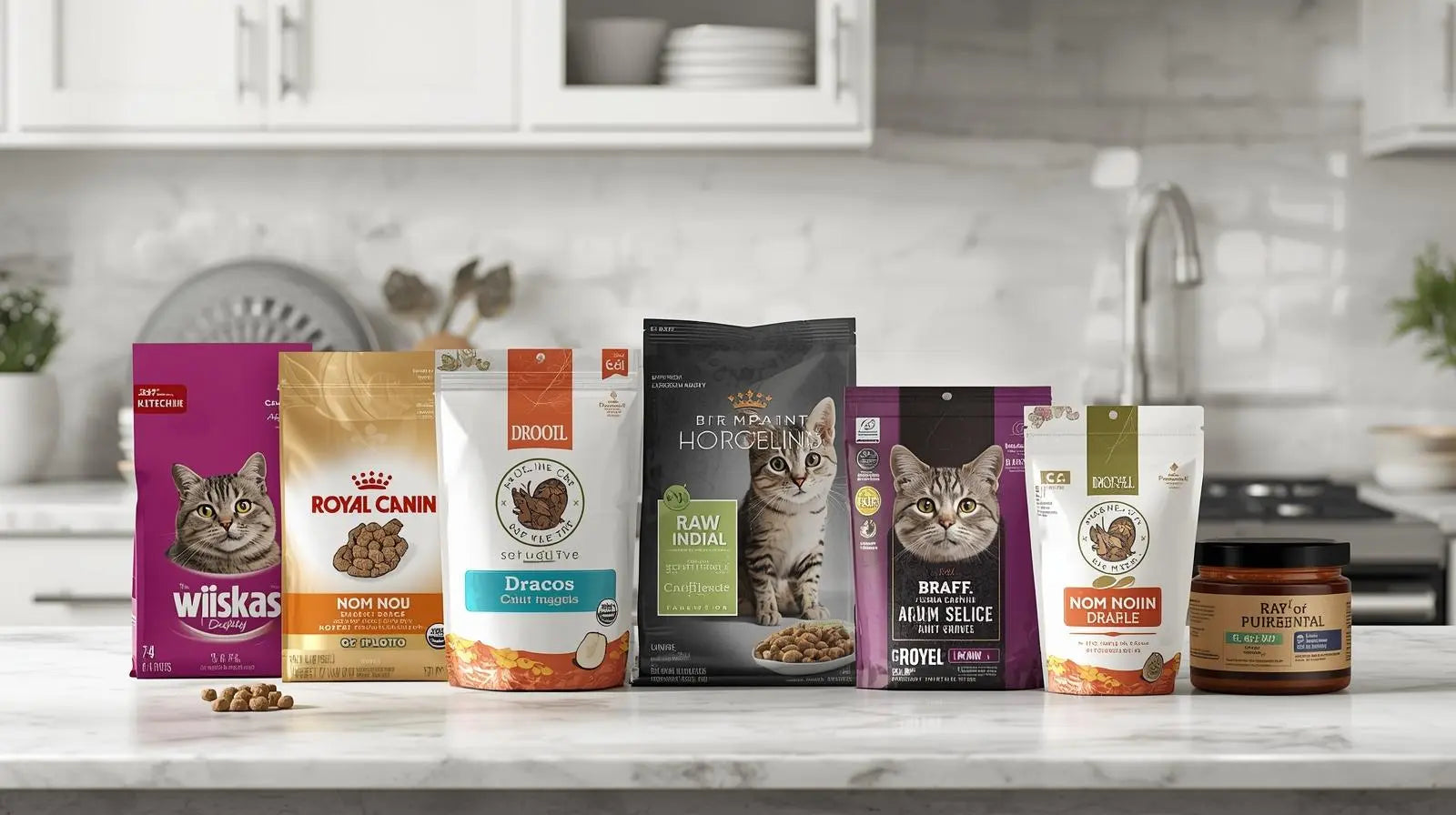
What Is Ultra-Processed Cat Food?

Ill-Effects of Ultra-Processed Cat Food Begin at the Bowl

Ill-effects of ultra-processed cat food begin the moment your cat finishes their first bowl. Most cat owners do not realise that the shiny kibble or gel-coated wet food they serve daily may be one of the leading drivers of chronic feline illness. Ultra-processed cat food refers to products manufactured through multiple industrial techniques - extrusion, high-heat cooking, hydrogenation - that use synthetic additives, artificial flavours, and refined by-products. These are not simply 'cooked' foods; they are chemically reconstructed products far removed from what a cat's obligate carnivore physiology evolved to handle.

Definition: Under the NOVA food classification system, ultra-processed foods are industrial formulations made mostly from substances extracted from foods, with little or no intact original food remaining.

Why NOVA Classification Matters

The NOVA system, originally developed to classify human foods by degree of processing, is increasingly being applied to pet food. Kibble and most canned cat foods score in NOVA Group 4 - the ultra-processed category - because they contain emulsifiers, synthetic flavour enhancers, artificial colours, and chemical preservatives not found in whole food. Cats differ critically from humans and dogs in their metabolic pathways. They have a reduced capacity for glucuronidation - a liver detoxification process - making them uniquely sensitive to phenolic preservatives like BHA. Understanding this distinction is step one in evaluating feline diet risk.

Himalyan Cat Breed

Ill-Effects of Ultra-Processed Cat Food on Weight and Metabolism

Ill-Effects of Ultra-Processed Cat Food Include Skyrocketing Obesity Rates

Obesity is now the most common nutritional disorder in domestic cats. Kibble - the quintessential ultra-processed cat food - is consistently associated with elevated obesity risk. The combination of high caloric density, hyper-palatability from synthetic flavour enhancers, and low moisture content drives overconsumption. A landmark Frontiers in Veterinary Science review (2026) confirmed that feline obesity triggers a cascade of comorbidities: diabetes mellitus, osteoarthritis, urinary disorders, cardiomyopathy, and shortened lifespan.

The Diabetes Connection

Obesity is the single largest risk factor for feline diabetes mellitus - and ultra-processed diets are a key driver of obesity. The relationship is self-reinforcing: high-carbohydrate kibble triggers insulin resistance, which impairs body weight management, which worsens metabolic dysfunction further. Feline diabetes mirrors human Type 2 diabetes pathophysiology. Once beta-cell function is significantly impaired, management requires daily insulin injections. Early diet intervention is far more effective - and far cheaper - than disease management.

Why Carbohydrates in Ultra-Processed Cat Food Are Problematic

Cats lack amylase in their saliva and produce minimal pancreatic amylase. Unlike dogs or humans, they are metabolically poorly equipped for large carbohydrate loads. Dry kibble typically contains 30–50% carbohydrates - a nutrient cats have no physiological need for at these levels.

Purple label for Cooked Cat Food - Grain Free Chicken & Tuna Recipe (1.75kg | 7x250g) by www.barfindia.com. Features cat graphic, feeding guidelines, ingredients, safety info, and maker details. All-natural, preservative-free, family-owned brand.
An orange label for Cooked Cat Food – Grain-Free Buffalo & Chicken Recipe (1.75kg | 7x250g) from www.barfindia.com lists ingredients, feeding instructions, and safety info. A gray-striped cartoon cat stretches at the bottom left. Made in India.
Blue label for Cooked Cat Food - Grain-free Mackerel & Pork Recipe (1.75 kg, 7x250g) by www.barfindia.com. High protein, with ingredients and feeding instructions. Gray striped cat illustration; yellow safety info box on right.
Cooked Cat Food - Grain free Rabbit & Quail Recipe (1.75kg, 7x250g) label features ingredients, feeding and storage instructions, allergy warnings, manufacturer info (www.barfindia.com), and a gray tabby cat illustration on a pink background.
Yellow label for Sampler Pack - Gently Cooked Cat Food by www.barfindia.com, highlighting all-natural, preservative-free boneless chicken. Includes a cartoon cat, feeding guide, ingredients, storage tips, manufacturer info, and 250g net weight.
An infographic for www.barfindia.com’s Sampler Pack - Gently Cooked Cat Food shows five steps—Protein, Prep Produce, Cold Combine, Pack & Freeze, Test/Ship/Enjoy—with brief descriptions and illustrated icons for each.
Purple label for Cooked Cat Food - Grain Free Chicken & Tuna Recipe (1.75kg | 7x250g) by www.barfindia.com. Features cat graphic, feeding guidelines, ingredients, safety info, and maker details. All-natural, preservative-free, family-owned brand.
An orange label for Cooked Cat Food – Grain-Free Buffalo & Chicken Recipe (1.75kg | 7x250g) from www.barfindia.com lists ingredients, feeding instructions, and safety info. A gray-striped cartoon cat stretches at the bottom left. Made in India.
Blue label for Cooked Cat Food - Grain-free Mackerel & Pork Recipe (1.75 kg, 7x250g) by www.barfindia.com. High protein, with ingredients and feeding instructions. Gray striped cat illustration; yellow safety info box on right.
Cooked Cat Food - Grain free Rabbit & Quail Recipe (1.75kg, 7x250g) label features ingredients, feeding and storage instructions, allergy warnings, manufacturer info (www.barfindia.com), and a gray tabby cat illustration on a pink background.
Yellow label for Sampler Pack - Gently Cooked Cat Food by www.barfindia.com, highlighting all-natural, preservative-free boneless chicken. Includes a cartoon cat, feeding guide, ingredients, storage tips, manufacturer info, and 250g net weight.
An infographic for www.barfindia.com’s Sampler Pack - Gently Cooked Cat Food shows five steps—Protein, Prep Produce, Cold Combine, Pack & Freeze, Test/Ship/Enjoy—with brief descriptions and illustrated icons for each.

Cooked Cat Food - The Tasting Box.

Rs. 320.00
An orange label for Cooked Cat Food – Grain-Free Buffalo & Chicken Recipe (1.75kg | 7x250g) from www.barfindia.com lists ingredients, feeding instructions, and safety info. A gray-striped cartoon cat stretches at the bottom left. Made in India.
An infographic shows 5 safe steps for prepping Cooked Cat Food – Grain-Free Buffalo & Chicken Recipe (1.75kg | 7x250g) by www.barfindia.com: steam/thaw protein, wash/steam produce, cold combine, pack/freeze, test/ship/enjoy!.
Infographic displays daily portions for adult cats (2.7–7.2 kg) in grams/day for Cooked Cat Food – Grain-Free Buffalo & Chicken Recipe (1.75kg | 7x250g) by www.barfindia.com, with a cartoon cat and tips to adjust food for activity and treats.
Infographic for Cooked Cat Food – Grain-Free Buffalo & Chicken Recipe (1.75kg) from www.barfindia.com: Holistic vet-crafted, high-protein, 87% chicken, liver, eggs, mussels & oysters with veggies and healthy fats. Small batch made.
An orange label for Cooked Cat Food – Grain-Free Buffalo & Chicken Recipe (1.75kg | 7x250g) from www.barfindia.com lists ingredients, feeding instructions, and safety info. A gray-striped cartoon cat stretches at the bottom left. Made in India.
An infographic shows 5 safe steps for prepping Cooked Cat Food – Grain-Free Buffalo & Chicken Recipe (1.75kg | 7x250g) by www.barfindia.com: steam/thaw protein, wash/steam produce, cold combine, pack/freeze, test/ship/enjoy!.
Infographic displays daily portions for adult cats (2.7–7.2 kg) in grams/day for Cooked Cat Food – Grain-Free Buffalo & Chicken Recipe (1.75kg | 7x250g) by www.barfindia.com, with a cartoon cat and tips to adjust food for activity and treats.
Infographic for Cooked Cat Food – Grain-Free Buffalo & Chicken Recipe (1.75kg) from www.barfindia.com: Holistic vet-crafted, high-protein, 87% chicken, liver, eggs, mussels & oysters with veggies and healthy fats. Small batch made.

Premium Buffalo & Chicken Cat Food

Rs. 630.00
Purple label for Cooked Cat Food - Grain Free Chicken & Tuna Recipe (1.75kg | 7x250g) by www.barfindia.com. Features cat graphic, feeding guidelines, ingredients, safety info, and maker details. All-natural, preservative-free, family-owned brand.
Infographic for Cooked Cat Food - Grain Free Chicken & Tuna Recipe (1.75kg, 7x250g) by www.barfindia.com: Pie chart—87% meat & seafood, 9% fats/seeds/root veggies, 4% dark green veggies. Small batch, gently cooked, human-grade ingredients.
Purple label for Cooked Cat Food - Grain Free Chicken & Tuna Recipe (1.75kg | 7x250g) by www.barfindia.com. Features cat graphic, feeding guidelines, ingredients, safety info, and maker details. All-natural, preservative-free, family-owned brand.
Infographic for Cooked Cat Food - Grain Free Chicken & Tuna Recipe (1.75kg, 7x250g) by www.barfindia.com: Pie chart—87% meat & seafood, 9% fats/seeds/root veggies, 4% dark green veggies. Small batch, gently cooked, human-grade ingredients.

Cooked Cat Food: Premium Chicken & Tuna Cat Food

Rs. 590.00
A bright yellow
Infographic for Cooked Cat Food - Grain Free Chicken Recipe (1.75kg) by www.barfindia.com: 87% chicken, liver, eggs, mussels & oysters; 9% healthy fats, seeds & root veggies; 4% dark green veggies. Circular chart on yellow background.
Chart shows daily food portions (grams) for adult cats (2.7–7.2kg) for Cooked Cat Food - Grain Free Chicken Recipe by www.barfindia.com. Includes guidance, cartoon cat, and note to adjust for activity and treats. Pack: 1.75kg (7x250g).
Discover how www.barfindia.com's Cooked Cat Food - Grain Free Chicken Recipe (1.75kg, 7x250g) is made in five steps: select protein, prep produce, combine cold, pack & freeze, test & ship! Includes grain-free tips and vivid illustrations for each stage.
A plate with chicken breast, hearts, liver, mussels, shrimp, kidney, oysters, organic egg, and a creamy mix—each labeled as www.barfindia.com Cooked Cat Food - Grain Free Chicken Recipe ingredients.
A bright yellow
Infographic for Cooked Cat Food - Grain Free Chicken Recipe (1.75kg) by www.barfindia.com: 87% chicken, liver, eggs, mussels & oysters; 9% healthy fats, seeds & root veggies; 4% dark green veggies. Circular chart on yellow background.
Chart shows daily food portions (grams) for adult cats (2.7–7.2kg) for Cooked Cat Food - Grain Free Chicken Recipe by www.barfindia.com. Includes guidance, cartoon cat, and note to adjust for activity and treats. Pack: 1.75kg (7x250g).
Discover how www.barfindia.com's Cooked Cat Food - Grain Free Chicken Recipe (1.75kg, 7x250g) is made in five steps: select protein, prep produce, combine cold, pack & freeze, test & ship! Includes grain-free tips and vivid illustrations for each stage.
A plate with chicken breast, hearts, liver, mussels, shrimp, kidney, oysters, organic egg, and a creamy mix—each labeled as www.barfindia.com Cooked Cat Food - Grain Free Chicken Recipe ingredients.

Premium Chicken Cat Food

Rs. 475.00
Premium Mackerel & Pork Cat Food www.barfindia.com
Cooked Cat Food
Premium Mackerel & Pork Cat Food www.barfindia.com
Cooked Cat Food
Premium Mackerel & Pork Cat Food www.barfindia.com

Premium Mackerel & Pork Cat Food

Rs. 515.00
Cooked Cat Food - Grain free Rabbit & Quail Recipe (1.75kg, 7x250g) label features ingredients, feeding and storage instructions, allergy warnings, manufacturer info (www.barfindia.com), and a gray tabby cat illustration on a pink background.
Discover our Cooked Cat Food - Grain free Rabbit & Quail Recipe (1.75kg) by www.barfindia.com: 87% rabbit, quail, liver, eggs, mussels & oysters; small batch cooked for complete cat nutrition.
An infographic titled “Recommended Daily Portions: Adult Cat” displays daily amounts of Cooked Cat Food - Grain Free Rabbit & Quail Recipe (1.75kg, 7x250g) for cats from 2.7kg to 7.2kg, with tips on activity and supplement adjustments from www.barfindia.com.
A colorful infographic from www.barfindia.com shows the 5-step process of making Cooked Cat Food - Grain free Rabbit & Quail Recipe (1.75kg): protein cooking, prepping produce, cold combining, packing/freezing, then testing and delivery.
Premium Rabbit & Quail. www.barfindia.com
Cooked Cat Food - Grain free Rabbit & Quail Recipe (1.75kg, 7x250g) label features ingredients, feeding and storage instructions, allergy warnings, manufacturer info (www.barfindia.com), and a gray tabby cat illustration on a pink background.
Discover our Cooked Cat Food - Grain free Rabbit & Quail Recipe (1.75kg) by www.barfindia.com: 87% rabbit, quail, liver, eggs, mussels & oysters; small batch cooked for complete cat nutrition.
An infographic titled “Recommended Daily Portions: Adult Cat” displays daily amounts of Cooked Cat Food - Grain Free Rabbit & Quail Recipe (1.75kg, 7x250g) for cats from 2.7kg to 7.2kg, with tips on activity and supplement adjustments from www.barfindia.com.
A colorful infographic from www.barfindia.com shows the 5-step process of making Cooked Cat Food - Grain free Rabbit & Quail Recipe (1.75kg): protein cooking, prepping produce, cold combining, packing/freezing, then testing and delivery.
Premium Rabbit & Quail. www.barfindia.com

Premium Rabbit & Quail Cat Food

Rs. 680.00

How Ultra-Processed Cat Food Disrupts the Gut Microbiome

Ill-Effects of Ultra-Processed Cat Food on Digestive Health

The feline gut microbiome is a complex ecosystem. Diet is its primary shaping force. Research published in Frontiers in Microbiology found that cats fed processed kibble showed distinctly different microbiome profiles compared to those fed minimally processed diets - with altered bacterial taxa compositions that may affect immune function and systemic inflammation.

Kibble's low moisture content also slows gastric transit. Cats evolved to obtain the majority of their water from prey tissue. Dry food forces their kidneys to compensate for chronic low-grade dehydration - a physiological stress that compounds over years.

Additives That Disrupt Gut Balance

Carrageenan - a thickening agent common in wet cat foods - is associated with intestinal inflammation in animal studies. Emulsifiers like carboxymethylcellulose and polysorbate 80, studied in human research, disrupt the protective mucus layer of the gut lining. A 2023 review in Nutrients confirmed that ultra-processed food additives disrupt gut eubiosis - the healthy microbial balance - and promote low-grade systemic inflammation. Cats eating these diets daily are exposed to these disrupting agents at every meal.

Symptoms of Gut Disruption in Cats Fed Ultra-Processed Diets

• Chronic loose stools or alternating constipation and diarrhoea
• Increased vomiting frequency (beyond typical hairball episodes)
• Excessive flatulence or bloating
• Reduced appetite or selective eating
• Blood or mucus in stools

Advisory
Consider supplementing with a vet-approved feline probiotic if switching your cat from a kibble-only diet. The microbiome shift during transition can cause temporary digestive upset.

Exotic cat eating fresh cat food

LEARN MORE ABOUT INDIA'S NO.1 FRESH CAT FOOD

Start Fresh

Ill-Effects of Ultra-Processed Cat Food on Kidney Function

Chronic Kidney Disease Risk

Chronic kidney disease (CKD) affects an estimated 30–40% of cats over age 10. Dietary dehydration - a direct consequence of dry ultra-processed diets - is a leading contributing factor. Cats on kibble-only diets produce significantly more concentrated urine, placing sustained mechanical and chemical stress on renal tubules. A 2024 systematic review and meta-analysis confirmed that higher ultra-processed food intake is significantly associated with increased CKD risk (pooled log-hazard ratio = 0.17, p < 0.001). While this research focuses on humans, the mechanistic parallels for cats - chronic dehydration, phosphorus load, and inflammatory additives - are substantial.

Phosphorus Overload and Renal Stress

Many ultra-processed cat foods contain inorganic phosphate additives used as texturisers and preservatives. Inorganic phosphates are absorbed far more rapidly than organic phosphorus from whole food sources. In cats with even early-stage kidney dysfunction, phosphorus overload dramatically accelerates disease progression. The kidneys are also forced to filter synthetic preservatives, artificial colourings, and emulsifier residues continuously. Over years, this creates a cumulative toxin burden that progressively impairs renal filtration capacity.

Signs Your Cat May Have Diet-Related Kidney Stress

• Increased water consumption (polydipsia)
• Increased urination frequency
• Weight loss despite normal appetite • Lethargy and reduced grooming
• Vomiting, particularly in the morning

A fluffy brown tabby cat is lying on a wooden floor, sleeping peacefully with its eyes closed and head resting on the ground.NATURE HAS ALREADY GIVEN THE RECIPE. WE HAVE ONLY IMPLEMENTED IT

Ill-Effects of Ultra-Processed Cat Food on Dental and Oral Health

The Dental Myth of Kibble

A persistent marketing claim is that dry kibble 'cleans cats' teeth'. Veterinary dental research does not support this. Most cats shear kibble without significant chewing contact with the gumline - where dental disease originates. Ultra-processed diets rich in refined starches actually promote bacterial biofilm (plaque) formation. Cooked starches from ultra-processed foods create a sticky substrate that oral bacteria ferment into acids. This accelerates enamel erosion, gum inflammation (gingivitis), and periodontitis. By age three, an estimated 70% of cats show early dental disease - a statistic that correlates strongly with the dominance of processed diets.

AGEs and Oral Inflammation

High-temperature extrusion of cat food creates advanced glycation end-products (AGEs) - compounds formed when proteins and carbohydrates react under heat. AGEs are pro- inflammatory. In dogs, elevated AGE consumption was shown to increase serum AGE levels and systemic markers of inflammation. Similar research in cats is emerging but not yet conclusive. Oral inflammation rarely stays contained. Periodontal bacteria in cats have been associated with endocarditis, kidney infections, and systemic bacteraemia. Diet-driven dental disease is therefore not a cosmetic issue - it is a gateway to multi-organ impact.

Nutritional Deficiencies Caused by Ultra- Processed Cat Food

Taurine Deficiency and Heart Disease

Taurine is an essential amino acid for cats - they cannot synthesise sufficient amounts on their own. High-heat processing destroys taurine. Ultra-processed cat foods must therefore supplement synthetic taurine post-processing to meet AAFCO minimums. However, bioavailability of synthetic taurine is not equivalent to taurine from whole meat sources. Taurine deficiency causes dilated cardiomyopathy (DCM) - a potentially fatal heart condition - and retinal degeneration leading to blindness. Both are irreversible once established. This is not a theoretical risk; DCM outbreaks in cats have historically been traced to nutritionally deficient commercial diets.

Loss of Heat-Sensitive Nutrients

Extrusion temperatures often exceed 150°C. At these temperatures, a range of heat-sensitive vitamins are significantly degraded: Vitamin B1 (thiamine), Vitamin B6, Vitamin B12, Vitamin C, and specific antioxidants. Manufacturers compensate by adding synthetic vitamin premixes - but synthetic forms vary in bioavailability and stability. FDA advisories have flagged cases of thiamine deficiency in cats linked to commercially processed diets with insufficient vitamin B1 levels. Thiamine deficiency causes neurological symptoms including head pressing, ataxia, seizures, and can be fatal if untreated.

Key Nutrients Commonly Degraded by Ultra-Processing

• Taurine - critical for cardiac and retinal health
• Thiamine (Vitamin B1) - essential for neurological function
• Arachidonic acid - omega-6 fatty acid cats cannot synthesise
• Vitamin A - cats cannot convert beta-carotene; need preformed retinol
• Vitamin E - antioxidant protection, often degraded by oxidised fats

A light gray cat with green eyes sits in a wicker basket lined with a white cloth, looking slightly upward. Green leaves from a nearby plant are visible in the background.

Toxins, Preservatives, and Carcinogenic Risks in Ultra-Processed Cat Food

The BHA and BHT Problem

Butylated hydroxyanisole (BHA) and butylated hydroxytoluene (BHT) are synthetic antioxidants used to prevent fat oxidation in ultra-processed cat foods. Animal studies have linked both to tumour formation. BHA is listed as a possible human carcinogen by the National Toxicology Program. An EFSA FEEDAP Panel review (2021) specifically flagged concerns about BHA safety for cats due to their reduced glucuronidation capacity for phenolic compounds - stating that 'No specific information on metabolic fate of BHA has been made available for the feline species.' This is a red flag that demands caution.

Acrylamide, AGEs, and Heavy Metals

Acrylamide - a known carcinogen formed when starchy foods are heated above 120°C - is present in kibble at levels measurable by food science analysis. While regulatory limits for pet food are not as strictly enforced as for human food, chronic daily exposure accumulates over a cat's lifetime. Heavy metals including arsenic, lead, and cadmium have been detected in commercial kibble and canned cat diets in independent analyses. These bioaccumulate in renal and hepatic tissue over time, contributing to the organ damage pattern seen in ageing cats fed exclusively processed diets.

Chemical Additives to Actively Avoid in Cat Food Labels

• BHA (Butylated Hydroxyanisole) - potential carcinogen, poor cat metabolism
• BHT (Butylated Hydroxytoluene) - linked to liver and thyroid disruption
• Ethoxyquin - originally a pesticide; banned in EU and Australia for human food
• Carrageenan - linked to intestinal inflammation in animal studies
• Propylene glycol - banned in cat food in some regions; damages red blood cells
• Artificial dyes (Red 40, Yellow 5, Yellow 6) - no nutritional value, potential allergen triggers

Action Step
Flip your cat food bag right now. If you see BHA, BHT, ethoxyquin, or carrageenan, it qualifies as a high-risk ultra-processed product. Consider transitioning gradually to a whole-food wet diet.

Minimising the Ill-Effects of Ultra-Processed Cat Food

Ill-Effects of Ultra-Processed Cat Food Can Be Reduced with Better Choices

The goal is not perfect elimination of all processing - some level of processing is necessary for food safety and shelf stability. The goal is to move cats toward diets with fewer industrial additives, higher moisture content, and protein from named whole-animal sources. Transitioning abruptly can cause digestive upset. A slow 10–14 day transition - mixing increasing proportions of the new food into the old - allows the gut microbiome to adapt. Introducing wet food to a kibble-addicted cat may require patience and gradual palatability bridging.

An orange tabby cat lies on a veterinary examination table with an intravenous catheter in its front leg. The background shows medical equipment in a brightly lit clinic room.

What to Look for on Labels

Reading labels is the single highest-leverage skill a cat owner can develop. The first ingredient must be a named animal protein (chicken, turkey, salmon, beef). Avoid foods where the first ingredient is 'chicken meal' without a protein percentage guarantee, or where plant proteins (corn gluten, soy protein) appear in the top three.

Your 5-Point Cat Food Label Checklist

• Named animal protein listed first (e.g., 'Chicken', not 'Poultry'
• Moisture content stated - above 70% for wet food, 8–10% for dry
• No BHA, BHT, ethoxyquin, or carrageenan anywhere in ingredient list
• Taurine, Vitamin B1, and Vitamin A explicitly listed as added nutrients
• AAFCO or FEDIAF 'complete and balanced' statement for your cat's life stage

Diet Options That Reduce Risk

High-quality wet food (pate or minced format, not gel-based) with named protein as the primary ingredient is the most practical step for most cat owners. Freeze-dried or gently dehydrated raw diets offer higher nutrient retention but require careful handling for food safety. For cats already showing health effects - particularly urinary, renal, or metabolic issues - consult a board-certified veterinary nutritionist before switching. Prescription therapeutic diets may be appropriate for cats with existing organ disease. Unsupervised dietary shifts in cats with CKD can worsen phosphorus and protein imbalances if not calibrated correctly.

An infographic for Dog Treats Natural Omega 3 - Dehydrated Anchovies (100g) by www.barfindia.com, highlighting omega-3 benefits, zero preservatives, Indian sourcing, storage tips, contact info, plus fish and plant illustrations.
A wooden spoon filled with Dog Treats Natural Omega 3 - Dehydrated Anchovies (100 gms) by www.barfindia.com rests on a pile of similar treats.
Dog Treats Natural Omega 3 - Dehydrated Anchovies (100 gms) from www.barfindia.com: small silvery fish with visible eyes, closely arranged—ideal as natural omega-3 dog snacks.
A close-up of Dog Treats Natural Omega 3 - Dehydrated Anchovies (100 gms) by www.barfindia.com shows whole anchovies with eyes and fins, tightly packed—ideal natural, flavorful snacks for your dog.
An infographic for Dog Treats Natural Omega 3 - Dehydrated Anchovies (100g) by www.barfindia.com, highlighting omega-3 benefits, zero preservatives, Indian sourcing, storage tips, contact info, plus fish and plant illustrations.
A wooden spoon filled with Dog Treats Natural Omega 3 - Dehydrated Anchovies (100 gms) by www.barfindia.com rests on a pile of similar treats.
Dog Treats Natural Omega 3 - Dehydrated Anchovies (100 gms) from www.barfindia.com: small silvery fish with visible eyes, closely arranged—ideal as natural omega-3 dog snacks.
A close-up of Dog Treats Natural Omega 3 - Dehydrated Anchovies (100 gms) by www.barfindia.com shows whole anchovies with eyes and fins, tightly packed—ideal natural, flavorful snacks for your dog.

Dog Treats Natural Omega 3 - Dehydrated Anchovies - 100 gms.

Rs. 260.00
Dog Treats - Dehydrated Pork Hearts (60 gms) from www.barfindia.com are single-ingredient, all-natural pork heart treats with no additives or preservatives, packed in a white and pink resealable bag—perfect for your pet.
A white resealable bag with a pink label for www.barfindia.com Dog Treats - Dehydrated Pork Hearts (60 gms), displaying feeding guidelines, product benefits, convenience, and usage instructions.
Two pieces of dehydrated pork hearts from www.barfindia.com, dark brown and irregularly shaped, are displayed on a white background—ideal as single-ingredient dog treats. Product: Dog Treats - Dehydrated Pork Hearts - 60 gms.
Dog Treats - Dehydrated Pork Hearts (60 gms) from www.barfindia.com are single-ingredient, all-natural pork heart treats with no additives or preservatives, packed in a white and pink resealable bag—perfect for your pet.
A white resealable bag with a pink label for www.barfindia.com Dog Treats - Dehydrated Pork Hearts (60 gms), displaying feeding guidelines, product benefits, convenience, and usage instructions.
Two pieces of dehydrated pork hearts from www.barfindia.com, dark brown and irregularly shaped, are displayed on a white background—ideal as single-ingredient dog treats. Product: Dog Treats - Dehydrated Pork Hearts - 60 gms.

Dog Treats - Dehydrated Pork Hearts - 60 gms

Rs. 300.00
A white resealable pouch with a red label shows
A white resealable pouch from www.barfindia.com, with a red label showing feeding guidelines, product info, and serving instructions. Contains 60g dehydrated chicken hearts for dogs & cats, rich in taurine, made in India—best kept refrigerated.
A black bowl of Dehydrated Chicken Hearts - 60gms from www.barfindia.com is garnished with parsley and sits on a dark textured surface, surrounded by scattered herbs and spices.
A pile of small, dark, slightly yellowish Dehydrated Chicken Hearts - 60gms is spread on a white surface.
A white resealable pouch with a red label shows
A white resealable pouch from www.barfindia.com, with a red label showing feeding guidelines, product info, and serving instructions. Contains 60g dehydrated chicken hearts for dogs & cats, rich in taurine, made in India—best kept refrigerated.
A black bowl of Dehydrated Chicken Hearts - 60gms from www.barfindia.com is garnished with parsley and sits on a dark textured surface, surrounded by scattered herbs and spices.
A pile of small, dark, slightly yellowish Dehydrated Chicken Hearts - 60gms is spread on a white surface.

Dehydrated Chicken Hearts - 60gms

Rs. 250.00
A resealable pouch labeled
Dog Treats Buffalo Heart - 60gms by www.barfindia.com comes in a white resealable pouch with a red label showing feeding guidelines, product details, and care instructions. These natural Indian pet treats are healthy and convenient.
A hand holds a piece of Dog Treats Buffalo Heart - 60 gms by www.barfindia.com, with more natural buffalo heart treats in the background—ideal for your furry friend.
A hand holds a piece of Dog Treats Buffalo Heart - 60 gms by www.barfindia.com over a pile of similar air-dried treats—wholesome, natural snacks perfect for rewarding your dog.
Three pieces of Dog Treats Buffalo Heart - 60 gms from www.barfindia.com are arranged on a white background. Their rough, uneven texture and curled edges make them ideal natural treats for your dog.
A resealable pouch labeled
Dog Treats Buffalo Heart - 60gms by www.barfindia.com comes in a white resealable pouch with a red label showing feeding guidelines, product details, and care instructions. These natural Indian pet treats are healthy and convenient.
A hand holds a piece of Dog Treats Buffalo Heart - 60 gms by www.barfindia.com, with more natural buffalo heart treats in the background—ideal for your furry friend.
A hand holds a piece of Dog Treats Buffalo Heart - 60 gms by www.barfindia.com over a pile of similar air-dried treats—wholesome, natural snacks perfect for rewarding your dog.
Three pieces of Dog Treats Buffalo Heart - 60 gms from www.barfindia.com are arranged on a white background. Their rough, uneven texture and curled edges make them ideal natural treats for your dog.

Dog Treats Buffalo Heart - 60 gms

Rs. 250.00
The www.barfindia.com Dog Treats - Dehydrated Sardines 100 gms pack label shows sardines and leafy designs, lists health benefits, safe handling tips, contact info, and quality certifications.
A round wicker basket holds many dehydrated sardines (Dog Treats - Dehydrated Sardines - 100 gms pack) atop a dark surface.
The www.barfindia.com Dog Treats - Dehydrated Sardines 100 gms pack label shows sardines and leafy designs, lists health benefits, safe handling tips, contact info, and quality certifications.
A round wicker basket holds many dehydrated sardines (Dog Treats - Dehydrated Sardines - 100 gms pack) atop a dark surface.

Dog Treats - Dehydrated Sardines - 100 gms pack

Rs. 270.00
A pile of Dog Treats - Dehydrated Squids (pieces) - 60gms from www.barfindia.com on a white background, with a small colorful www.barfindia.com logo in the top right corner.

Dog Treats - Dehydrated Squids (pieces) - 60gms

Rs. 649.00

FAQ's Ill-Effects of Ultra-Processed Cat Food

What is ultra-processed cat food?

Ultra-processed cat food is any commercial cat food formulated primarily from industrial substances - synthetic flavours, artificial preservatives (BHA, BHT), rendered meat meals, refined grains, and chemical emulsifiers - that undergoes multiple high-heat manufacturing steps, stripping natural nutrients and replacing them with additives.

How quickly do ill-effects of ultra-processed cat food appear?

Some effects, like digestive upset or loose stool, can appear within days. Chronic conditions such as obesity, diabetes, kidney disease, and dental erosion develop over months to years of consistent feeding with highly processed diets.

Is dry kibble always ultra- processed?

Not every kibble is created equal, but the extrusion process used to make most dry cat food qualifies as ultra-processing. High- temperature extrusion destroys heat-sensitive nutrients, creates harmful AGEs (advanced glycation end-products), and significantly reduces moisture below a cat's physiological needs.

Can I reverse the ill-effects of ultra-processed cat food by switching diets?

Many ill-effects can be partially or fully reversed - especially early-stage obesity, digestive imbalance, and coat issues - when cats transition to high-moisture, minimally processed diets. Advanced organ damage (stage 3+ kidney disease) is generally irreversible.

What percentage of commercial cat food is ultra- processed?

The majority of mass-market dry and many wet cat foods qualify as ultra-processed under the NOVA classification. Independent estimates suggest 70–80% of commercially sold cat food in Western markets falls into this category.

Are artificial preservatives in cat food dangerous?

Studies have linked BHA and BHT to tumour formation and liver damage in animal models. Cats have a notably reduced capacity to metabolise phenolic compounds like BHA (EFSA, 2021), making them potentially more vulnerable than dogs or humans to chronic synthetic preservative exposure.

Does ultra-processed cat food cause urinary tract disease?

Dry ultra-processed diets are a well-established contributing factor to feline lower urinary tract disease (FLUTD). Low moisture content leads to concentrated urine, mineral crystal formation, and a higher risk of bladder stones and urethral blockages.

What should I look for in a healthier cat food alternative?

Prioritise: a named animal protein (chicken, salmon, turkey) as the first ingredient; moisture content above 70% (wet food); no artificial preservatives (BHA, BHT, ethoxyquin); no carrageenan or propylene glycol; and AAFCO or FEDIAF nutritional completeness statement for your cat's life stage.

Conclusion - The Ill-Effects of Ultra-Processed Cat Food Are Not Inevitable

The evidence is clear enough to act on, even if not every mechanistic pathway is fully mapped for cats yet. The ill-effects of ultra-processed cat food accumulate silently - obesity, insulin resistance, gut dysbiosis, renal stress, dental disease, nutritional deficiencies, and chronic toxin exposure - across years of daily feeding.

Cats are obligate carnivores with specific metabolic vulnerabilities: they cannot synthesise taurine or arachidonic acid; they have a limited capacity to detoxify phenolic preservatives; and they evolved to obtain hydration from prey, not from a water bowl beside a dry food dish. Ultra- processed cat food violates every one of these biological realities.

The good news: switching to a minimally processed, high-moisture, named-protein diet can reverse many of these ill-effects - particularly when caught before advanced organ disease sets in. The investment in better food now is categorically cheaper than managing chronic disease later.