Raw for Maximum Nutrition

Made in our own Kitchens

Human grade products

Raw for Maximum Nutrition

Made in our own kitchens

Human grade products

29 May 2026

Biologically Appropriate Cat Food: What It Really Means for Your Cat's Health

Discover what biologically appropriate cat food truly means, why cats are obligate carnivores, and how the BARF philosophy can transform your cat's long-term health naturally.

Cats eating from a bowl surrounded by fresh raw ingredients, illustrating biologically appropriate cat food

29 May 2026

Biologically Appropriate Cat Food: What It Really Means for Your Cat's Health

Discover what biologically appropriate cat food truly means, why cats are obligate carnivores, and how the BARF philosophy can transform your cat's long-term health naturally.

Lorem ipsum dolor sit amet, consectetur adipisicing elit, sed do eiusmod tempor incididunt ut labore et dolore magna aliqua. Ut enim ad minim veniam, quis nostrud exercitation ullamco laboris nisi ut aliquip ex ea commodo consequat. Duis aute irure dolor in reprehenderit in voluptate velit esse cillum dolore eu fugiat nulla pariatur.

What Is Biologically Appropriate Cat Food?

Biologically appropriate cat food is nutrition designed to mirror what cats would eat in the wild. Unlike generic commercial options loaded with fillers, it prioritises high-quality animal protein, natural moisture content, and minimal carbohydrates. It is built around one core idea: feed the cat based on what its biology demands.

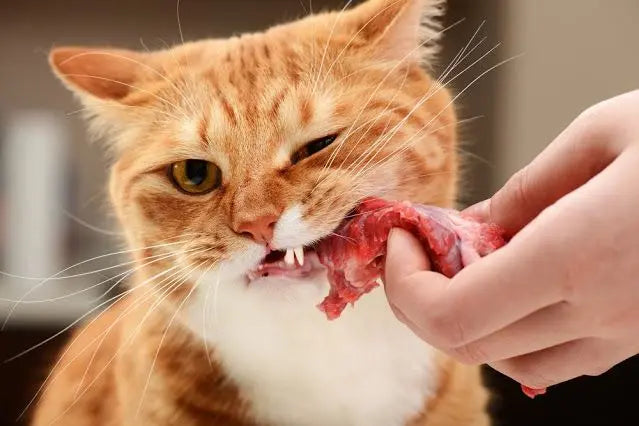
Cats are obligate carnivores. Every part of their anatomy - from their short digestive tract to their sharp, shearing teeth - is engineered to process meat. A biologically appropriate cat food diet works with this biology, not against it. Understanding that is the foundation of everything else.

Think of it this way: feeding a grain-heavy kibble to a cat is like offering a salad to a lion. The calories may be present, but the nutritional alignment simply is not there. Moreover, over years of misaligned feeding, the consequences show up as chronic illness, weight gain, and poor coat health.

Biologically Appropriate Cat Food

The Science Behind Cats as Obligate Carnivores

Biologically appropriate cat food starts with feline biology. Cats lack amylase in their saliva - the enzyme most mammals use to begin breaking down plant starches. Their digestive systems are simply not equipped to process carbohydrates efficiently.

Furthermore, a cat's liver cannot down-regulate protein metabolism. Unlike dogs or humans who adapt to lower-protein diets, cats need a constant, steady supply of animal-derived protein to maintain organ function and muscle mass. This makes protein sourcing critical in any biologically appropriate diet.

Cats also cannot synthesise taurine, arachidonic acid, or preformed vitamin A from plant sources. These are life-critical nutrients that must come directly from animal tissue. This biological reality is why biologically appropriate cat food focuses so heavily on whole meats and organ tissue - not supplements or plant-based substitutes.

Purple label for Cooked Cat Food - Grain Free Chicken & Tuna Recipe (1.75kg | 7x250g) by www.barfindia.com. Features cat graphic, feeding guidelines, ingredients, safety info, and maker details. All-natural, preservative-free, family-owned brand.
An orange label for Cooked Cat Food – Grain-Free Buffalo & Chicken Recipe (1.75kg | 7x250g) from www.barfindia.com lists ingredients, feeding instructions, and safety info. A gray-striped cartoon cat stretches at the bottom left. Made in India.
Blue label for Cooked Cat Food - Grain-free Mackerel & Pork Recipe (1.75 kg, 7x250g) by www.barfindia.com. High protein, with ingredients and feeding instructions. Gray striped cat illustration; yellow safety info box on right.
Cooked Cat Food - Grain free Rabbit & Quail Recipe (1.75kg, 7x250g) label features ingredients, feeding and storage instructions, allergy warnings, manufacturer info (www.barfindia.com), and a gray tabby cat illustration on a pink background.
Yellow label for Sampler Pack - Gently Cooked Cat Food by www.barfindia.com, highlighting all-natural, preservative-free boneless chicken. Includes a cartoon cat, feeding guide, ingredients, storage tips, manufacturer info, and 250g net weight.
An infographic for www.barfindia.com’s Sampler Pack - Gently Cooked Cat Food shows five steps—Protein, Prep Produce, Cold Combine, Pack & Freeze, Test/Ship/Enjoy—with brief descriptions and illustrated icons for each.
Purple label for Cooked Cat Food - Grain Free Chicken & Tuna Recipe (1.75kg | 7x250g) by www.barfindia.com. Features cat graphic, feeding guidelines, ingredients, safety info, and maker details. All-natural, preservative-free, family-owned brand.
An orange label for Cooked Cat Food – Grain-Free Buffalo & Chicken Recipe (1.75kg | 7x250g) from www.barfindia.com lists ingredients, feeding instructions, and safety info. A gray-striped cartoon cat stretches at the bottom left. Made in India.
Blue label for Cooked Cat Food - Grain-free Mackerel & Pork Recipe (1.75 kg, 7x250g) by www.barfindia.com. High protein, with ingredients and feeding instructions. Gray striped cat illustration; yellow safety info box on right.
Cooked Cat Food - Grain free Rabbit & Quail Recipe (1.75kg, 7x250g) label features ingredients, feeding and storage instructions, allergy warnings, manufacturer info (www.barfindia.com), and a gray tabby cat illustration on a pink background.
Yellow label for Sampler Pack - Gently Cooked Cat Food by www.barfindia.com, highlighting all-natural, preservative-free boneless chicken. Includes a cartoon cat, feeding guide, ingredients, storage tips, manufacturer info, and 250g net weight.
An infographic for www.barfindia.com’s Sampler Pack - Gently Cooked Cat Food shows five steps—Protein, Prep Produce, Cold Combine, Pack & Freeze, Test/Ship/Enjoy—with brief descriptions and illustrated icons for each.

Sampler Pack - Gently Cooked Cat Food

Rs. 320.00
An orange label for Cooked Cat Food – Grain-Free Buffalo & Chicken Recipe (1.75kg | 7x250g) from www.barfindia.com lists ingredients, feeding instructions, and safety info. A gray-striped cartoon cat stretches at the bottom left. Made in India.
An infographic shows 5 safe steps for prepping Cooked Cat Food – Grain-Free Buffalo & Chicken Recipe (1.75kg | 7x250g) by www.barfindia.com: steam/thaw protein, wash/steam produce, cold combine, pack/freeze, test/ship/enjoy!.
Infographic displays daily portions for adult cats (2.7–7.2 kg) in grams/day for Cooked Cat Food – Grain-Free Buffalo & Chicken Recipe (1.75kg | 7x250g) by www.barfindia.com, with a cartoon cat and tips to adjust food for activity and treats.
Infographic for Cooked Cat Food – Grain-Free Buffalo & Chicken Recipe (1.75kg) from www.barfindia.com: Holistic vet-crafted, high-protein, 87% chicken, liver, eggs, mussels & oysters with veggies and healthy fats. Small batch made.
An orange label for Cooked Cat Food – Grain-Free Buffalo & Chicken Recipe (1.75kg | 7x250g) from www.barfindia.com lists ingredients, feeding instructions, and safety info. A gray-striped cartoon cat stretches at the bottom left. Made in India.
An infographic shows 5 safe steps for prepping Cooked Cat Food – Grain-Free Buffalo & Chicken Recipe (1.75kg | 7x250g) by www.barfindia.com: steam/thaw protein, wash/steam produce, cold combine, pack/freeze, test/ship/enjoy!.
Infographic displays daily portions for adult cats (2.7–7.2 kg) in grams/day for Cooked Cat Food – Grain-Free Buffalo & Chicken Recipe (1.75kg | 7x250g) by www.barfindia.com, with a cartoon cat and tips to adjust food for activity and treats.
Infographic for Cooked Cat Food – Grain-Free Buffalo & Chicken Recipe (1.75kg) from www.barfindia.com: Holistic vet-crafted, high-protein, 87% chicken, liver, eggs, mussels & oysters with veggies and healthy fats. Small batch made.

Cooked Cat Food – Grain-Free Buffalo & Chicken Recipe (1.75kg | 7x250g)

Rs. 2,100.00
Purple label for Cooked Cat Food - Grain Free Chicken & Tuna Recipe (1.75kg | 7x250g) by www.barfindia.com. Features cat graphic, feeding guidelines, ingredients, safety info, and maker details. All-natural, preservative-free, family-owned brand.
Infographic for Cooked Cat Food - Grain Free Chicken & Tuna Recipe (1.75kg, 7x250g) by www.barfindia.com: Pie chart—87% meat & seafood, 9% fats/seeds/root veggies, 4% dark green veggies. Small batch, gently cooked, human-grade ingredients.
Purple label for Cooked Cat Food - Grain Free Chicken & Tuna Recipe (1.75kg | 7x250g) by www.barfindia.com. Features cat graphic, feeding guidelines, ingredients, safety info, and maker details. All-natural, preservative-free, family-owned brand.
Infographic for Cooked Cat Food - Grain Free Chicken & Tuna Recipe (1.75kg, 7x250g) by www.barfindia.com: Pie chart—87% meat & seafood, 9% fats/seeds/root veggies, 4% dark green veggies. Small batch, gently cooked, human-grade ingredients.

Cooked Cat Food - Grain Free Chicken & Tuna Recipe. 1.75kg | 7x250g

Rs. 1,995.00
A bright yellow
Infographic for Cooked Cat Food - Grain Free Chicken Recipe (1.75kg) by www.barfindia.com: 87% chicken, liver, eggs, mussels & oysters; 9% healthy fats, seeds & root veggies; 4% dark green veggies. Circular chart on yellow background.
Chart shows daily food portions (grams) for adult cats (2.7–7.2kg) for Cooked Cat Food - Grain Free Chicken Recipe by www.barfindia.com. Includes guidance, cartoon cat, and note to adjust for activity and treats. Pack: 1.75kg (7x250g).
Discover how www.barfindia.com's Cooked Cat Food - Grain Free Chicken Recipe (1.75kg, 7x250g) is made in five steps: select protein, prep produce, combine cold, pack & freeze, test & ship! Includes grain-free tips and vivid illustrations for each stage.
A plate with chicken breast, hearts, liver, mussels, shrimp, kidney, oysters, organic egg, and a creamy mix—each labeled as www.barfindia.com Cooked Cat Food - Grain Free Chicken Recipe ingredients.
A bright yellow
Infographic for Cooked Cat Food - Grain Free Chicken Recipe (1.75kg) by www.barfindia.com: 87% chicken, liver, eggs, mussels & oysters; 9% healthy fats, seeds & root veggies; 4% dark green veggies. Circular chart on yellow background.
Chart shows daily food portions (grams) for adult cats (2.7–7.2kg) for Cooked Cat Food - Grain Free Chicken Recipe by www.barfindia.com. Includes guidance, cartoon cat, and note to adjust for activity and treats. Pack: 1.75kg (7x250g).
Discover how www.barfindia.com's Cooked Cat Food - Grain Free Chicken Recipe (1.75kg, 7x250g) is made in five steps: select protein, prep produce, combine cold, pack & freeze, test & ship! Includes grain-free tips and vivid illustrations for each stage.
A plate with chicken breast, hearts, liver, mussels, shrimp, kidney, oysters, organic egg, and a creamy mix—each labeled as www.barfindia.com Cooked Cat Food - Grain Free Chicken Recipe ingredients.

Cooked Cat Food - Grain Free Chicken Recipe - 1.75kg (7x250g)

Rs. 1,780.00
Blue label for Cooked Cat Food - Grain-free Mackerel & Pork Recipe (1.75 kg, 7x250g) by www.barfindia.com. High protein, with ingredients and feeding instructions. Gray striped cat illustration; yellow safety info box on right.
A circular infographic features www.barfindia.com’s Cooked Cat Food - Grain-free Mackerel & Pork Recipe: 87% pork, mackerel & organs; 4% dark green veggies; 9% healthy fats, seeds & roots—ideal for raw feeding. Pack: 1.75 kg (7x250g).
Nutrition details for www.barfindia.com's Cooked Cat Food - Grain-free Mackerel & Pork Recipe (1.75 kg), including ingredients such as pork, mackerel, and spinach; macronutrient content, calorie sources, energy analysis, and omega-6/omega-3 ratio.
Infographic: How to prepare www.barfindia.com Cooked Cat Food - Grain-free Mackerel & Pork Recipe (1.75 kg)—steam/freeze protein, prep produce, mix with omega-3 oil, portion and freeze, then test before serving your cat.
Infographic shows daily portion ranges of Cooked Cat Food - Grain-free Mackerel & Pork Recipe by www.barfindia.com for adult cats from 2.7kg to 7.2kg, with cartoon cat and high-protein feeding advice. Pack: 1.75kg (7x250g).
Blue label for Cooked Cat Food - Grain-free Mackerel & Pork Recipe (1.75 kg, 7x250g) by www.barfindia.com. High protein, with ingredients and feeding instructions. Gray striped cat illustration; yellow safety info box on right.
A circular infographic features www.barfindia.com’s Cooked Cat Food - Grain-free Mackerel & Pork Recipe: 87% pork, mackerel & organs; 4% dark green veggies; 9% healthy fats, seeds & roots—ideal for raw feeding. Pack: 1.75 kg (7x250g).
Nutrition details for www.barfindia.com's Cooked Cat Food - Grain-free Mackerel & Pork Recipe (1.75 kg), including ingredients such as pork, mackerel, and spinach; macronutrient content, calorie sources, energy analysis, and omega-6/omega-3 ratio.
Infographic: How to prepare www.barfindia.com Cooked Cat Food - Grain-free Mackerel & Pork Recipe (1.75 kg)—steam/freeze protein, prep produce, mix with omega-3 oil, portion and freeze, then test before serving your cat.
Infographic shows daily portion ranges of Cooked Cat Food - Grain-free Mackerel & Pork Recipe by www.barfindia.com for adult cats from 2.7kg to 7.2kg, with cartoon cat and high-protein feeding advice. Pack: 1.75kg (7x250g).

Cooked Cat Food - Grain-free Mackerel & Pork Recipe - 1.75 kg (7x250g)

Rs. 1,950.00
Cooked Cat Food - Grain free Rabbit & Quail Recipe (1.75kg, 7x250g) label features ingredients, feeding and storage instructions, allergy warnings, manufacturer info (www.barfindia.com), and a gray tabby cat illustration on a pink background.
Discover our Cooked Cat Food - Grain free Rabbit & Quail Recipe (1.75kg) by www.barfindia.com: 87% rabbit, quail, liver, eggs, mussels & oysters; small batch cooked for complete cat nutrition.
An infographic titled “Recommended Daily Portions: Adult Cat” displays daily amounts of Cooked Cat Food - Grain Free Rabbit & Quail Recipe (1.75kg, 7x250g) for cats from 2.7kg to 7.2kg, with tips on activity and supplement adjustments from www.barfindia.com.
A colorful infographic from www.barfindia.com shows the 5-step process of making Cooked Cat Food - Grain free Rabbit & Quail Recipe (1.75kg): protein cooking, prepping produce, cold combining, packing/freezing, then testing and delivery.
Cooked Cat Food - Grain free Rabbit & Quail Recipe (1.75kg, 7x250g) label features ingredients, feeding and storage instructions, allergy warnings, manufacturer info (www.barfindia.com), and a gray tabby cat illustration on a pink background.
Discover our Cooked Cat Food - Grain free Rabbit & Quail Recipe (1.75kg) by www.barfindia.com: 87% rabbit, quail, liver, eggs, mussels & oysters; small batch cooked for complete cat nutrition.
An infographic titled “Recommended Daily Portions: Adult Cat” displays daily amounts of Cooked Cat Food - Grain Free Rabbit & Quail Recipe (1.75kg, 7x250g) for cats from 2.7kg to 7.2kg, with tips on activity and supplement adjustments from www.barfindia.com.
A colorful infographic from www.barfindia.com shows the 5-step process of making Cooked Cat Food - Grain free Rabbit & Quail Recipe (1.75kg): protein cooking, prepping produce, cold combining, packing/freezing, then testing and delivery.

Cooked Cat Food - Grain free Rabbit & Quail Recipe – 1.75kg (7x250g)

Rs. 2,350.00

Why Most Commercial Cat Food Falls Short of Being Biologically Appropriate

Not all commercial pet food is created equal. Many conventional dry kibbles are formulated with corn, wheat, soy, and other plant-based fillers. These are inexpensive ingredients that pad out calorie counts but offer very little aligned nutrition for a cat's actual physiology.

Biologically appropriate cat food stands in sharp contrast. Standard kibble typically contains 30–50% carbohydrates. A cat's natural prey diet, by comparison, contains less than 5% carbohydrates. That nutritional mismatch, sustained over years, is directly linked to rising rates of feline obesity, diabetes, and chronic kidney disease.

Additionally, the high-heat extrusion process used to manufacture dry kibble destroys heat- sensitive nutrients - particularly taurine, beneficial enzymes, and naturally occurring moisture. Manufacturers add synthetic versions back in post-processing, but their bioavailability rarely matches that of naturally occurring forms found in fresh, biologically appropriate ingredients.

LEARN MORE ABOUT INDIA'S NO.1 FRESH CAT FOOD

Start Fresh

Introducing the BARF Philosophy for Biologically Appropriate Cat Feeding

The BARF philosophy - Biologically Appropriate Raw Food - is the most widely practised framework in natural cat feeding today. Popularised by Australian veterinarian Dr. Ian Billinghurst, BARF takes the principle of biologically appropriate cat food and gives it a practical, whole-food structure.

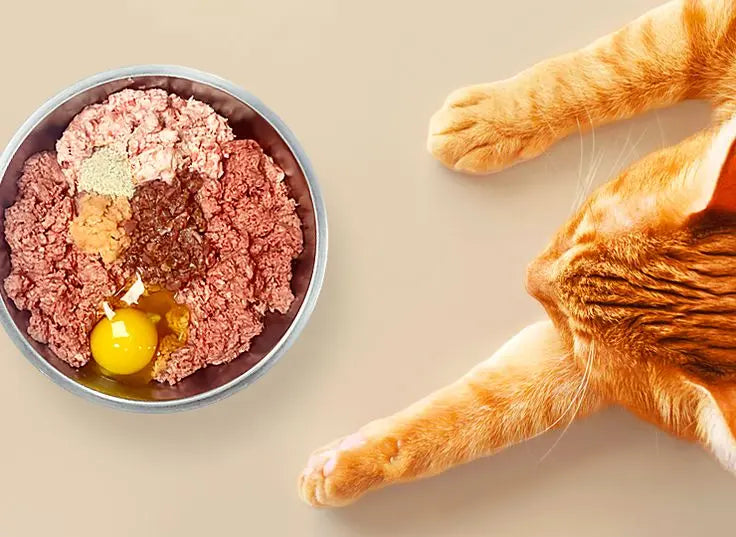
 At its core, a BARF-aligned diet consists of raw muscle meat, raw meaty bones, organ meat, and a small proportion of vegetables or fermented plant matter. The goal is to replicate, as closely as possible, the complete nutritional profile of whole prey that a cat would naturally hunt and consume.

BARF is not a passing trend. It is a feeding philosophy rooted in evolutionary feline nutrition. Moreover, cat owners who have transitioned to BARF consistently report dramatic improvements in coat condition, digestion, energy levels, and litter box output - measurable signs that biologically appropriate cat food is making a real difference.

Biologically appropriate Cat FoodNATURE HAS ALREADY GIVEN THE RECIPE. WE HAVE ONLY IMPLEMENTED IT

Key Ingredients in a Biologically Appropriate Cat Diet

Understanding what goes into biologically appropriate cat food helps you make better choices at the store or when preparing food at home. A balanced raw or BARF diet is built around these core components:

Muscle Meat (70–80%): Chicken, turkey, rabbit, duck, or beef. Rich in complete protein, B vitamins, and zinc. This is the primary energy and amino acid source.
Organ Meat (10%): Liver and kidney are nutritional powerhouses - providing vitamin A, iron, copper, and B12. Limit liver to around 10% of the total diet to avoid vitamin A excess.
Raw Meaty Bones (10–15%): Natural source of calcium and phosphorus. They also support dental health by mechanically removing plaque and tartar.
Secreting Organs (5%): Spleen, pancreas, or thymus add trace minerals and digestive enzymes not found in muscle meat alone.

Biologically appropriate cat food prepared this way is naturally moisture-rich - typically 65–70% water content - closely matching the hydration profile of whole prey. This is critically important because cats have a low thirst drive and rely on food moisture to meet their daily hydration needs.

Raw vs. Gently Cooked: Which Is Best for Biologically Appropriate Cat Food?

Biologically appropriate cat food can be served either raw or gently cooked, and both have their merits depending on your comfort level and your cat's specific health status. Raw feeding is considered the gold standard among BARF practitioners. It preserves natural enzymes, retains full moisture content, and maintains the nutritional integrity of all ingredients. 

However, raw food does carry some risk of bacterial contamination - particularly Salmonella and Listeria - if not sourced from quality suppliers and handled with care.

 Gently cooked biologically appropriate cat food offers a balanced middle ground. Cooking at low temperatures (below 70°C) eliminates most pathogen risks while retaining significantly more nutrition than high-heat kibble processing. Many integrative and holistic veterinarians recommend this approach for immune-compromised cats, senior cats, or kittens.

Biologically appropriate Cat Foods

How to Transition Your Cat to Biologically Appropriate Cat Food

Transitioning to biologically appropriate cat food requires patience. Cats are neophobic by nature - they can be extremely resistant to new foods, especially if they have been eating the same kibble for years. Rushing the process typically leads to digestive upset and food refusal.

Start gradually. In the first week, mix 10–20% of the new biologically appropriate food with 80–90% of the current diet. Every 5–7 days, increase the proportion of the new food by another 10–15%. Over 3–4 weeks, most cats adjust without significant digestive issues.

For stubborn kibble addicts, try warming the new food slightly to enhance its aroma, or adding a small amount of low-sodium chicken broth as a topper. Additionally, introducing a quality digestive enzyme supplement during the transition period can ease the adjustment and improve nutrient absorption from the new biologically appropriate cat food immediately.

Common Myths About Biologically Appropriate Cat Food - Debunked

Several persistent myths discourage cat owners from exploring biologically appropriate cat food. Let's set the record straight on the most common ones.

Myth 1: "Raw food is always dangerous for cats."

Fact: Cats evolved with shorter digestive tracts and stronger gastric acid than humans - making them naturally more resilient to pathogens like Salmonella. Quality sourcing, proper handling, and freezing protocols minimise risk to well within acceptable ranges for healthy adult cats.

Myth 2: "Biologically appropriate diets are too expensive."

Fact: Biologically appropriate cat food can be cost-effective when sourced in bulk or prepared at home. Furthermore, cats fed biologically aligned diets often experience fewer chronic health issues - meaning significantly lower veterinary bills over their lifetime.

Myth 3: "Cats do fine on commercial food - why change?"

Fact: Many cats survive on commercial food, but surviving and thriving are not the same. Biologically appropriate cat food aims to optimise long-term health - not just meet minimum nutritional standards. The difference often becomes visible within weeks of switching.

Biologically appropriate Cat Food
An infographic for Dog Treats Natural Omega 3 - Dehydrated Anchovies (100g) by www.barfindia.com, highlighting omega-3 benefits, zero preservatives, Indian sourcing, storage tips, contact info, plus fish and plant illustrations.
A wooden spoon filled with Dog Treats Natural Omega 3 - Dehydrated Anchovies (100 gms) by www.barfindia.com rests on a pile of similar treats.
Dog Treats Natural Omega 3 - Dehydrated Anchovies (100 gms) from www.barfindia.com: small silvery fish with visible eyes, closely arranged—ideal as natural omega-3 dog snacks.
A close-up of Dog Treats Natural Omega 3 - Dehydrated Anchovies (100 gms) by www.barfindia.com shows whole anchovies with eyes and fins, tightly packed—ideal natural, flavorful snacks for your dog.
An infographic for Dog Treats Natural Omega 3 - Dehydrated Anchovies (100g) by www.barfindia.com, highlighting omega-3 benefits, zero preservatives, Indian sourcing, storage tips, contact info, plus fish and plant illustrations.
A wooden spoon filled with Dog Treats Natural Omega 3 - Dehydrated Anchovies (100 gms) by www.barfindia.com rests on a pile of similar treats.
Dog Treats Natural Omega 3 - Dehydrated Anchovies (100 gms) from www.barfindia.com: small silvery fish with visible eyes, closely arranged—ideal as natural omega-3 dog snacks.
A close-up of Dog Treats Natural Omega 3 - Dehydrated Anchovies (100 gms) by www.barfindia.com shows whole anchovies with eyes and fins, tightly packed—ideal natural, flavorful snacks for your dog.

Dog Treats Natural Omega 3 - Dehydrated Anchovies - 100 gms.

Rs. 260.00
Dog Treats - Dehydrated Pork Hearts (60 gms) from www.barfindia.com are single-ingredient, all-natural pork heart treats with no additives or preservatives, packed in a white and pink resealable bag—perfect for your pet.
A white resealable bag with a pink label for www.barfindia.com Dog Treats - Dehydrated Pork Hearts (60 gms), displaying feeding guidelines, product benefits, convenience, and usage instructions.
Two pieces of dehydrated pork hearts from www.barfindia.com, dark brown and irregularly shaped, are displayed on a white background—ideal as single-ingredient dog treats. Product: Dog Treats - Dehydrated Pork Hearts - 60 gms.
Dog Treats - Dehydrated Pork Hearts (60 gms) from www.barfindia.com are single-ingredient, all-natural pork heart treats with no additives or preservatives, packed in a white and pink resealable bag—perfect for your pet.
A white resealable bag with a pink label for www.barfindia.com Dog Treats - Dehydrated Pork Hearts (60 gms), displaying feeding guidelines, product benefits, convenience, and usage instructions.
Two pieces of dehydrated pork hearts from www.barfindia.com, dark brown and irregularly shaped, are displayed on a white background—ideal as single-ingredient dog treats. Product: Dog Treats - Dehydrated Pork Hearts - 60 gms.

Dog Treats - Dehydrated Pork Hearts - 60 gms

Rs. 300.00
A white resealable pouch with a red label shows
A white resealable pouch from www.barfindia.com, with a red label showing feeding guidelines, product info, and serving instructions. Contains 60g dehydrated chicken hearts for dogs & cats, rich in taurine, made in India—best kept refrigerated.
A black bowl of Dehydrated Chicken Hearts - 60gms from www.barfindia.com is garnished with parsley and sits on a dark textured surface, surrounded by scattered herbs and spices.
A pile of small, dark, slightly yellowish Dehydrated Chicken Hearts - 60gms is spread on a white surface.
A white resealable pouch with a red label shows
A white resealable pouch from www.barfindia.com, with a red label showing feeding guidelines, product info, and serving instructions. Contains 60g dehydrated chicken hearts for dogs & cats, rich in taurine, made in India—best kept refrigerated.
A black bowl of Dehydrated Chicken Hearts - 60gms from www.barfindia.com is garnished with parsley and sits on a dark textured surface, surrounded by scattered herbs and spices.
A pile of small, dark, slightly yellowish Dehydrated Chicken Hearts - 60gms is spread on a white surface.

Dehydrated Chicken Hearts - 60gms

Rs. 250.00
A resealable pouch labeled
Dog Treats Buffalo Heart - 60gms by www.barfindia.com comes in a white resealable pouch with a red label showing feeding guidelines, product details, and care instructions. These natural Indian pet treats are healthy and convenient.
A hand holds a piece of Dog Treats Buffalo Heart - 60 gms by www.barfindia.com, with more natural buffalo heart treats in the background—ideal for your furry friend.
A hand holds a piece of Dog Treats Buffalo Heart - 60 gms by www.barfindia.com over a pile of similar air-dried treats—wholesome, natural snacks perfect for rewarding your dog.
Three pieces of Dog Treats Buffalo Heart - 60 gms from www.barfindia.com are arranged on a white background. Their rough, uneven texture and curled edges make them ideal natural treats for your dog.
A resealable pouch labeled
Dog Treats Buffalo Heart - 60gms by www.barfindia.com comes in a white resealable pouch with a red label showing feeding guidelines, product details, and care instructions. These natural Indian pet treats are healthy and convenient.
A hand holds a piece of Dog Treats Buffalo Heart - 60 gms by www.barfindia.com, with more natural buffalo heart treats in the background—ideal for your furry friend.
A hand holds a piece of Dog Treats Buffalo Heart - 60 gms by www.barfindia.com over a pile of similar air-dried treats—wholesome, natural snacks perfect for rewarding your dog.
Three pieces of Dog Treats Buffalo Heart - 60 gms from www.barfindia.com are arranged on a white background. Their rough, uneven texture and curled edges make them ideal natural treats for your dog.

Dog Treats Buffalo Heart - 60 gms

Rs. 250.00
The www.barfindia.com Dog Treats - Dehydrated Sardines 100 gms pack label shows sardines and leafy designs, lists health benefits, safe handling tips, contact info, and quality certifications.
A round wicker basket holds many dehydrated sardines (Dog Treats - Dehydrated Sardines - 100 gms pack) atop a dark surface.
The www.barfindia.com Dog Treats - Dehydrated Sardines 100 gms pack label shows sardines and leafy designs, lists health benefits, safe handling tips, contact info, and quality certifications.
A round wicker basket holds many dehydrated sardines (Dog Treats - Dehydrated Sardines - 100 gms pack) atop a dark surface.

Dog Treats - Dehydrated Sardines - 100 gms pack

Rs. 270.00
A pile of Dog Treats - Dehydrated Squids (pieces) - 60gms from www.barfindia.com on a white background, with a small colorful www.barfindia.com logo in the top right corner.

Dog Treats - Dehydrated Squids (pieces) - 60gms

Rs. 649.00

FAQ's - 8 Common Questions About Biologically Appropriate Cat Food

What does 'biologically appropriate' mean in cat food?

Biologically appropriate cat food refers to a diet that mirrors what cats would naturally eat in the wild - primarily animal protein, moisture-rich whole ingredients, and minimal to zero carbohydrates. It is built around a cat's evolutionary biology as an obligate carnivore.

Is BARF the same as biologically appropriate cat food?

BARF (Biologically Appropriate Raw Food) is one specific approach within the broader biologically appropriate feeding philosophy. It emphasises raw, whole-food ingredients including raw meaty bones and organ meat. All BARF diets are biologically appropriate, but not all biologically appropriate cat food is strictly BARF.

Can I feed my kitten a biologically appropriate diet?

Yes, but with careful attention to nutrient ratios. Kittens have higher protein, calorie, and calcium needs than adult cats. It is strongly recommended to consult a feline nutritionist or integrative vet before starting a raw or BARF diet for kittens under 12 weeks old.

How do I know if my cat is thriving on biologically appropriate cat food?

Key signs of improvement include a noticeably shinier coat, healthy weight maintenance, better digestion with smaller and firmer stools, increased energy and playfulness, and improved hydration. Most owners report visible changes within 3–8 weeks of switching.

Is biologically appropriate cat food safe for older or senior cats?

Generally yes. Many senior cats show improvements in mobility, coat condition, and vitality after switching. However, cats with pre-existing conditions such as chronic kidney disease, hyperthyroidism, or pancreatitis should have their biologically appropriate diet individually tailored in consultation with a veterinarian.

Does biologically appropriate cat food need supplements?

A properly balanced, varied raw diet should provide most essential nutrients naturally. That said, omega-3 fatty acids (from wild-caught fish oil) and vitamin E are commonly recommended as supportive additions - particularly when feeding a limited variety of protein sources.

Where can I buy or source biologically appropriate cat food?

You can find commercial raw, freeze-dried, and gently cooked options at specialist pet nutrition retailers and online stores. Alternatively, many cat owners prepare BARF meals at home using sourced raw meats, organs, and bones. [See our full product range for ready-made options.]

How much does biologically appropriate cat food cost per month?

Costs depend on your cat's size, the protein sources chosen, and whether you buy commercial or home-prepare. Home-prepared BARF in India typically ranges from ₹3,000–₹8,000 per month. Premium commercial raw or freeze-dried options may cost more but offer greater convenience and guaranteed nutritional balance.

Conclusion - Start Your Cat's Journey with Biologically Appropriate Cat Food Today

Understanding what biologically appropriate cat food truly means is the single most powerful first step you can take toward giving your cat a longer, healthier, and more vibrant life.

From the foundational science of obligate carnivore biology to the practical, accessible framework of the BARF philosophy, the evidence consistently points in one direction: cats thrive when their diet reflects their evolutionary design. Carbohydrates, plant fillers, and synthetic nutrients are simply not part of that design.

Whether you choose a fully raw BARF diet, a gently cooked approach, or a premium commercial biologically appropriate cat food, the commitment to feeding your cat what its body was built for is one of the most meaningful choices you can make as a pet owner. Start small, stay consistent, monitor the changes - and watch your cat genuinely flourish.