Raw for Maximum Nutrition
Made in our own Kitchens
Human grade products
29 May 2026
The Evolutionary Diet of Cats: What Wild Felines Teach Us About Nutrition
Discover the Prey Model diet for cats - rooted in wild feline evolution. Learn how raw, whole-prey feeding supports better digestion, weight, and long-term cat health.

29 May 2026
The Evolutionary Diet of Cats: What Wild Felines Teach Us About Nutrition
Discover the Prey Model diet for cats - rooted in wild feline evolution. Learn how raw, whole-prey feeding supports better digestion, weight, and long-term cat health.
Table of contents
• Origins of the Prey Model Diet:• What Is the Prey Model Diet? • The Anatomy of a Wild Cat• Why Kibble Falls Short • The Hidden Cost of Kibble • Carbohydrates and Cats • Building a Prey Model Diet • Transitioning Your Cat • FAQ's About the Prey Model• ConclusionDiscover the Prey Model diet for cats - rooted in wild feline evolution. Learn how raw, whole-prey feeding supports better digestion, weight, and long-term cat health.
The Origins of the Prey Model Diet: How Wild Cats Shaped Cat Nutrition
Prey Model diet thinking begins with one undeniable truth: cats are obligate carnivores. Unlike
dogs or humans, cats evolved over millions of years to thrive exclusively on whole animal prey.
Their digestive systems, metabolic pathways, and even their taste receptors developed with no
biological need for carbohydrates, grains, or plant matter.
Moreover, the domestic cat shares over 95% of its genetic makeup with wild felines like the
African wildcat (Felis silvestris lybica). This evolutionary closeness tells us something
profound. What wild cats eat is not just fascinating - it is the most reliable blueprint we have for
feline nutrition.
Why Evolution Is the Best Nutritionist
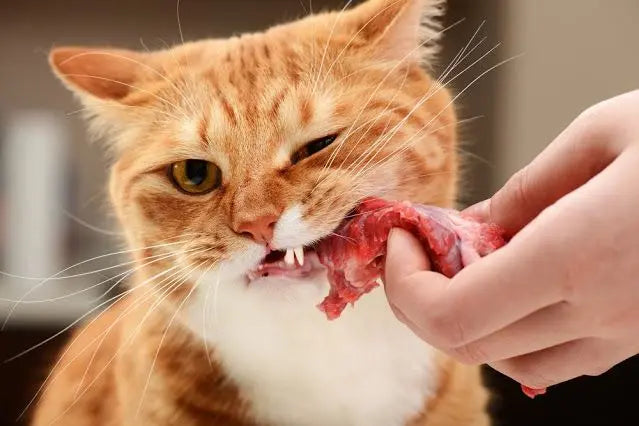
Wild felids from lions to ocelots consume whole prey - fur, feathers, bones, organs, and all.
Natural selection has fine-tuned this feeding pattern across millions of years. The Prey Model
diet draws directly from this legacy, rebuilding the modern cat's diet around the same ancestral
logic.
Furthermore, epidemiological evidence from feline veterinary research increasingly supports
species-appropriate raw feeding. Diet-related diseases - diabetes, obesity, urinary disorders -
are far less common in populations fed closer to their natural intake.

What Is the Prey Model Diet? Understanding a Carnivore's Blueprint
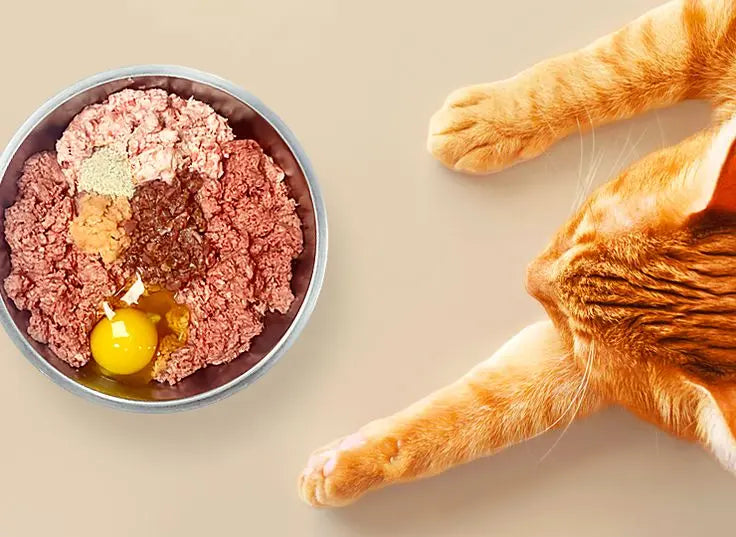
The Prey Model diet mimics what a cat would naturally consume in the wild. It centres on three
core components: raw muscle meat, raw meaty bones, and secreting organs. The guiding ratio
is 80/10/10 - 80% muscle meat, 10% raw bone, and 10% organ (with 5% of that being liver
specifically).
This framework deliberately eliminates processed ingredients, synthetic additives, and fillers.
There are no grains, no legumes, and no vegetables. The diet is built entirely on animal-based
nutrition, reflecting a cat's true metabolic requirements.
The 80/10/10 Ratio Explained
Each component in the Prey Model diet serves a precise nutritional role:
• Muscle meat (80%) - Primary protein and taurine source. Includes heart, which is
technically muscle.
• Raw bone (10%) - Supplies calcium, phosphorus, and supports dental health naturally.
• Secreting organs (10%) - Liver (5%) provides vitamins A and B12. Other organs
supply trace minerals.
Rotating proteins across the week - chicken, rabbit, quail, duck - ensures the Prey Model
diet delivers a complete and balanced nutritional profile without supplementation.
The Anatomy of a Wild Cat's Menu - Bones, Muscle, and Organs
In the wild, a cat devours its entire prey - feathers, fur, bones, and all. Each element serves a biological purpose. Muscle meat delivers protein and the essential amino acid taurine, which cats cannot synthesise and must obtain through food. Bones provide calcium and phosphorus in a naturally bioavailable ratio.
Why Organs Are Non-Negotiable in a Prey Model Diet
Organs are the most nutrient-dense components of any prey animal. The liver alone supplies vitamin A, vitamin B12, folate, iron, and zinc. The Prey Model diet treats organ meat as a functional superfood - not an optional add-on. Feeding the right organ ratio prevents both deficiency and toxicity. Additionally, fur and feathers in whole prey provide indigestible fibre that acts as a natural digestive brush. While raw feeders rarely replicate this exactly, high-quality raw meaty bones provide similar mechanical gut benefits.
LEARN MORE ABOUT INDIA'S NO.1 FRESH CAT FOOD
Start FreshWhy Commercial Cat Food Falls Short of the Prey Model Diet Standard
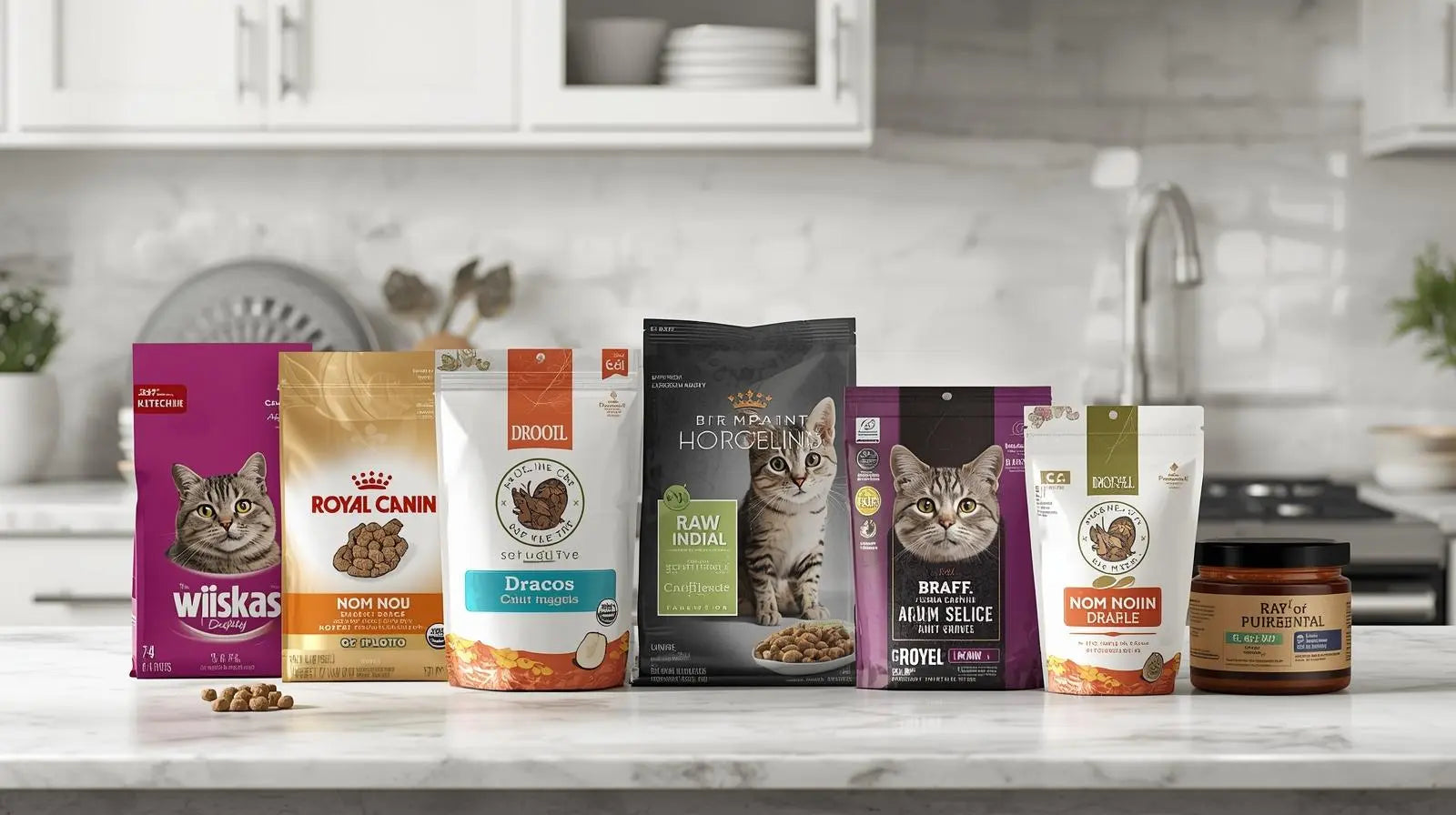
Most commercial pet food - even premium brands - relies on high-heat processing. Extrusion
temperatures above 120°C denature proteins, destroy heat-sensitive amino acids like taurine,
and eliminate naturally occurring digestive enzymes. Synthetic supplements are then added
back, but their bioavailability rarely matches whole-food sources.
Furthermore, ingredient quality is inconsistent. By-products, rendered meals, and undisclosed
fillers are standard in mid-range formulas. The Prey Model diet eliminates this uncertainty by
using single-ingredient, identifiable whole foods sourced directly from butchers or trusted raw
pet food suppliers.
How Processing Undermines Cat Nutrition
Beyond nutrients, processing alters food structure. Kibble's hard, dry form forces cats - who have low thirst drive - to live in a state of chronic mild dehydration. Wet foods improve moisture content but often still contain thickeners, starches, and synthetic vitamins. The Prey Model diet naturally delivers 65–75% moisture through raw meat, matching the hydration profile of whole prey.
 NATURE HAS ALREADY GIVEN THE RECIPE. WE HAVE ONLY IMPLEMENTED IT
The Hidden Cost of Kibble - What Your Cat Misses Without a Prey Model Diet
Kibble is convenient, but convenience has a cost. Most dry foods contain 30–50%
carbohydrates - a macronutrient cats have no efficient metabolic pathway to process. This can
contribute to feline obesity, type 2 diabetes, and chronic urinary tract disorders over time.
By contrast, the Prey Model diet keeps carbohydrates near zero. This mirrors the
macronutrient composition of whole prey animals. Small rodents - a cat's primary natural prey
- contain less than 2% digestible carbohydrate. That figure alone illustrates how far
commercial cat food has drifted from biological reality.
Long-Term Health Consequences of High-Carb Feeding
Research published in veterinary nutrition journals consistently links high-carbohydrate diets to increased insulin resistance in cats. Unlike humans or dogs, cats maintain a continuous hepatic gluconeogenesis process regardless of carbohydrate intake. This means their livers produce glucose even without dietary sugar, making additional carbohydrates entirely unnecessary - and potentially harmful.
Carbohydrates and Cats - An Evolutionary Mismatch the Prey Model Diet Corrects
Cats lack salivary amylase - the enzyme that begins carbohydrate digestion in humans. Their
intestinal amylase activity is also significantly lower than in omnivores. This is not a flaw; it is an
evolutionary feature. Cats simply were never designed to process plant-based starches.
Transitioning to the Prey Model diet removes this metabolic burden. Without carbohydrate
load, blood glucose remains stable, insulin demand decreases, and the pancreas experiences
less chronic stress. Many owners switching to raw report improvements in their cat's energy
levels and weight within the first month.
Protein vs Carbohydrate: What Cats Actually Use for Energy
Cats derive energy from protein and fat - not carbohydrates. Their metabolic machinery is optimised to break down amino acids for glucose through gluconeogenesis. Dietary carbohydrates are therefore redundant at best, disruptive at worst. The Prey Model diet aligns macronutrient delivery with how a cat's metabolism actually functions.

Building a Prey Model Diet Plan for Your Cat at Home
Starting the Prey Model diet requires planning, but it is far simpler than it appears. Your
foundation is the 80/10/10 ratio. Source proteins from varied whole animals: chicken, rabbit,
quail, duck, and turkey are all excellent choices. Rotating proteins over the week ensures
nutritional completeness without supplementation.
Begin with boneless muscle meat if your cat is new to raw feeding. Introduce raw meaty bones
gradually over two to three weeks. Always supervise bone-eating sessions, especially at the
start. Never feed cooked bones - only raw bones are safe and flexible enough for cats to
consume.
Weekly Prey Model Diet Meal Planning Guide
A practical weekly structure for the Prey Model diet might look like this:
• Days 1–2: Chicken thigh (muscle) + chicken neck (bone)
• Days 3–4: Turkey mince + chicken liver (5% of weekly total)
• Days 5–6: Rabbit hindquarters + beef kidney (organ variety)
• Day 7: Quail whole (naturally balanced prey model meal)
This rotation provides the variety needed to balance the Prey Model diet across the week.
Adjust portion sizes based on your cat's weight - typically 2–3% of ideal body weight per day.
Transitioning Your Cat to a Prey Model Diet Safely
Many cats - especially long-term kibble eaters - resist dietary change. A sudden switch can cause digestive upset or refusal. Transition slowly and strategically. Start by mixing a small amount of raw meat alongside their current food. Over two to four weeks, increase the raw ratio while reducing processed food.
Troubleshooting Common Prey Model Diet Transition Challenges
Some cats accept the Prey Model diet immediately. Others need encouragement. Try slightly
warming the meat to release aroma - cats are strongly guided by scent. Adding a small
amount of low-sodium tuna water or fish oil can also improve palatability. Patience and
consistency are the most important tools in any raw feeding transition.
Additionally, digestive changes during the first two weeks are normal. Stools may be smaller,
darker, and firmer than expected - this is a healthy sign of improved protein utilisation, not a
cause for concern. Monitor your cat's energy, coat condition, and stool quality as reliable
indicators of how well the transition is progressing.

FAQ's About the Prey Model Diet
Conclusion: Why the Prey Model Diet Is the Future of Cat Nutrition
The evidence is clear: cats thrive when fed in alignment with their evolutionary design. The Prey
Model diet is not a passing trend - it is a return to biological truth. Wild felines have been our
greatest teachers when it comes to understanding what domestic cats genuinely need to
flourish.
By adopting this approach, cat owners invest in long-term health. Better digestion, leaner body
condition, a shinier coat, improved dental health, and fewer vet visits are outcomes commonly
reported by raw feeders. The science, the evolution, and the results all point in the same
direction.
If you are ready to make the switch, start with small steps. Research your protein sources.
Consult a feline nutritionist. Connect with the raw feeding community. Above all, trust your cat's
ancestral biology - it has been perfected over millions of years. The Prey Model diet simply
honours that design.