Raw for Maximum Nutrition
Made in our own Kitchens
Human grade products
29 May 2026
Protein Percentage in Cat Food: Why Quality Beats Quantity Every Time
Protein percentage in cat food only tells part of the story. Discover why whole meats outperform protein isolates and what truly nourishes your cat for a longer, healthier life.

29 May 2026
Protein Percentage in Cat Food: Why Quality Beats Quantity Every Time
Protein percentage in cat food only tells part of the story. Discover why whole meats outperform protein isolates and what truly nourishes your cat for a longer, healthier life.
Table of contents
• Understanding Protein Percentage in Cat Food• Whole Meat vs. Protein Isolates - The Core Difference• Why Amino Acids Are the Real Measure of Protein Quality• The Protein Digestibility Score Cat Owners Should Know• How Protein Isolates Mask Nutrition Deficits• How to Read Cat Food Labels Like a Nutritionist• Common Myths About High-Protein Cat Food Debunked• Signs Your Cat Is Not Getting Enough Quality Protein• FAQ's - Protein In Cat Food• ConclusionUnderstanding Protein Percentage in Cat Food
What the Percentage on the Label Actually Means
Protein percentage in cat food refers to the crude protein measurement listed on the
Guaranteed Analysis panel. This number reflects the total nitrogen content of the food, not its
quality. Labs calculate it using the Kjeldahl method, which measures nitrogen and multiplies by
a conversion factor. Both high-quality whole meat and low-grade fillers can score identically on
that panel.
Moreover, labels do not distinguish between digestible and indigestible protein. A food loaded
with feathers or corn gluten meal can show an impressive percentage. Your cat's body,
however, cannot utilize these sources efficiently. The number on the label masks more than it
reveals - making educated ingredient reading essential.
Why a Higher Percentage Doesn't Always Mean Better Nutrition
Consider two cat foods: one showing 38% protein from whole chicken and another showing
42% from corn gluten and hydrolyzed feathers. The second food appears superior on paper. In
reality, however, your cat absorbs far less usable nutrition from it. Percentage without context is
a misleading metric - and a marketing tool manufacturers exploit freely.
Cats are obligate carnivores with a biological need for animal-based protein. They lack
metabolic pathways to efficiently convert plant proteins into the amino acids they require.
Furthermore, the feline digestive system evolved to process whole prey, not chemically
extracted protein fractions. High numbers mean little if the source cannot be properly digested.

Whole Meat vs. Protein Isolates - The Core Difference
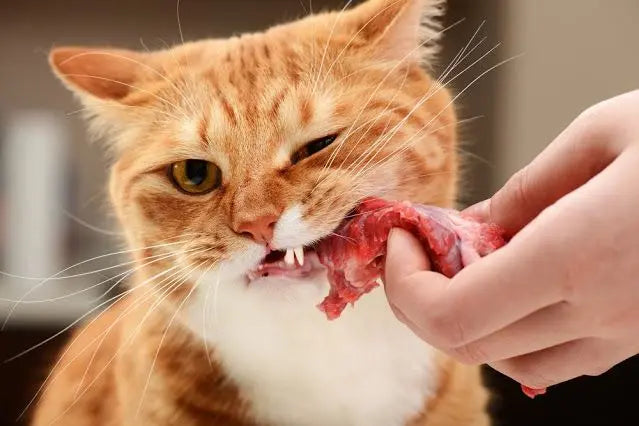
What Makes Whole Meat a Superior Protein Source
Protein percentage in cat food becomes meaningful only when the ingredients behind it are
whole, named animal proteins. Whole meats - such as chicken, salmon, turkey, or beef -
provide a complete amino acid profile. They contain naturally occurring taurine, moisture, and
nutritional cofactors that support digestion and cellular repair. These nutrients work
synergistically in ways isolated proteins simply cannot replicate.
Additionally, whole meat retains its natural biological structure during processing. This structural
integrity makes it easier for a cat's digestive enzymes to break it down and absorb nutrients.
Research consistently shows named whole meats achieve higher digestibility scores than plant-
derived proteins or isolates. For cats with sensitive stomachs, this difference is especially
significant and clinically measurable.
How Protein Isolates Are Manufactured and What's Lost
Protein isolates are created through industrial extraction processes. Manufacturers use heat,
chemicals, or mechanical separation to strip protein from its original food matrix. This
significantly increases the crude protein percentage on a label. However, it also removes or
degrades fragile amino acids, natural moisture, digestive enzymes, and beneficial nutritional
cofactors in the process.
Common isolates in cat food include pea protein, potato protein, hydrolyzed poultry by-product,
and corn gluten meal. These ingredients are cheap, widely available, and protein-dense on
paper. Nevertheless, the nutritional cost to your cat is significant. Studies point to lower
absorption rates and higher risk of amino acid deficiencies when isolate-heavy diets are fed
over the long term.
Bioavailability: The Hidden Factor Behind Every Label
Protein percentage in cat food tells you how much protein exists, not how much your cat can
actually use. Bioavailability measures the proportion of protein that is digested, absorbed, and
utilized at a cellular level. Whole meats typically score 85–95% on standard digestibility scales.
Most plant-based isolates fall between 40–70%. This gap is enormous for a species that
depends entirely on animal protein to survive.
Think of bioavailability as the real nutrition your cat receives per meal. A food with 35% protein
from whole chicken delivers more usable amino acids than a food with 45% protein from pea
isolate. Consequently, your cat may consume more of the lower-quality food and still remain
nutritionally deprived. Higher bioavailability means less metabolic strain, better organ support,
and measurable health outcomes.
Why Amino Acids Are the Real Measure of Protein Quality
Proteins are built from amino acids - and not all amino acid profiles are equal. Cats require 11
essential amino acids they cannot synthesize on their own. These must come from dietary
sources, ideally from animal-based whole meats. An incomplete amino acid profile, common in
plant-based isolates, leads to serious nutritional gaps and health consequences over time.
Furthermore, the ratio of amino acids matters as much as their individual presence. Even if all
11 essential amino acids are present, imbalanced ratios impair protein metabolism and cellular
repair. Whole meats naturally provide ratios that mirror a cat's ancestral prey-based diet.
Isolated proteins, by contrast, are often skewed toward certain amino acids while critically
lacking others.
Taurine, Arginine, and Why Cats Can't Compromise
Protein percentage in cat food is especially deceptive when taurine is the missing piece.
Taurine is a conditionally essential amino acid critical for heart function, vision, and reproduction
in cats. Unlike dogs and humans, cats cannot synthesize adequate taurine from other amino
acids. Whole meat - particularly dark poultry, fish, and beef heart - is a naturally rich and
bioavailable taurine source.
Taurine deficiency leads to dilated cardiomyopathy, retinal degeneration, and reproductive
failure in cats. These conditions are preventable through proper diet. However, many protein
isolates used in budget cat foods are naturally taurine-depleted. Manufacturers may add
synthetic taurine back, but whole meat provides it in its most bioavailable, naturally complexed
form - a form the body recognizes and absorbs more readily.
LEARN MORE ABOUT INDIA'S NO.1 FRESH CAT FOOD
Start FreshThe Protein Digestibility Score Cat Owners Should Know
Scientists use the Protein Digestibility Corrected Amino Acid Score (PDCAAS) to evaluate
protein quality. It combines digestibility with amino acid completeness into a single score from 0
to 1. Whole chicken scores approximately 0.95. Pea protein typically scores 0.55–0.67. This gap
directly impacts how well your cat is nourished per gram of protein consumed daily.
Protein percentage in cat food viewed through this lens changes how you shop. A food with a
lower crude protein percentage from whole meats may significantly outperform a food with a
higher percentage from isolates. The PDCAAS score, while not printed on labels, reflects what
your cat's body actually receives. Choosing ingredients over numbers is the more informed
approach.
What Research Tells Us About Feline Protein Metabolism
Cats have a uniquely high metabolic demand for protein that far exceeds most mammals. Their
livers continuously break down amino acids for energy, even when dietary protein intake is low.
This means a constant supply of high-quality, highly digestible protein is not optional - it is
biologically required. Suboptimal sources simply cannot sustain this demand over time.
Studies in feline nutrition consistently show cats fed high-quality animal protein maintain better
muscle mass, coat condition, and immune function. By contrast, cats fed isolate-heavy diets
showed signs of muscle wasting and poor coat quality. Therefore, the metabolic reality of feline
biology demands a whole-meat-first dietary approach - not just a high protein percentage on
paper.
 NATURE HAS ALREADY GIVEN THE RECIPE. WE HAVE ONLY IMPLEMENTED IT
How Protein Isolates Mask Nutrition Deficits
The pet food industry has grown adept at inflating protein numbers inexpensively. Adding pea
protein or corn gluten to a formula costs a fraction of whole chicken. This allows manufacturers
to advertise high protein percentages while using minimal whole meat. The result is a label that
looks impressive but delivers far less nutritional value than the number suggests.
Protein percentage in cat food can also be artificially boosted using non-protein nitrogen
sources. Some manufacturers have historically exploited this loophole, though regulatory
scrutiny has intensified. Always look past the percentage and examine the full ingredient list
carefully. The ingredients panel never lies the way a single percentage figure can.
The Role of Processing in Protein Degradation
Heat is the enemy of fragile proteins and amino acids. High-temperature extrusion, used in most
dry kibble production, denatures amino acids and reduces bioavailability significantly. The more
processing a protein source undergoes, the less nutritional value it retains on arrival in your
cat's bowl. Cold-processing and low-temperature methods preserve protein integrity measurably
better.
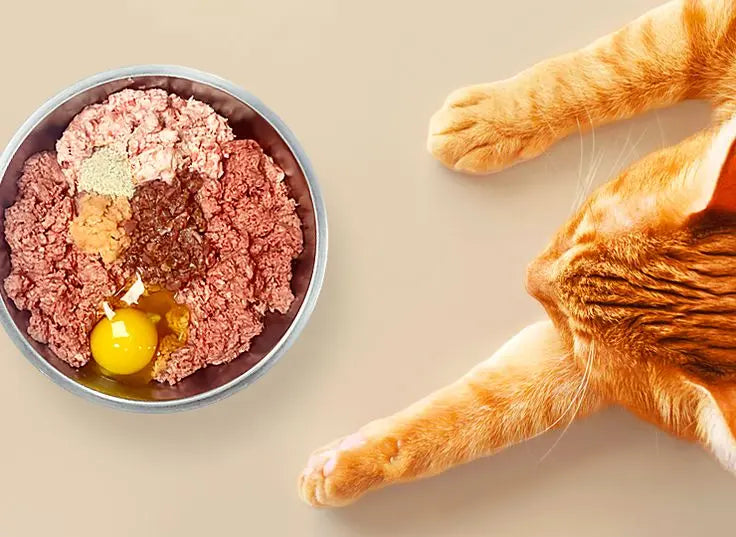
Consequently, a raw or gently cooked whole-meat food with 34% protein may nourish your cat
more effectively than an extruded kibble with 44% protein from isolates. The cooking method is
an integral part of the quality equation. Freshness, processing temperature, and ingredient
source all interact to determine real nutritional value - none of which appears on the label.
How to Read Cat Food Labels Like a Nutritionist
Ingredient Order and What It Tells You
Pet food ingredients are listed in descending order by pre-processing weight. The first ingredient
has the highest proportion in the formula. Look for a named whole meat - chicken, salmon,
duck, or turkey - in the first one or two positions. Ingredients like 'poultry meal' or 'meat by-
products' listed first are a clear downgrade in protein quality and source transparency.
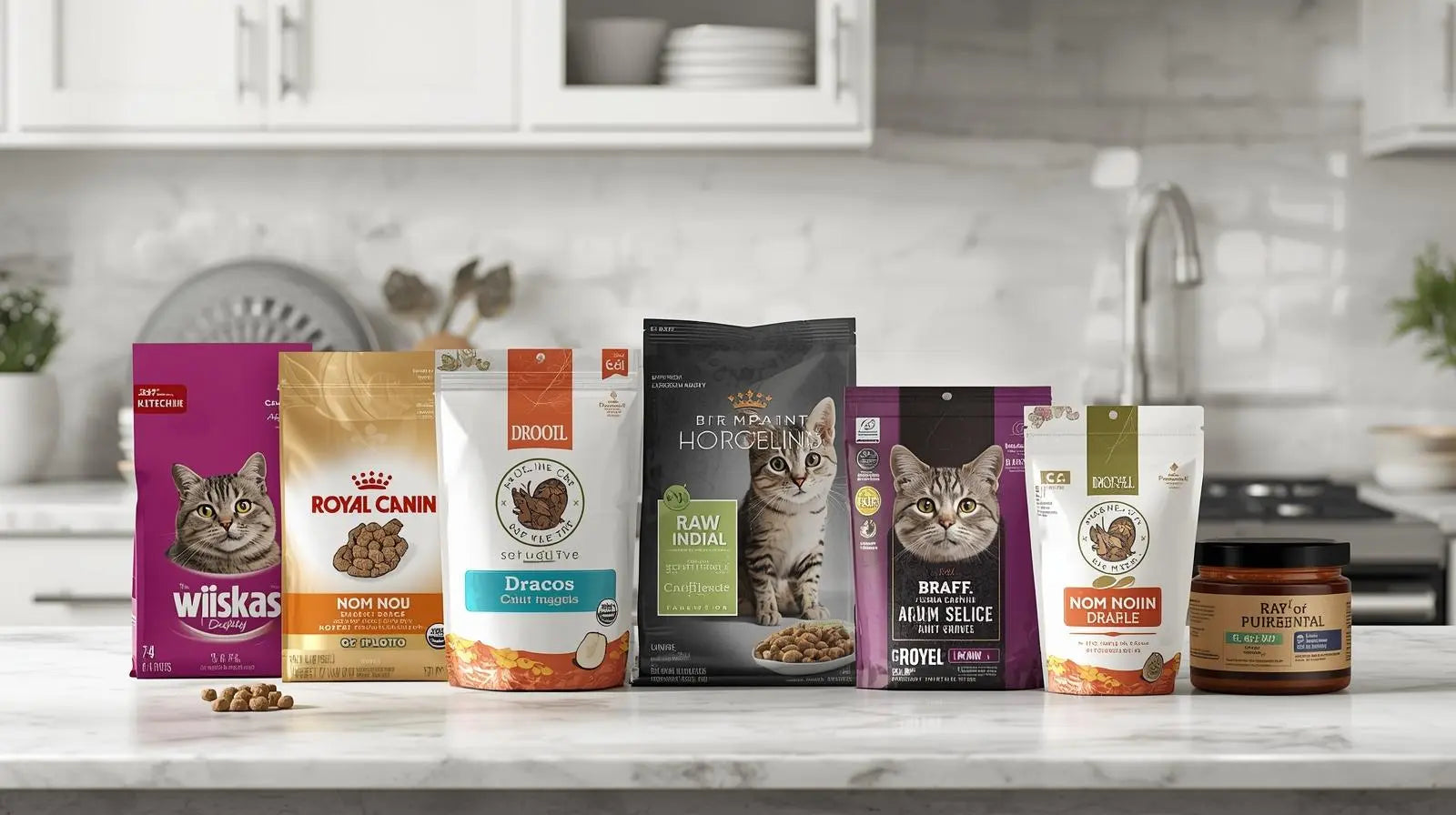
Protein percentage in cat food is secondary to what drives it. If the first five ingredients are
whole meats with no plant protein isolates in sight, that percentage represents genuine nutrition.
If pea protein, potato protein, or corn gluten appear in the top five, that percentage has been
artificially padded. Always treat ingredient order as your primary quality signal.
Red Flags Hidden in Plain Sight on Pet Food Labels
Watch for ingredient splitting. This is when a manufacturer lists multiple forms of the same
cheap ingredient separately to push them lower on the list. For example: pea protein, pea flour,
pea starch, and dried peas might each appear. Combined, they may outnumber the whole meat
content entirely. Spotting this tactic is one of the most important label-reading skills a cat owner
can develop.
Also be wary of vague terms like 'animal digest,' 'meat meal,' or 'poultry by-product meal.' These
processed remnants have variable and often poor nutritional content. Additionally, any protein
source labeled simply as 'meal' without a named species is a quality concern. Specific names
like 'chicken meal' are more acceptable than generic, unspecified protein sources.

Certifications and Quality Indicators Worth Looking For
Certifications from AAFCO (Association of American Feed Control Officials) confirm a food
meets basic nutritional minimums. However, AAFCO standards do not differentiate between
protein sources or quality. For deeper assurance, look for brands that publish third-party
digestibility studies or PDCAAS scores. Transparency in sourcing, manufacturing location, and
batch testing are hallmarks of genuinely premium quality.
Furthermore, brands that use human-grade ingredients offer a meaningful quality signal.
Human-grade standards require higher safety and handling compliance throughout the supply
chain. This often translates directly into better protein quality, more whole meats, and fewer
synthetic additives. It remains one of the clearest indicators that a brand genuinely prioritizes
nutrition over label optics.
Common Myths About High-Protein Cat Food Debunked
Protein percentage in cat food often fuels a persistent myth: that any high-protein food is
automatically healthy. This is not accurate. A 50% protein formula built on isolates and corn
gluten is nutritionally inferior to a 30% formula built on whole meats and organ meat. Protein
quality and source matter far more than raw percentage figures printed on the bag.
Another common myth is that high protein causes kidney disease in healthy cats. Current
veterinary consensus does not support this claim for cats with healthy kidneys. Cats are
biologically built to process high amounts of animal protein. The dietary protein concern applies
specifically to cats already diagnosed with chronic kidney disease - not to the broader feline
population.
Debunking the 'Plant Protein Is Fine for Cats' Myth
Some pet food marketing suggests plant proteins adequately replace animal proteins in a cat's
diet. This claim is not supported by feline nutritional science. Cats lack the specific enzyme
pathways needed to efficiently convert plant-based amino acids into the forms they require.
Unlike omnivores, they simply cannot compensate metabolically for missing animal-derived
nutrients.
Plant proteins are, at best, a minor supplement in a primarily animal-based diet. They should
never be primary protein sources in cat food. Moreover, their digestibility is substantially lower
than whole meats, meaning a significant proportion passes through undigested. Feeding plant-
protein-heavy diets to cats over years creates cumulative nutritional deficits that often present
as chronic health issues.
Signs Your Cat Is Not Getting Enough Quality Protein
Cats on low-quality protein diets often display clear physical signs. Look for a dull, dry, or flaky
coat that lacks healthy sheen. Unexplained weight loss or muscle wasting despite a normal or
increased appetite is another key warning sign. Lethargy, frequent illness, and slow wound
healing can all indicate inadequate amino acid intake over an extended period.
Protein percentage in cat food is irrelevant if your cat's body cannot utilize what's provided.
Digestive issues - including chronic vomiting, loose stools, or excessive gas - may indicate
poor protein digestibility. Behavioral changes like increased food-seeking or food obsession can
signal nutritional deficiency. A veterinary check combined with a thorough diet audit is always
the best starting point for investigation.
When to Switch Your Cat to a Whole Meat Diet
Switching to a whole-meat-based diet should always be gradual. Cats are notoriously resistant
to dietary change, particularly when they've been eating the same food for extended periods.
Transition over 7–14 days by gradually mixing new food with old. Monitor stool consistency,
energy levels, and coat condition as reliable indicators of how the transition is progressing.
Additionally, consult your veterinarian before making significant dietary changes, especially for
senior cats, kittens, or those with existing health conditions. Many veterinarians now support
whole meat and minimally processed diets when chosen thoughtfully. A trial of 4–6 weeks on a
quality whole-meat food can reveal dramatic and measurable improvements in coat quality,
energy, and digestive health.

FAQ's About Understanding Protein In Cat Food
Conclusion: Protein Percentage in Cat Food Is Only the Beginning
Protein percentage in cat food is a useful starting point, but it should never be your final
decision-making criterion. The source, digestibility, amino acid completeness, and processing
method of protein together define true nutritional quality. Whole meats deliver what cats evolved
to eat - and no protein isolate, regardless of its percentage, can fully match that biological
blueprint.
As a cat owner, your greatest tool is a healthy skepticism toward marketing labels. Look beyond
the numbers. Seek out named whole meat ingredients listed first. Prioritize foods with genuine
transparency, minimal heat processing, and clearly identified sourcing. Your cat's long-term
health is built not on percentages printed on a bag, but on the quality of every single bite.