Raw for Maximum Nutrition
Made in our own Kitchens
Human grade products
9 May 2026
Feeding a Siamese Cat in India: The Complete Vet- Backed Diet Guide (2026 Edition)
Feeding a Siamese cat in India? Get the vet-reviewed grams/day chart, ₹/month cost, foods to avoid, and 4-week transition plan.

9 May 2026
Feeding a Siamese Cat in India: The Complete Vet- Backed Diet Guide (2026 Edition)
Feeding a Siamese cat in India? Get the vet-reviewed grams/day chart, ₹/month cost, foods to avoid, and 4-week transition plan.
Table of contents
• Siamese Biology : Ideal Diet• Feeding a Siamese Cat• Siamese Coat and Skin• Kidney, Liver and Diabetes• Kittens, Transition, Concerns• Real Siamese Owner Stories• FAQ's: Feeding a Siamese Cat• ConclusionThis guide gives you everything other articles on feeding a Siamese cat in India skip: a vet- reviewed chart in grams and rupees by life stage, a 4-week kibble-to-fresh transition protocol, honest brand comparisons, Indian-kitchen foods to strictly avoid, and real owner stories. Built for the Siamese metabolism. Built for Indian conditions. Updated 2026 by the BARF India team.
Feeding a Siamese cat in India is uniquely different from feeding a Persian, a Maine Coon, or
a domestic Indie. The Siamese is lean, fast-metabolising, athletically active, and genetically
predisposed to feline diabetes, renal amyloidosis, and chronic dental disease. Feed it right and
this cat lives 16–20+ years. Feed it wrong and it pays the price by age 6–10.
Indian conditions add a distinct layer. Apartment living restricts the natural Siamese activity
level. Royal Canin and Hill's are expensive at scale. Moreover, mass-market kibble is high-
carbohydrate - the worst possible match for a diabetes-prone breed. Indian summers drive
extra evaporative water loss, worsening kidney stress. And Siamese cats are notoriously
selective about texture and protein: real breed traits, not whims.
How Siamese Biology Shapes Their Ideal Diet
Cats are obligate carnivores. However, the Siamese takes that baseline further. Its unique anatomy, metabolism, and genetic predispositions compound every dietary decision. Understanding why helps you avoid the most common - and most costly - mistakes Indian Siamese owners make.
The Lean, Athletic Body Type
A typical adult Siamese weighs 3.0–5.0 kg with a long, slender, muscular frame. The breed
shows 30–50% higher daily energy expenditure than a typical sedentary domestic shorthair. As
a result, the Siamese needs higher caloric density per gram, but in smaller absolute volumes.
They burn what they eat.
The danger is not undernutrition. It is high-carb mass kibble that converts an active Siamese's
muscles into stored visceral fat. A lean-looking cat on mass kibble can still carry dangerous
visceral fat and heading toward metabolic disease.

The Diabetes Predisposition
The Siamese, along with the Burmese and related Asian breeds, carries a measurable genetic
predisposition to feline diabetes mellitus. When feeding a Siamese cat in India, this is the
single most critical factor to account for. Combine genetic load with apartment living and a high-
carbohydrate kibble diet, and you pre-load a diabetes diagnosis at age 6–10.
The dietary solution is clear. Keep total carbohydrates under 5% of dry matter. A vet-formulated
fresh diet sits at 2–5% carbs. A premium breed-specific kibble sits at 30–40%. The math is
unambiguous and the intervention is entirely within your control.
VETERINARY NOTE: Obligate carnivores like the Siamese require taurine, arachidonic acid, and pre- formed Vitamin A from animal sources. Carbohydrates should remain under 10% of diet - under 5% is ideal. This is feline endocrinology, not opinion.
Kidney, Liver and Renal Health
Siamese and Oriental Shorthair cats are over-represented in clinical reports of renal amyloidosis
- progressive amyloid deposits in the kidneys leading to chronic kidney disease. The biggest
dietary lever is moisture. A Siamese on dry kibble (8–10% moisture) lives in chronic mild
dehydration.
In Indian summer heat (38–42°C in tier-1 metros), that dehydration math gets worse. Kidneys
conserve more water, urine concentrates, and the load on already-vulnerable kidneys
accelerates. A fresh-food Siamese on 65–75% moisture is passively hydrated all day.
Furthermore, hepatic lipidosis risk demands that you never withhold food from a Siamese -
even during a diet switch.
Dental Disease and Respiratory Risks
Periodontal disease is disproportionately diagnosed in Siamese, especially after age 5. The
widely repeated "kibble cleans teeth" claim is not supported by veterinary dentistry research.
Most kibble pieces shatter on contact and leave sticky carbohydrate residue around the gum
line, promoting plaque.
Feline asthma is also more common in this breed. Dust-fine kibble particles can irritate the
respiratory tracts of predisposed Siamese. Additionally, dietary inflammation from grain-heavy
diets can worsen asthmatic responses. A fresh, low-inflammatory diet often reduces flare
frequency, though it does not replace prescribed inhalers.
Feeding a Siamese Cat in India - Charts, Costs and Food Choices
Everything you need for feeding a Siamese cat in India practically: the daily gram chart, the real ₹/month breakdown, and an honest head-to-head across raw, cooked, wet, and kibble options. This is the section most Indian Siamese owners bookmark.

Daily Feeding Chart by Life Stage (Grams + ₹)
Because Siamese cats are leaner and more active than the average domestic cat, their needs differ from a Persian or Indie chart. They eat smaller volumes by weight but at higher caloric density. The table below is the vet-reviewed framework BARF India uses for fresh, raw, and gently cooked feeding.

HOW TO USE THIS CHART: Find your Siamese's life stage and weight band, take the mid-range grams/day, split across recommended meals, and adjust by ±10% over 2 weeks based on body condition. You should feel ribs without pressing hard, see a visible waist from above, and observe a lean abdomen. Re-weigh monthly.
Siamese Cat Food Cost in India (₹/Day, ₹/Month, ₹/Year)
Indian Siamese owners rarely get a clean ₹/day breakdown. Here is the honest picture for a
typical 4 kg adult Siamese. Premium breed-specific kibble (Royal Canin, Hill' s) costs
₹140–₹240/day. Mass kibble is cheaper at ₹35–₹65/day, but it is extremely high in
carbohydrates.
A vet-formulated fresh diet from BARF India sits at ₹60–₹90/day for an adult Siamese. That is
comparable to or below premium kibble while delivering the low-carb, high-moisture profile the
breed actually needs. Consequently, switching from Royal Canin to BARF India typically saves
₹2,000–₹4,500 per month.

Over a 16–20 year Siamese lifespan, the saving plus avoided veterinary bills - insulin therapy alone for a diabetic Siamese can run ₹3,000–₹6,000 per month for life - easily clears ₹3–₹8 lakh. See also our guide on the best cat food in India 2026 for a full market comparison.
Raw vs Cooked vs Wet vs Kibble - The Honest Answer
Every Indian Siamese owner asks this question. The honest answer: the ideal Siamese diet is closest to ancestral feline prey - high-protein, high-moisture, low-carbohydrate, named whole- meat protein. Here is the decision framework for feeding a Siamese cat in India across format types.
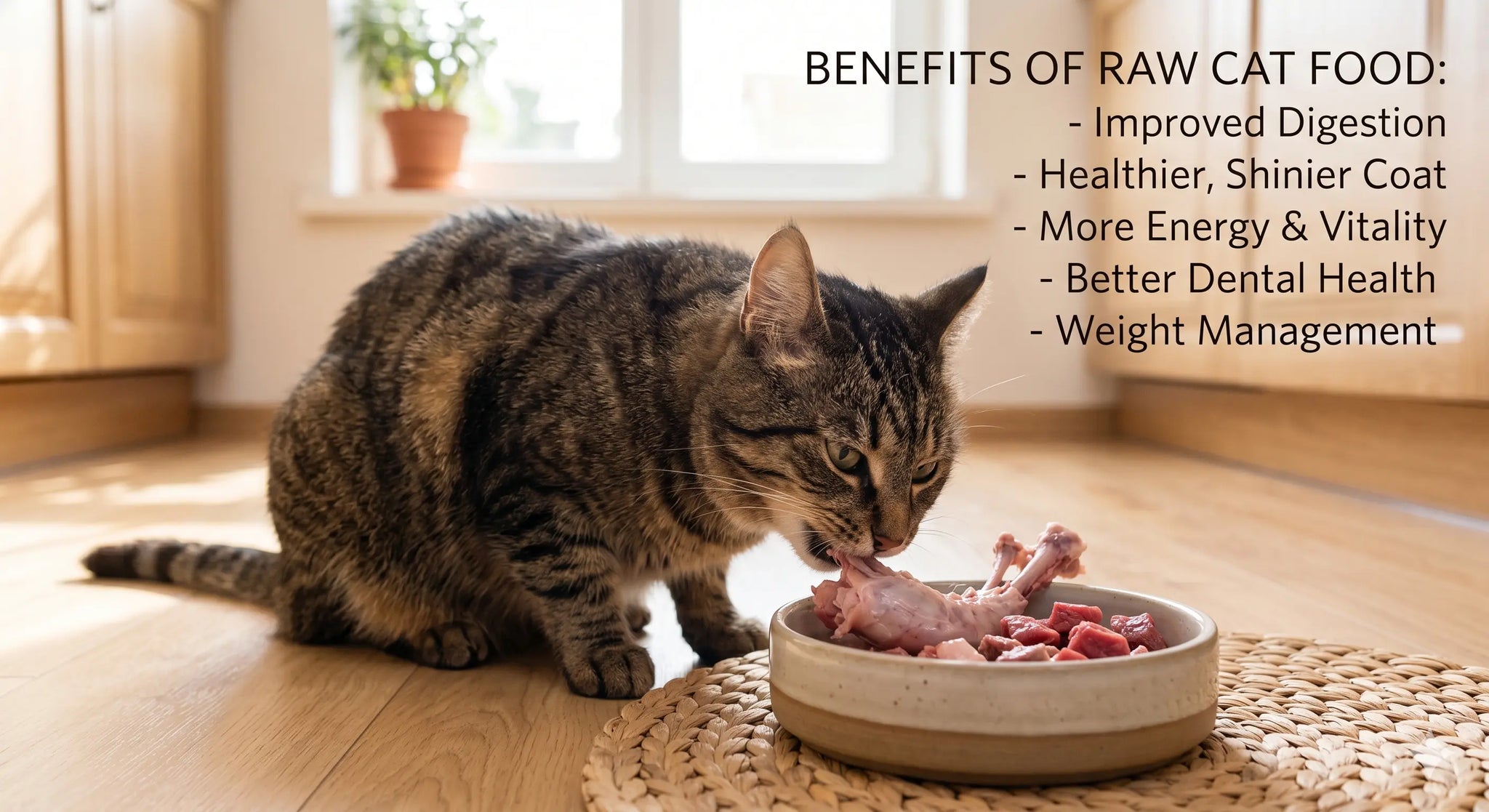
Raw (BARF / Prey-Model)
Best for: Siamese of any age in good health - especially those with early diabetes signs,
weight issues, dull coat, dental tartar, recurring vomiting, or fussy appetite. Delivers the
strongest clinical response of any format for this breed.
Watch for: Requires reliable cold-chain delivery (BARF India ships frozen across most Indian
metros). Thaw overnight in the fridge. Explore our full range of raw cat food options.

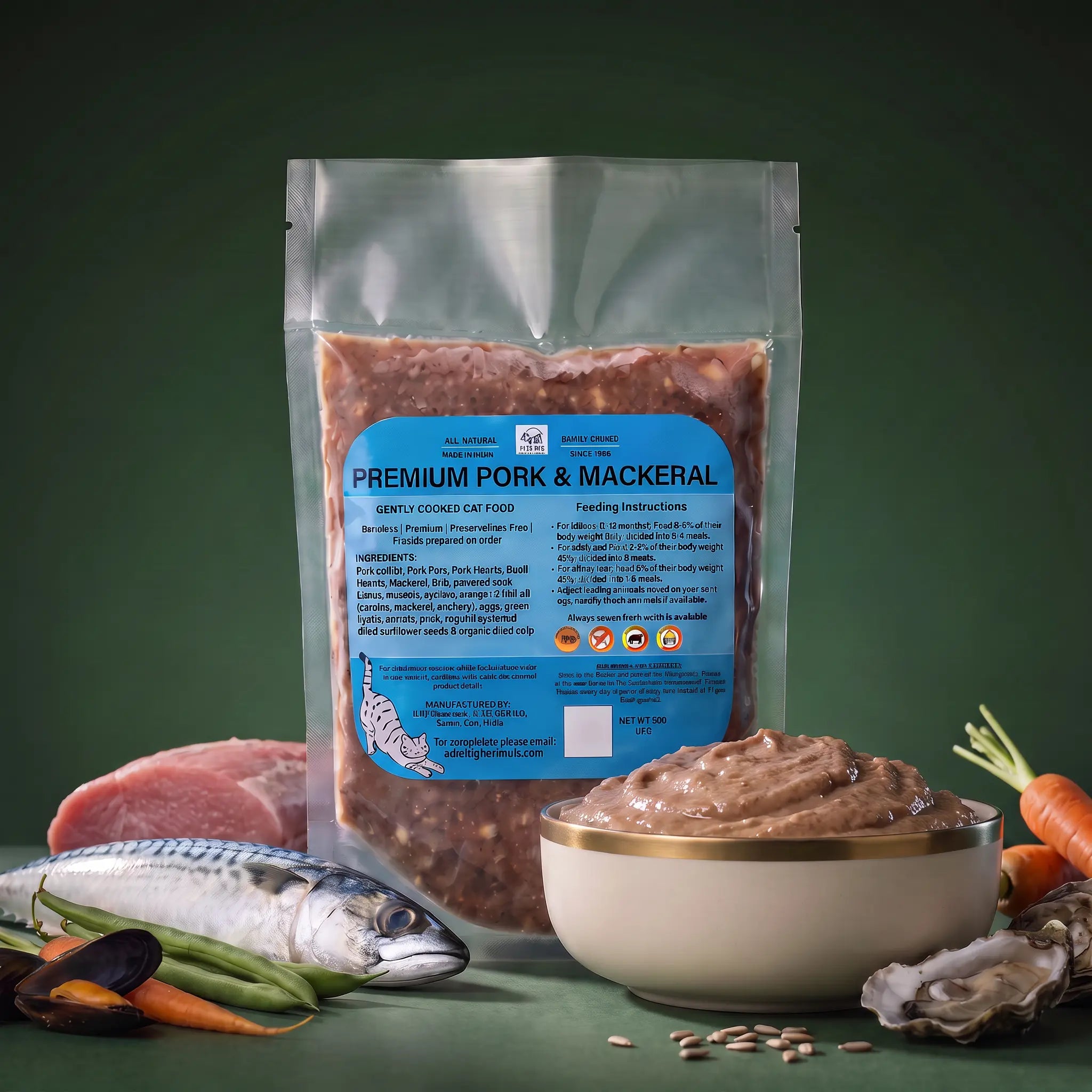
Gently Cooked
Best for: Owners new to fresh feeding, households with young children or immuno-
compromised members, or cats recovering from surgery. Retains 60–70% moisture and a low-
carb profile, with minimal nutritional loss.
Watch for: Very mild loss of certain heat-sensitive nutrients vs raw - supplemented in
commercial formulas. Read our in-depth guide: cooked cat food as a safe alternative to raw
feeding.
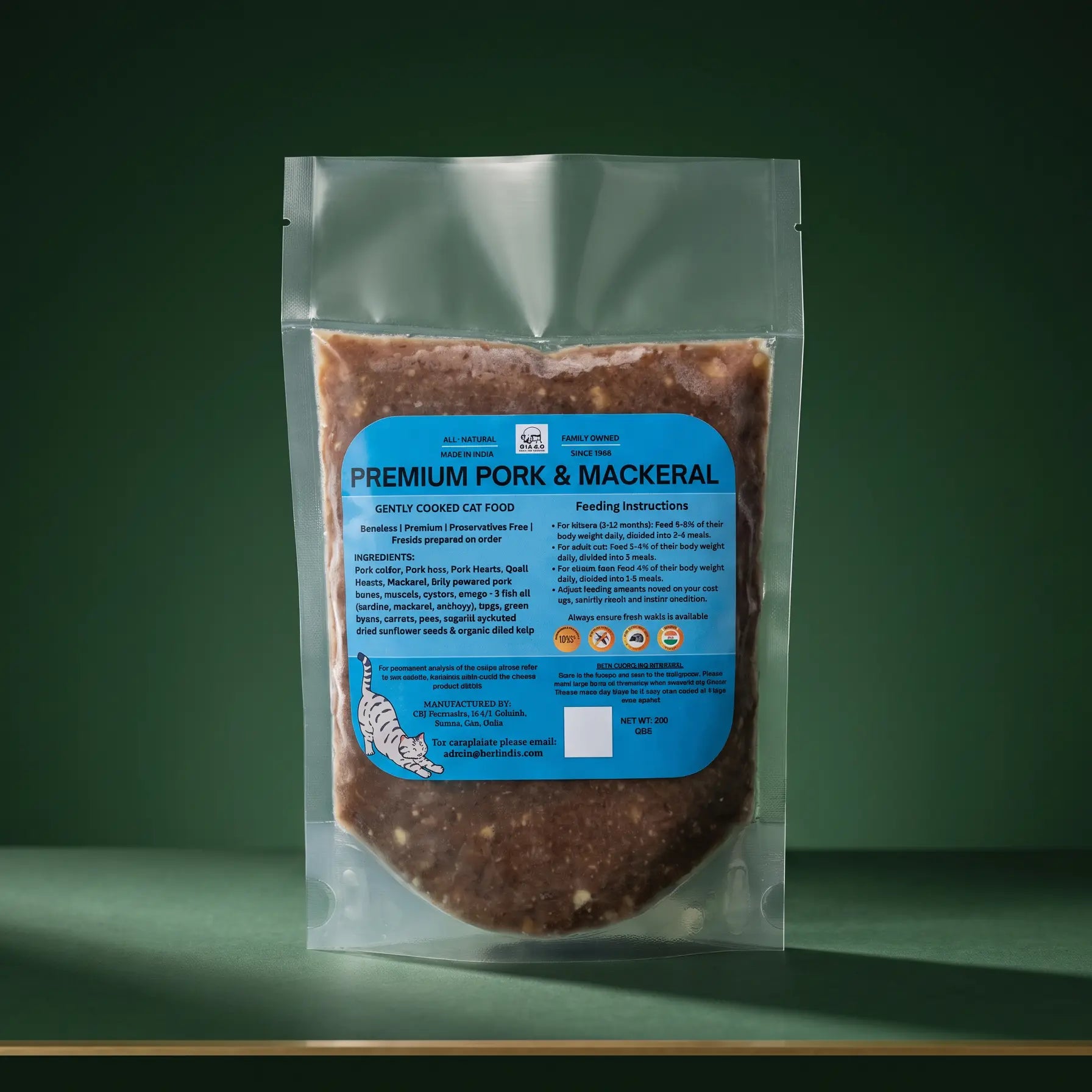
Shop: Gently cooked cat food - vet-formulated, cold-chain delivered.
Wet Food (Pouches / Cans)
Best for: Households with no freezer space. Adequate moisture (70–80%) and usually low-
carb. However, most wet pouches are retort-sterilised at very high heat, denaturing proteins
significantly.
Watch for: Expensive ₹/day in India. Many "wet" pouches are mostly gravy with low actual
protein density. Check the ingredient label carefully.
Premium Kibble (Royal Canin / Hill's)
Best for: Travel, emergency back-up, or an occasional rotation component - up to 10–20% of
the diet. Some formulas address dental and hairball control adequately.
Watch for: Only 8–10% moisture and 30–40% carbohydrates. Long-term sole feeding of dry
kibble tracks with diabetes onset in genetically predisposed Siamese.
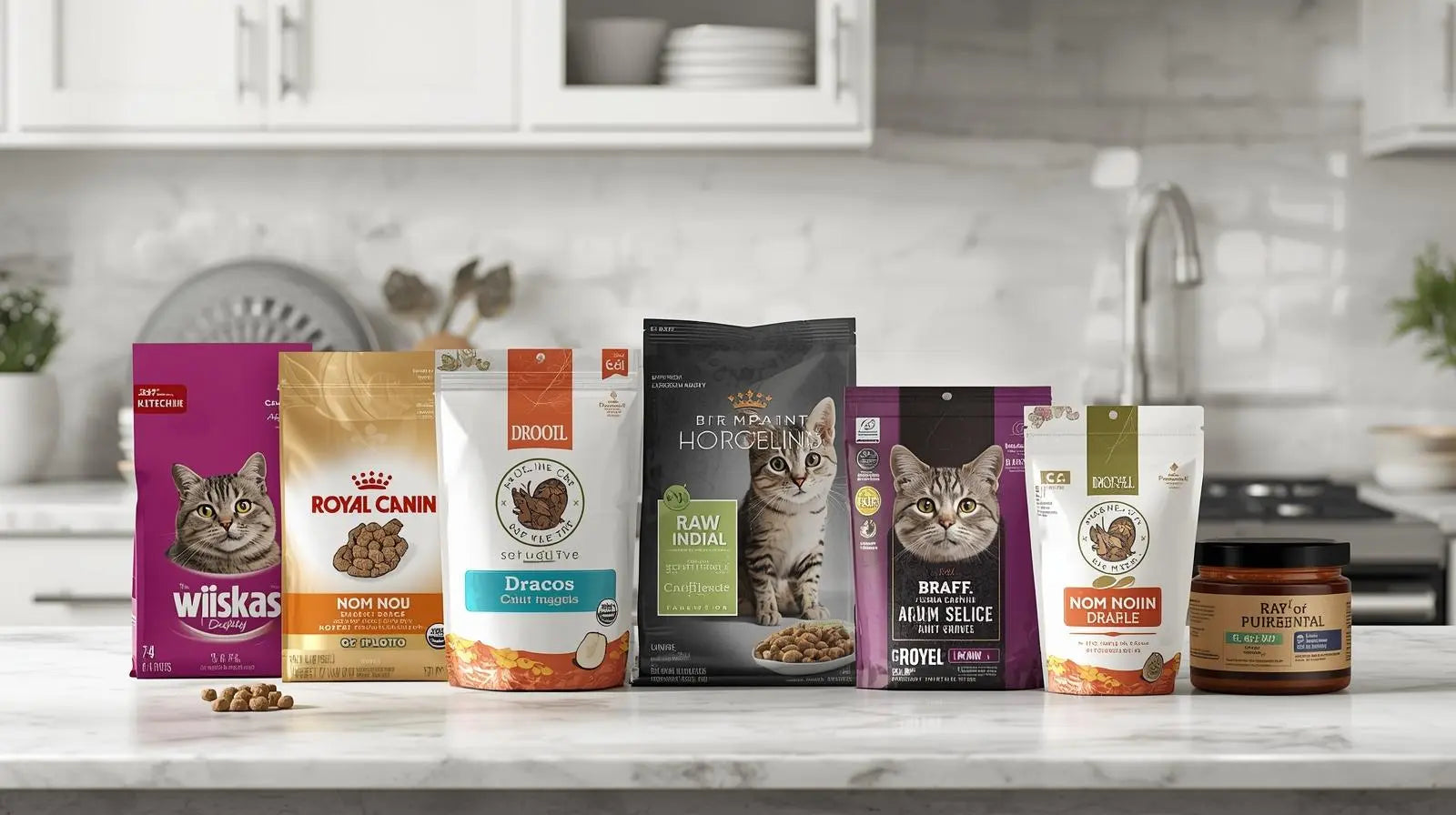
Mass Kibble (Whiskas / Drools)
Best for: Short-term budget constraints only. Not the right long-term staple for any Siamese.
Watch for: Highest carbohydrate content in any cat food category. Ingredient quality varies
widely. Contains "meat by-products" rather than named proteins.
OUR SHORT ANSWER:
For Siamese cats specifically - and especially if your cat is over 5 years old,
slightly overweight, or has any family history of diabetes - a 70/30 raw + gently cooked split is the highest
clinical-impact option. For households without freezer space, 100% gently cooked is the second-best
option and clinically far ahead of a kibble-only diet. Try the
multi-protein raw cat food range - rotate proteins weekly to prevent sensitisation and maintain
a vocally curious Siamese's interest.
Foods to Never Feed Your Siamese (Indian Kitchen Edition)
Indian households share food more freely with pets than most Western homes. For Siamese specifically, certain extremely common Indian kitchen items are doubly dangerous because of the breed's diabetes and renal predispositions. These are the most frequent mistakes Indian Siamese owners make.

Siamese Coat and Skin - Why Single-Coat Needs More, Not Less
Siamese cats are short-haired and single-coated. Most Indian owners assume this means low-
maintenance. However, the Siamese colour-point patterning is highly diet-dependent. A poorly
fed Siamese has a coarse, dull, sometimes oily coat. A well-fed Siamese gleams almost metallic
in good light.
Two nutrient groups make the biggest difference. Long-chain omega-3 fatty acids (EPA + DHA)
from oily fish and pasture-raised animal fat are retained in raw and gently cooked diets but
degraded by high-heat kibble extrusion. Arachidonic acid, zinc, biotin, tyrosine, and copper -
all found in raw organ meats - directly govern the Siamese colour-point pigmentation depth.
Owners switching their Siamese to BARF India fresh food typically report a glossier coat within
3–4 weeks, reduced shedding within 4–6 weeks, and the disappearance of dandruff by week 8.
Many seal-point and chocolate-point owners report visible deepening of the colour pattern.

Kidney, Liver and Diabetes - The Three Diet-Driven Conditions
If you remember only three medical conditions a Siamese is genetically predisposed to, remember diabetes mellitus, renal amyloidosis, and hepatic disease. All three are heavily diet- modifiable. All three cluster in mid-life. All three are leading reasons Siamese cats are prematurely euthanised in Indian veterinary practice.
Diabetes Mellitus in Siamese Cats
The Siamese carries one of the highest known feline-breed predispositions to diabetes mellitus.
The mechanism is clear: a high-carbohydrate diet drives chronically elevated blood glucose and
insulin demand. Over years, pancreatic beta-cell function declines. Clinical diabetes follows.
Indian apartment-living Siamese cats on mass kibble develop diabetes 2–4 years earlier on
average than active outdoor Siamese on fresh diets. The dietary intervention is straightforward:
keep total carbohydrates under 10% of dry matter. A vet-formulated fresh diet sits at 2–5%. A
premium breed-specific kibble sits at 30–40%.
CLINICAL NOTE: For a Siamese, the diet you choose at age 1 sets the diabetes trajectory at age 8. The moisture profile sets the kidney trajectory at age 12. The protein source quality sets the lifespan ceiling. No single dietary decision is more consequential for this breed.
Renal Amyloidosis and Chronic Kidney Disease
Siamese cats are over-represented in clinical reports of renal amyloidosis - progressive
amyloid deposition in the kidneys leading to chronic kidney disease, often diagnosed at 6–12
years. The biggest dietary lever is moisture. A fresh-food Siamese is passively hydrated all day.
A kibble-fed Siamese is in chronic mild dehydration.
In Indian summer (38–42°C in tier-1 metros), the dehydration math worsens considerably. Diet
also plays a significant role for cats with inflammatory conditions. Read our in-depth article on
the benefits of a raw diet for cats with IBD for more on how diet modifies inflammatory disease.
Hepatic Conditions and Hepatic Lipidosis Risk
The Siamese has elevated risk for portosystemic shunts (PSS) and hepatic lipidosis. The hepatic lipidosis risk is particularly relevant because it is triggered when the cat refuses food for more than 24–48 hours. This is a serious risk with any "force the switch" approach to changing diets. Always transition gradually. Never withhold food from a Siamese.

Dental Disease, Asthma and Persistent Vomiting - Dietary Causes Most Miss
Indian Siamese owners are often told that dental tartar, occasional asthma flares, and weekly
vomiting are normal for the breed. They are not normal. They are largely dietary - and
addressing the diet resolves most of these issues without medication.
Periodontal disease responds well to raw meaty bones (appropriately sized chicken necks, quail
wings, soft cartilage), gently cooked food with appropriate texture, and feline dental chews.
Feline asthma flares can often be reduced by eliminating dust-fine kibble particulate and
switching to a low-inflammatory fresh diet.
Persistent vomiting - more than once a week - is almost always diet-related in Siamese.
Kibble expands in the stomach upon hydration and irritates the gastric lining. Additionally,
ingredient sensitivities to corn, soy, gluten, and certain proteins cause low-grade chronic
inflammation. Switching to a moisture-rich, low-carbohydrate fresh diet typically reduces
vomiting frequency dramatically within 4–6 weeks.
Kittens, Transition, Vet Concerns
Feeding Siamese Kittens in India (Weaning to 12 Months)
The first 12 months of a Siamese's life are metabolically formative. The skeletal frame, dentition, immune programming, and lifelong gut microbiome are all established in this window. Underfeeding, overfeeding, or feeding the wrong food has consequences that appear at age 5 as obesity and at age 8 as diabetes.
Weaning (4–8 Weeks)
Siamese kittens transition smoothly from queen's milk to finely ground raw or gently cooked muscle meat with high-moisture bone broth from week 4. This seeds the gut microbiome for protein digestion. It also avoids the carb-loaded starter pellets that disrupt the developing feline microbiome and pre-load lifelong insulin sensitivity issues.

Juvenile Phase (8 Weeks to 12 Months)
Feed 4–5 small meals per day at 8–12 weeks, dropping to 3 meals by 6 months. Include 10%
liver and 10% other secreting organ meat (kidney, heart, gizzard). Rotate proteins weekly:
chicken, turkey, quail, fish, rabbit. Siamese kittens respond especially well to protein diversity -
they are vocal connoisseurs even at 12 weeks.
Avoid: cow milk past weaning (most Siamese become lactose-intolerant by 8 weeks), all-kibble
starts (disrupt gut microbiome and pre-load adult diabetes risk), muscle-only diets without organ
meat (nutritional imbalances develop within 90 days), and free-feeding kibble (Siamese kittens
self-regulate poorly when grazing on dry food).
How to Transition a Siamese from Kibble to Fresh Food (4-Week Protocol)
Siamese cats can be famously particular about new food. However, they are also intelligent and food-curious in equal measure. The 4-week gradient below is the protocol BARF India's customer-success team uses. Flex the calendar by 2–3 days in either direction based on how your Siamese responds.

SIAMESE-SPECIFIC SAFETY RULES: (1) Never withhold food to force acceptance - hepatic lipidosis
risk within 1-2 days.
(2) If stool stays loose past day 5, hold the ratio rather than increasing.
(3) For
Siamese over 8 years old, extend to a 5–6 week transition.
(4) For confirmed diabetic Siamese, transition
under direct vet supervision - insulin needs typically drop quickly and the dose must be re-titrated.
Royal Canin / Hill's vs BARF India - Honest Side-by-Side Comparison
The premium kibble category - Royal Canin Indoor / Hair & Skin, Hill's Science Diet, Acana, Orijen - is the default "premium" choice for informed Indian Siamese owners. These products are not bad. They are the best kibble available. However, "best kibble" is a low ceiling for a breed as metabolically specific as the Siamese.

OUR RECOMMENDATION: For a Siamese specifically, the case against high-carb kibble as a daily staple is stronger than for almost any other breed. Use premium kibble as a 10–20% rotation component or travel back-up. Use BARF India fresh food as the daily staple. Done this way, your Siamese gets biological benefits at all other times - at less than half the all-in monthly cost.
Common Vet Concerns About Raw Diets - What the Evidence Says
Some Indian veterinarians remain cautious about raw diets, typically citing two concerns: bacterial contamination and nutritional imbalance. Both are legitimate concerns. Both are manageable when using a vet-formulated commercial product.
Will Raw Food Make My Siamese Sick from Bacteria?
Properly sourced, commercially prepared raw diets from a vet-formulated brand carry very low pathogen risk. Cats have shorter, more acidic GI tracts than humans. Clinical surveillance studies have not shown raw-fed pet households to have higher disease incidence than kibble- fed households when basic food-safety hygiene is followed: wash hands and surfaces, do not leave thawed food at room temperature for more than 30 minutes, and refrigerate partial portions.
Is a Raw Diet Nutritionally Complete for a Siamese?
A nutritionally complete commercial raw diet (AAFCO- or FEDIAF-aligned) is, by definition, complete for a domestic cat including the Siamese. BARF India's recipes are formulated by a veterinary nutritionist against feline NRC and AAFCO standards, with each batch micronutrient- tested. Random "chicken plus vegetable" homemade meals are not complete - the category distinction matters enormously.

What About Taurine for an Active Siamese?
Active Siamese cats burn through dietary taurine faster than sedentary cats. Raw and gently cooked meat - especially heart muscle, dark poultry meat, and fresh fish - supplies taurine in its natural, bioavailable form. Heat-extruded kibble loses taurine in processing and re- supplements synthetically. For a high-activity Siamese, the bioavailable-taurine argument for fresh food is even stronger.
Real Indian Siamese Owner Stories - Before and After
Story 1 - Ananya & Loki (Seal-Point Siamese, 6 yr, Bengaluru)
Loki was diagnosed pre-diabetic at age 5. Fasting glucose sat at the upper boundary and he had mild weight gain on Royal Canin Indoor Adult kibble. Ananya transitioned Loki to BARF India gently cooked over 4 weeks. By month 2, Loki had dropped 600 g of fat mass and his fasting glucose had normalised. Monthly cost dropped from ₹5,400 to ₹2,700.
Story 2 - Rohit & Kira (Chocolate-Point Siamese, 11 yr, Mumbai)
Kira was diagnosed with early-stage chronic kidney disease at age 10. Prescription renal kibble at ₹1,200/kg had mediocre palatability - Kira refused most meals and lost weight. Rohit transitioned Kira to a BARF India raw + gently cooked rotation under vet supervision over 6 weeks. Within 2 months, kidney values stabilised and weight recovered. Cost: ₹2,800/month vs ₹6,200 previously.
LEARN MORE ABOUT INDIA'S NO.1 FRESH DOG FOOD
Start FreshStory 3 - Meera & Suki (Lilac-Point Siamese, 1 yr, Delhi)
Suki was hand-raised from week 5. Meera started her on BARF India raw with bone broth top- up at week 6, transitioning to the full kitten raw protocol by week 12. At 12 months, Suki weighed 4.0 kg with a show-grade coat, deep colour-point pigmentation, and zero vet visits beyond vaccinations. Monthly food cost: ₹1,950 vs ₹4,800–₹5,400 for an equivalent premium kibble programme.

FAQ's - Feeding a Siamese Cat in India
Ready to Feed Your Siamese Right?
Your Siamese's diet is the single highest-leverage decision you'll make as a parent. Get it right
and you protect a 16–20+ year lifespan against diabetes, kidney disease, dental disease, and
obesity. Critically, feeding a Siamese cat in India on the wrong food is not a passive choice -
it actively pre-loads conditions that are expensive and heartbreaking to manage.
BARF India's Siamese-suitable Sampler Pack - gently cooked, vet-formulated, low-carb, cold-
chain delivered - is the lowest-risk way to start. ₹320, 7-day satisfaction guarantee, free
transition support on WhatsApp.
This guide gives you everything other articles on feeding a Siamese cat in India skip: a vet- reviewed chart in grams and rupees by life stage, a 4-week kibble-to-fresh transition protocol, honest brand comparisons, Indian-kitchen foods to strictly avoid, and real owner stories. Built for the Siamese metabolism. Built for Indian conditions. Updated 2026 by the BARF India team.
Feeding Your Siamese Cat
Feeding a Siamese cat in India is uniquely different from feeding a Persian, a Maine Coon, or
a domestic Indie. The Siamese is lean, fast-metabolising, athletically active, and genetically
predisposed to feline diabetes, renal amyloidosis, and chronic dental disease. Feed it right and
this cat lives 16–20+ years. Feed it wrong and it pays the price by age 6–10.
Indian conditions add a distinct layer. Apartment living restricts the natural Siamese activity
level. Royal Canin and Hill's are expensive at scale. Moreover, mass-market kibble is high-
carbohydrate - the worst possible match for a diabetes-prone breed. Indian summers drive
extra evaporative water loss, worsening kidney stress. And Siamese cats are notoriously
selective about texture and protein: real breed traits, not whims.
How Siamese Biology Shapes Their Ideal Diet
Cats are obligate carnivores. However, the Siamese takes that baseline further. Its unique anatomy, metabolism, and genetic predispositions compound every dietary decision. Understanding why helps you avoid the most common - and most costly - mistakes Indian Siamese owners make.
The Lean, Athletic Body Type
A typical adult Siamese weighs 3.0–5.0 kg with a long, slender, muscular frame. The breed
shows 30–50% higher daily energy expenditure than a typical sedentary domestic shorthair. As
a result, the Siamese needs higher caloric density per gram, but in smaller absolute volumes.
They burn what they eat.
The danger is not undernutrition. It is high-carb mass kibble that converts an active Siamese's
muscles into stored visceral fat. A lean-looking cat on mass kibble can still carry dangerous
visceral fat and heading toward metabolic disease.
The Diabetes Predisposition
The Siamese, along with the Burmese and related Asian breeds, carries a measurable genetic
predisposition to feline diabetes mellitus. When feeding a Siamese cat in India, this is the
single most critical factor to account for. Combine genetic load with apartment living and a high-
carbohydrate kibble diet, and you pre-load a diabetes diagnosis at age 6–10.
The dietary solution is clear. Keep total carbohydrates under 5% of dry matter. A vet-formulated
fresh diet sits at 2–5% carbs. A premium breed-specific kibble sits at 30–40%. The math is
unambiguous and the intervention is entirely within your control.
VETERINARY NOTE: Obligate carnivores like the Siamese require taurine, arachidonic acid, and pre- formed Vitamin A from animal sources. Carbohydrates should remain under 10% of diet - under 5% is ideal. This is feline endocrinology, not opinion.
Kidney, Liver and Renal Health
Siamese and Oriental Shorthair cats are over-represented in clinical reports of renal amyloidosis
- progressive amyloid deposits in the kidneys leading to chronic kidney disease. The biggest
dietary lever is moisture. A Siamese on dry kibble (8–10% moisture) lives in chronic mild
dehydration.
In Indian summer heat (38–42°C in tier-1 metros), that dehydration math gets worse. Kidneys
conserve more water, urine concentrates, and the load on already-vulnerable kidneys
accelerates. A fresh-food Siamese on 65–75% moisture is passively hydrated all day.
Furthermore, hepatic lipidosis risk demands that you never withhold food from a Siamese -
even during a diet switch.
Dental Disease and Respiratory Risks
Periodontal disease is disproportionately diagnosed in Siamese, especially after age 5. The
widely repeated "kibble cleans teeth" claim is not supported by veterinary dentistry research.
Most kibble pieces shatter on contact and leave sticky carbohydrate residue around the gum
line, promoting plaque.
Feline asthma is also more common in this breed. Dust-fine kibble particles can irritate the
respiratory tracts of predisposed Siamese. Additionally, dietary inflammation from grain-heavy
diets can worsen asthmatic responses. A fresh, low-inflammatory diet often reduces flare
frequency, though it does not replace prescribed inhalers.
Feeding a Siamese Cat in India - Charts, Costs and Food Choices
Everything you need for feeding a Siamese cat in India practically: the daily gram chart, the real ₹/month breakdown, and an honest head-to-head across raw, cooked, wet, and kibble options. This is the section most Indian Siamese owners bookmark.
Daily Feeding Chart by Life Stage (Grams + ₹)
Because Siamese cats are leaner and more active than the average domestic cat, their needs differ from a Persian or Indie chart. They eat smaller volumes by weight but at higher caloric density. The table below is the vet-reviewed framework BARF India uses for fresh, raw, and gently cooked feeding.
HOW TO USE THIS CHART: Find your Siamese's life stage and weight band, take the mid-range grams/day, split across recommended meals, and adjust by ±10% over 2 weeks based on body condition. You should feel ribs without pressing hard, see a visible waist from above, and observe a lean abdomen. Re-weigh monthly.
Siamese Cat Food Cost in India (₹/Day, ₹/Month, ₹/Year)
Indian Siamese owners rarely get a clean ₹/day breakdown. Here is the honest picture for a
typical 4 kg adult Siamese. Premium breed-specific kibble (Royal Canin, Hill' s) costs
₹140–₹240/day. Mass kibble is cheaper at ₹35–₹65/day, but it is extremely high in
carbohydrates.
A vet-formulated fresh diet from BARF India sits at ₹60–₹90/day for an adult Siamese. That is
comparable to or below premium kibble while delivering the low-carb, high-moisture profile the
breed actually needs. Consequently, switching from Royal Canin to BARF India typically saves
₹2,000–₹4,500 per month.
Over a 16–20 year Siamese lifespan, the saving plus avoided veterinary bills - insulin therapy alone for a diabetic Siamese can run ₹3,000–₹6,000 per month for life - easily clears ₹3–₹8 lakh. See also our guide on the best cat food in India 2026 for a full market comparison.
Raw vs Cooked vs Wet vs Kibble - The Honest Answer
Every Indian Siamese owner asks this question. The honest answer: the ideal Siamese diet is
closest to ancestral feline prey - high-protein, high-moisture, low-carbohydrate, named whole-
meat protein. Here is the decision framework for feeding a Siamese cat in India across format
types.
Raw Cat Food (BARF / Prey-Model)
Best for: Siamese of any age in good health - especially those with early diabetes signs, weight issues, dull coat, dental tartar, recurring vomiting, or fussy appetite. Delivers the strongest clinical response of any format for this breed.
Watch for: Requires reliable cold-chain delivery (BARF India ships frozen across most Indian metros). Thaw overnight in the fridge. Explore our full range of raw cat food options.
Gently Cooked Cat Food
Best for: Owners new to fresh feeding, households with young children or immuno-
compromised members, or cats recovering from surgery. Retains 60–70% moisture and a low-
carb profile, with minimal nutritional loss.
Watch for: Very mild loss of certain heat-sensitive nutrients vs raw - supplemented in
commercial formulas. Read our in-depth guide: cooked cat food as a safe alternative to raw
feeding.
Shop: Gently cooked cat food - vet-formulated, cold-chain delivered.
Wet Food (Pouches / Cans)
Best for: Households with no freezer space. Adequate moisture (70–80%) and usually low- carb. However, most wet pouches are retort-sterilised at very high heat, denaturing proteins significantly.
Watch for: Expensive ₹/day in India. Many "wet" pouches are mostly gravy with low actual protein density. Check the ingredient label carefully.
Premium Kibble (Royal Canin / Hill's)
Best for: Travel, emergency back-up, or an occasional rotation component - up to 10–20% of the diet. Some formulas address dental and hairball control adequately.
Watch for: Only 8–10% moisture and 30–40% carbohydrates. Long-term sole feeding of dry kibble tracks with diabetes onset in genetically predisposed Siamese.
Mass Kibble (Whiskas / Drools)
Best for: Short-term budget constraints only. Not the right long-term staple for any Siamese.
Watch for: Highest carbohydrate content in any cat food category. Ingredient quality varies widely. Contains "meat by-products" rather than named proteins.
OUR SHORT ANSWER:
For Siamese cats specifically - and especially if your cat is over 5 years old,
slightly overweight, or has any family history of diabetes - a 70/30 raw + gently cooked split is the highest
clinical-impact option. For households without freezer space, 100% gently cooked is the second-best
option and clinically far ahead of a kibble-only diet. Try the
multi-protein raw cat food range - rotate proteins weekly to prevent sensitisation and maintain
a vocally curious Siamese's interest.
Foods to Never Feed Your Siamese (Indian Kitchen Edition)
Indian households share food more freely with pets than most Western homes. For Siamese specifically, certain extremely common Indian kitchen items are doubly dangerous because of the breed's diabetes and renal predispositions. These are the most frequent mistakes Indian Siamese owners make.
Siamese Coat and Skin - Why Single-Coat Needs More, Not Less
Siamese cats are short-haired and single-coated. Most Indian owners assume this means low-
maintenance. However, the Siamese colour-point patterning is highly diet-dependent. A poorly
fed Siamese has a coarse, dull, sometimes oily coat. A well-fed Siamese gleams almost metallic
in good light.
Two nutrient groups make the biggest difference. Long-chain omega-3 fatty acids (EPA + DHA)
from oily fish and pasture-raised animal fat are retained in raw and gently cooked diets but
degraded by high-heat kibble extrusion. Arachidonic acid, zinc, biotin, tyrosine, and copper -
all found in raw organ meats - directly govern the Siamese colour-point pigmentation depth.
Owners switching their Siamese to BARF India fresh food typically report a glossier coat within
3–4 weeks, reduced shedding within 4–6 weeks, and the disappearance of dandruff by week 8.
Many seal-point and chocolate-point owners report visible deepening of the colour pattern.
Kidney, Liver and Diabetes - The Three Diet-Driven Conditions
If you remember only three medical conditions a Siamese is genetically predisposed to,
remember diabetes mellitus, renal amyloidosis, and hepatic disease. All three are heavily diet-
modifiable. All three cluster in mid-life. All three are leading reasons Siamese cats are
prematurely euthanised in Indian veterinary practice.
Diabetes Mellitus in Siamese Cats
The Siamese carries one of the highest known feline-breed predispositions to diabetes mellitus. The mechanism is clear: a high-carbohydrate diet drives chronically elevated blood glucose and insulin demand. Over years, pancreatic beta-cell function declines. Clinical diabetes follows.
CLINICAL NOTE: For a Siamese, the diet you choose at age 1 sets the diabetes trajectory at age 8. The moisture profile sets the kidney trajectory at age 12. The protein source quality sets the lifespan ceiling. No single dietary decision is more consequential for this breed.
Renal Amyloidosis and Chronic Kidney Disease
Siamese cats are over-represented in clinical reports of renal amyloidosis - progressive
amyloid deposition in the kidneys leading to chronic kidney disease, often diagnosed at 6–12
years. The biggest dietary lever is moisture. A fresh-food Siamese is passively hydrated all day.
A kibble-fed Siamese is in chronic mild dehydration.
Hepatic Conditions and Hepatic Lipidosis Risk
In Indian summer (38–42°C in tier-1 metros), the dehydration math worsens considerably. Diet
also plays a significant role for cats with inflammatory conditions. Read our in-depth article on
the benefits of a raw diet for cats with IBD for more on how diet modifies inflammatory disease.
The Siamese has elevated risk for portosystemic shunts (PSS) and hepatic lipidosis. The hepatic lipidosis risk is particularly relevant because it is triggered when the cat refuses food for more than 24–48 hours. This is a serious risk with any "force the switch" approach to changing diets. Always transition gradually. Never withhold food from a Siamese.
Dental Disease, Asthma and Persistent Vomiting - Dietary Causes Most Miss
Indian Siamese owners are often told that dental tartar, occasional asthma flares, and weekly
vomiting are normal for the breed. They are not normal. They are largely dietary - and
addressing the diet resolves most of these issues without medication.
Periodontal disease responds well to raw meaty bones (appropriately sized chicken necks, quail
wings, soft cartilage), gently cooked food with appropriate texture, and feline dental chews.
Feline asthma flares can often be reduced by eliminating dust-fine kibble particulate and
switching to a low-inflammatory fresh diet.
Persistent vomiting - more than once a week - is almost always diet-related in Siamese.
Kibble expands in the stomach upon hydration and irritates the gastric lining. Additionally,
ingredient sensitivities to corn, soy, gluten, and certain proteins cause low-grade chronic
inflammation. Switching to a moisture-rich, low-carbohydrate fresh diet typically reduces
vomiting frequency dramatically within 4–6 weeks.
Kittens, Transition, Vet Concerns
Feeding Siamese Kittens in India (Weaning to 12 Months)
The first 12 months of a Siamese's life are metabolically formative. The skeletal frame, dentition, immune programming, and lifelong gut microbiome are all established in this window. Underfeeding, overfeeding, or feeding the wrong food has consequences that appear at age 5 as obesity and at age 8 as diabetes.
Weaning (4–8 Weeks)
Siamese kittens transition smoothly from queen's milk to finely ground raw or gently cooked muscle meat with high-moisture bone broth from week 4. This seeds the gut microbiome for protein digestion. It also avoids the carb-loaded starter pellets that disrupt the developing feline microbiome and pre-load lifelong insulin sensitivity issues.
Juvenile Phase (8 Weeks to 12 Months)
Feed 4–5 small meals per day at 8–12 weeks, dropping to 3 meals by 6 months. Include 10%
liver and 10% other secreting organ meat (kidney, heart, gizzard). Rotate proteins weekly:
chicken, turkey, quail, fish, rabbit. Siamese kittens respond especially well to protein diversity -
they are vocal connoisseurs even at 12 weeks.
Avoid: cow milk past weaning (most Siamese become lactose-intolerant by 8 weeks), all-kibble
starts (disrupt gut microbiome and pre-load adult diabetes risk), muscle-only diets without organ
meat (nutritional imbalances develop within 90 days), and free-feeding kibble (Siamese kittens
self-regulate poorly when grazing on dry food).
How to Transition a Siamese from Kibble to Fresh Food (4-Week Protocol)
Siamese cats can be famously particular about new food. However, they are also intelligent and food-curious in equal measure. The 4-week gradient below is the protocol BARF India's customer-success team uses. Flex the calendar by 2–3 days in either direction based on how your Siamese responds.
SIAMESE-SPECIFIC SAFETY RULES: (1) Never withhold food to force acceptance - hepatic lipidosis
risk within 1-2 days.
(2) If stool stays loose past day 5, hold the ratio rather than increasing.
(3) For
Siamese over 8 years old, extend to a 5–6 week transition.
(4) For confirmed diabetic Siamese, transition
under direct vet supervision - insulin needs typically drop quickly and the dose must be re-titrated.
Royal Canin / Hill's vs BARF India - Honest Side-by-Side Comparison
The premium kibble category - Royal Canin Indoor / Hair & Skin, Hill's Science Diet, Acana, Orijen - is the default "premium" choice for informed Indian Siamese owners. These products are not bad. They are the best kibble available. However, "best kibble" is a low ceiling for a breed as metabolically specific as the Siamese.
OUR RECOMMENDATION: For a Siamese specifically, the case against high-carb kibble as a daily staple is stronger than for almost any other breed. Use premium kibble as a 10–20% rotation component or travel back-up. Use BARF India fresh food as the daily staple. Done this way, your Siamese gets biological benefits at all other times - at less than half the all-in monthly cost.
Common Vet Concerns About Raw Diets - What the Evidence Says
Some Indian veterinarians remain cautious about raw diets, typically citing two concerns: bacterial contamination and nutritional imbalance. Both are legitimate concerns. Both are manageable when using a vet-formulated commercial product.
Will Raw Food Make My Siamese Sick from Bacteria?
Properly sourced, commercially prepared raw diets from a vet-formulated brand carry very low pathogen risk. Cats have shorter, more acidic GI tracts than humans. Clinical surveillance studies have not shown raw-fed pet households to have higher disease incidence than kibble- fed households when basic food-safety hygiene is followed: wash hands and surfaces, do not leave thawed food at room temperature for more than 30 minutes, and refrigerate partial portions.
Is a Raw Diet Nutritionally Complete for a Siamese?
A nutritionally complete commercial raw diet (AAFCO- or FEDIAF-aligned) is, by definition, complete for a domestic cat including the Siamese. BARF India's recipes are formulated by a veterinary nutritionist against feline NRC and AAFCO standards, with each batch micronutrient- tested. Random "chicken plus vegetable" homemade meals are not complete - the category distinction matters enormously.
What About Taurine for an Active Siamese?
Active Siamese cats burn through dietary taurine faster than sedentary cats. Raw and gently cooked meat - especially heart muscle, dark poultry meat, and fresh fish - supplies taurine in its natural, bioavailable form. Heat-extruded kibble loses taurine in processing and re- supplements synthetically. For a high-activity Siamese, the bioavailable-taurine argument for fresh food is even stronger.
Real Indian Siamese Owner Stories - Before and After
Story 1 - Ananya & Loki (Seal-Point Siamese, 6 yr, Bengaluru)
Loki was diagnosed pre-diabetic at age 5. Fasting glucose sat at the upper boundary and he had mild weight gain on Royal Canin Indoor Adult kibble. Ananya transitioned Loki to BARF India gently cooked over 4 weeks. By month 2, Loki had dropped 600 g of fat mass and his fasting glucose had normalised. Monthly cost dropped from ₹5,400 to ₹2,700.
Story 2 - Rohit & Kira (Chocolate-Point Siamese, 11 yr, Mumbai)
Kira was diagnosed with early-stage chronic kidney disease at age 10. Prescription renal kibble at ₹1,200/kg had mediocre palatability - Kira refused most meals and lost weight. Rohit transitioned Kira to a BARF India raw + gently cooked rotation under vet supervision over 6 weeks. Within 2 months, kidney values stabilised and weight recovered. Cost: ₹2,800/month vs ₹6,200 previously.
LEARN MORE ABOUT INDIA'S NO.1 FRESH DOG FOOD
Start FreshStory 3 - Meera & Suki (Lilac-Point Siamese, 1 yr, Delhi)
Suki was hand-raised from week 5. Meera started her on BARF India raw with bone broth top- up at week 6, transitioning to the full kitten raw protocol by week 12. At 12 months, Suki weighed 4.0 kg with a show-grade coat, deep colour-point pigmentation, and zero vet visits beyond vaccinations. Monthly food cost: ₹1,950 vs ₹4,800–₹5,400 for an equivalent premium kibble programme.
FAQ's - Feeding a Siamese Cat in India
Ready to Feed Your Siamese Right?
Your Siamese's diet is the single highest-leverage decision you'll make as a parent. Get it right
and you protect a 16–20+ year lifespan against diabetes, kidney disease, dental disease, and
obesity. Critically, feeding a Siamese cat in India on the wrong food is not a passive choice -
it actively pre-loads conditions that are expensive and heartbreaking to manage.
BARF India's Siamese-suitable Sampler Pack - gently cooked, vet-formulated, low-carb, cold-
chain delivered - is the lowest-risk way to start. ₹320, 7-day satisfaction guarantee, free
transition support on WhatsApp.