Raw for Maximum Nutrition
Made in our own Kitchens
Human grade products
29 May 2026
Cats Thrive on High Protein: Why a Low-Carbohydrate Diet Is Best for Your Cat
Cats thrive on high protein, low-carb diets - not starchy kibble. Discover how the right nutrition supports muscle, weight, and long-term feline health.

29 May 2026
Cats Thrive on High Protein: Why a Low-Carbohydrate Diet Is Best for Your Cat
Cats thrive on high protein, low-carb diets - not starchy kibble. Discover how the right nutrition supports muscle, weight, and long-term feline health.
Table of contents
• Understanding Why Cats Thrive on High Protein Diets• High Protein Because Cats They Are Obligate Carnivores• The Problem with Carb-Heavy Kibble• Maintain Muscle and Weight• Better Blood Sugar and Urinary Health• What to Look for in Cat Food• Real vs. Rendered Meat Ingredients• Transitioning Your Cat to a Better Diet• FAQ's• ConclusionUnderstanding Why Cats Thrive on High Protein Diets
Cats thrive on high protein diets - and science backs this up completely. Unlike dogs or
humans, cats are strict metabolic carnivores. Their bodies rely on amino acids from animal
tissue for virtually every biological process.
Protein powers everything in a cat's body. From enzyme production to immune function, a
steady supply of quality animal protein is non-negotiable. Furthermore, cats lack the enzymes to
efficiently digest large amounts of plant-based carbohydrates.
Key Takeaway: Protein Is a Cat's Primary Fuel
When cats thrive on high protein foods, their liver continuously breaks down amino acids for
energy - a process called gluconeogenesis. Unlike other mammals, they can't simply switch
this off when carbs are present.
This metabolic reality means that feeding carb-heavy dry kibble is fundamentally at odds with
feline biology. Consequently, chronic carbohydrate overload can cause insulin resistance,
obesity, and type 2 diabetes in cats.

Cats Thrive on High Protein Because They Are Obligate Carnivores
Cats thrive on high protein sources for one foundational reason: they are obligate carnivores.
This means they must consume animal flesh to survive. Their bodies cannot synthesize taurine,
arachidonic acid, or vitamin A from plant sources.
Taurine alone illustrates this perfectly. Dogs can produce their own taurine. Cats cannot.
Without sufficient taurine from meat, cats develop dilated cardiomyopathy and blindness.
Additionally, cats need preformed vitamin A from liver - they cannot convert beta-carotene the
way humans can.
Essential Nutrients Only Found in Animal Protein
• Taurine - critical for heart and eye health
• Arachidonic acid - an essential omega-6 fatty acid from animal fat
• Preformed Vitamin A - obtained only from liver and meat
• Arginine - an amino acid cats cannot survive without
• Niacin - cats cannot convert tryptophan to niacin like other mammals
Because cats thrive on high protein animal sources, any diet low in meat is potentially
dangerous over time. Plant proteins like soy or corn gluten do not carry these same nutrients in
bioavailable forms.
Cats Thrive on High Protein - The Problem with Carb-Heavy Kibble
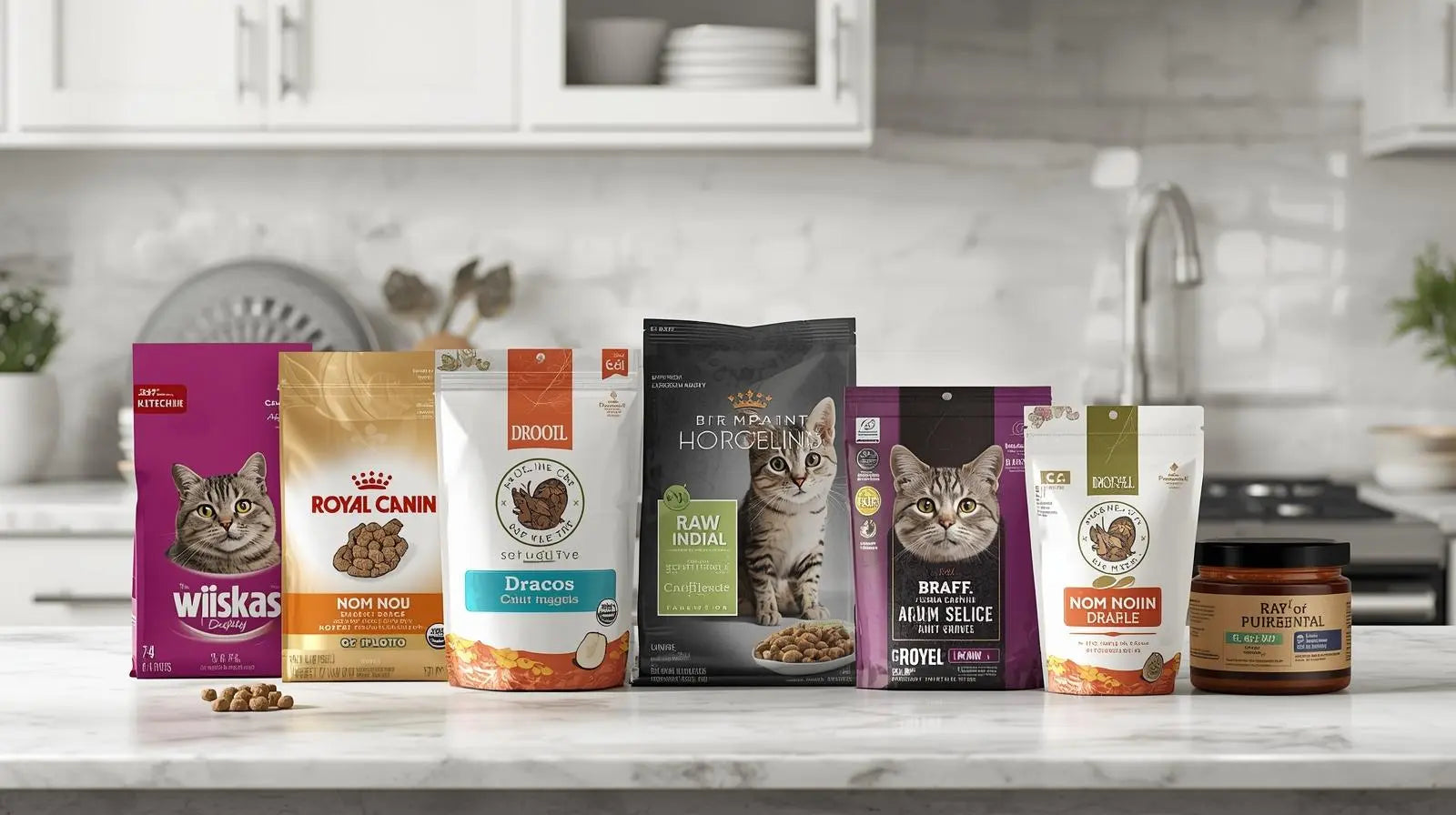
Cats thrive on high protein diets, but most commercial dry kibble is the opposite. Cheap dry foods often contain 30–50% carbohydrates from corn, wheat, rice, and potato. These are used to bind kibble - not to nourish your cat. The problem is more than nutritional mismatch. Excess carbohydrates raise blood glucose rapidly in cats. Their pancreas is forced to produce excess insulin. Over time, this cycle breaks down - leading to feline diabetes.
Why Kibble Relies on Carbohydrates
Kibble manufacturing requires a starchy binder to hold the pellet shape through extrusion.
Without carbs, dry food cannot be mass-produced. In short, the high-carb content of kibble is an
industrial convenience - not a nutritional choice.
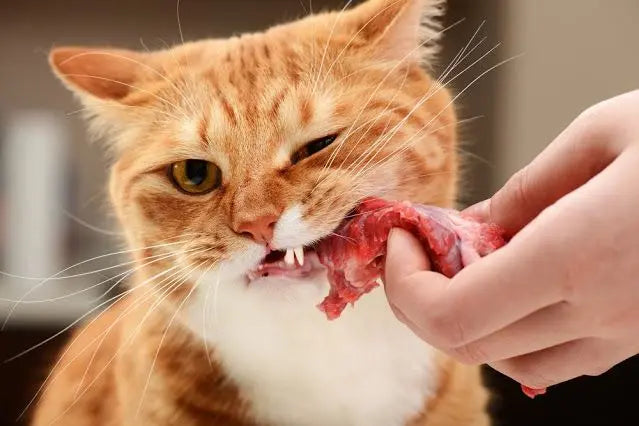
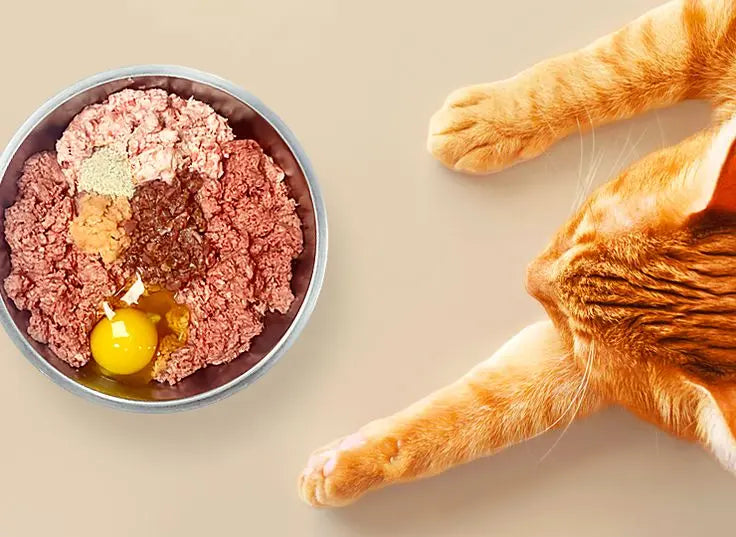
This is precisely why cats thrive on high protein wet food, raw diets, and freeze-dried options
far better than their kibble counterparts. These formats mirror the moisture-rich, protein-dense
profile of natural prey.
Did You Know?
The average dry kibble contains 3–5x more carbohydrates than a cat would ever consume
in the wild. A wild cat's natural diet is roughly 52% protein, 46% fat, and just 2%
carbohydrates.
LEARN MORE ABOUT INDIA'S NO.1 FRESH CAT FOOD
Start FreshHow Cats Thrive on High Protein to Maintain Muscle and Weight
Cats thrive on high protein intakes to preserve lean muscle mass throughout their entire lives.
Unlike dogs, cats use dietary protein as their primary energy source - not carbohydrates. This
makes protein even more critical for aging cats.
As cats age past seven, they begin losing muscle mass more rapidly - a condition called
sarcopenia. High-protein diets actively combat this. Studies show that senior cats on protein-rich
diets maintain better body condition scores than those on lower-protein formulas.
Protein and Healthy Weight Management in Cats
When cats thrive on high protein low-carb diets, weight management becomes far more
natural. Protein increases satiety. Cats feel full longer, reducing the urge to overeat. In contrast,
carb-heavy kibble often creates a cycle of overeating driven by blood sugar spikes and crashes.
Obese cats are at significant risk for hepatic lipidosis, diabetes, and joint disease. Transitioning
an overweight cat to a high-protein, low-carb diet under vet supervision is one of the most
effective interventions available.
 NATURE HAS ALREADY GIVEN THE RECIPE. WE HAVE ONLY IMPLEMENTED IT
Cats Thrive on High Protein for Better Blood Sugar and Urinary Health
Cats thrive on high protein diets that naturally stabilise blood glucose levels. Because protein is
metabolised slowly, there are no sharp insulin spikes. This is critically important for cats
predisposed to diabetes.
Feline diabetes is largely a diet-driven disease. Researchers at the University of California
Davis found that diabetic cats placed on high-protein, low-carbohydrate diets often achieved
diabetic remission. Many no longer required insulin injections.
Urinary Health: The Moisture and Protein Connection
Cats thrive on high protein wet foods partly because of their high moisture content. In nature,
cats obtain most hydration from their prey. Dry kibble forces cats to live in a state of mild,
chronic dehydration - a major driver of urinary tract disease and kidney problems.
High-protein wet diets increase urine volume and dilution. This reduces the concentration of
crystals and minerals that cause urinary blockages and feline lower urinary tract disease
(FLUTD). Furthermore, meat-based diets naturally produce more acidic urine, which
discourages struvite crystal formation.
Cats Thrive on High Protein: What to Look for in Cat Food
Cats thrive on high protein foods - but not all proteins are created equal. Knowing how to read a cat food label is essential. The ingredient list and guaranteed analysis section reveal exactly what your cat is eating.
How to Read a Cat Food Label
• Look for a named animal protein (chicken, turkey, salmon) as the first ingredient
• Avoid foods where corn, wheat, rice, or potato appear in the top five ingredients
• Check the guaranteed analysis: aim for crude protein above 40% on a dry matter basis
• Carbohydrates are not listed directly - subtract protein + fat + moisture + ash from
100%
• Choose AAFCO-approved formulas stating 'complete and balanced'
Cats thrive on high protein foods like canned wet food, raw frozen diets, freeze-dried options,
and air-dried meat-based recipes. These options generally contain 45–60% protein on a dry
matter basis - much closer to a cat's biological needs.
Transitionally, look for foods that list moisture content separately. A food with 78% moisture and
10% crude protein may actually have 45% protein on a dry matter basis - far more than it
appears at first glance.

Cats Thrive on High Protein - Real vs. Rendered Meat Ingredients
Cats thrive on high protein foods, but the source of that protein matters deeply. There is a significant difference between whole meat ingredients and rendered by-products. Understanding this helps you choose the best food for your cat.
Whole Meat vs. Meat Meal vs. By-Products

Cats thrive on high protein from whole, named animal sources. Named proteins - chicken, turkey, duck, salmon - indicate transparency in sourcing. By contrast, vague terms like 'meat by-product' offer no assurance of quality or consistency.
Cats Thrive on High Protein: Transitioning Your Cat to a Better Diet
Cats thrive on high protein diets, but switching too quickly can cause digestive upset. Cats are also notoriously food-imprinted. Many cats raised exclusively on dry kibble initially reject wet or raw food - but patience and strategy work.
Step-by-Step Transition Plan
1. Week 1: Mix 10% new food with 90% old food. Monitor for digestive changes.
2. Week 2: Increase new food to 25%. Begin reducing kibble portions.
3. Week 3: Move to a 50/50 blend. Add warm water or low-sodium broth to entice picky
eaters.
4. Week 4: Transition to 75% new food. Most cats are fully accepting by now.
5. Week 5+: Serve 100% new high-protein, low-carb diet.
Cats thrive on high protein diets most successfully when transitions are gradual and consistent.
Some cats need 6–8 weeks. Avoid free-feeding during the transition - scheduled mealtimes
encourage food acceptance.

Frequently Asked Questions
Conclusion: Cats Thrive on High Protein for a Longer, Healthier Life
Cats thrive on high protein diets — this is not a trend but a biological truth. Every aspect of
feline anatomy, metabolism, and evolutionary history points to the same conclusion: cats are
meat eaters first and always.
Low-carbohydrate, high-protein diets support muscle, stabilise blood sugar, protect the urinary
system, and prolong active, healthy lives. By contrast, carb-heavy dry kibble works against
feline biology at every level.
The good news: it is never too late to make the switch. Whether your cat is a kitten, an adult, or
a senior, choosing a high-quality, protein-first diet is one of the most impactful health decisions
you can make on their behalf.
Remember: cats thrive on high protein because that is exactly what nature designed them for.
Give your cat the diet evolution intended - and watch them flourish.
Understanding Why Cats Thrive on High Protein Diets
Cats thrive on high protein diets - and science backs this up completely. Unlike dogs or
humans, cats are strict metabolic carnivores. Their bodies rely on amino acids from animal
tissue for virtually every biological process.
Protein powers everything in a cat's body. From enzyme production to immune function, a
steady supply of quality animal protein is non-negotiable. Furthermore, cats lack the enzymes to
efficiently digest large amounts of plant-based carbohydrates.
Key Takeaway: Protein Is a Cat's Primary Fuel
When cats thrive on high protein foods, their liver continuously breaks down amino acids for
energy - a process called gluconeogenesis. Unlike other mammals, they can't simply switch
this off when carbs are present.
This metabolic reality means that feeding carb-heavy dry kibble is fundamentally at odds with
feline biology. Consequently, chronic carbohydrate overload can cause insulin resistance,
obesity, and type 2 diabetes in cats.
Cats Thrive on High Protein Because They Are Obligate Carnivores
Cats thrive on high protein sources for one foundational reason: they are obligate carnivores.
This means they must consume animal flesh to survive. Their bodies cannot synthesize taurine,
arachidonic acid, or vitamin A from plant sources.
Taurine alone illustrates this perfectly. Dogs can produce their own taurine. Cats cannot.
Without sufficient taurine from meat, cats develop dilated cardiomyopathy and blindness.
Additionally, cats need preformed vitamin A from liver - they cannot convert beta-carotene the
way humans can.
Essential Nutrients Only Found in Animal Protein
• Taurine - critical for heart and eye health
• Arachidonic acid - an essential omega-6 fatty acid from animal fat
• Preformed Vitamin A - obtained only from liver and meat
• Arginine - an amino acid cats cannot survive without
• Niacin - cats cannot convert tryptophan to niacin like other mammals
Because cats thrive on high protein animal sources, any diet low in meat is potentially
dangerous over time. Plant proteins like soy or corn gluten do not carry these same nutrients in
bioavailable forms.
Cats Thrive on High Protein - The Problem with Carb-Heavy Kibble
Cats thrive on high protein diets, but most commercial dry kibble is the opposite. Cheap dry foods often contain 30–50% carbohydrates from corn, wheat, rice, and potato. These are used to bind kibble - not to nourish your cat. The problem is more than nutritional mismatch. Excess carbohydrates raise blood glucose rapidly in cats. Their pancreas is forced to produce excess insulin. Over time, this cycle breaks down - leading to feline diabetes.
Why Kibble Relies on Carbohydrates
Kibble manufacturing requires a starchy binder to hold the pellet shape through extrusion.
Without carbs, dry food cannot be mass-produced. In short, the high-carb content of kibble is an
industrial convenience - not a nutritional choice.
This is precisely why cats thrive on high protein wet food, raw diets, and freeze-dried options
far better than their kibble counterparts. These formats mirror the moisture-rich, protein-dense
profile of natural prey.
Did You Know?
The average dry kibble contains 3–5x more carbohydrates than a cat would ever consume
in the wild. A wild cat's natural diet is roughly 52% protein, 46% fat, and just 2%
carbohydrates.
LEARN MORE ABOUT INDIA'S NO.1 FRESH CAT FOOD
Start FreshHow Cats Thrive on High Protein to Maintain Muscle and Weight
Cats thrive on high protein intakes to preserve lean muscle mass throughout their entire lives.
Unlike dogs, cats use dietary protein as their primary energy source - not carbohydrates. This
makes protein even more critical for aging cats.
As cats age past seven, they begin losing muscle mass more rapidly - a condition called
sarcopenia. High-protein diets actively combat this. Studies show that senior cats on protein-rich
diets maintain better body condition scores than those on lower-protein formulas.
Protein and Healthy Weight Management in Cats
When cats thrive on high protein low-carb diets, weight management becomes far more
natural. Protein increases satiety. Cats feel full longer, reducing the urge to overeat. In contrast,
carb-heavy kibble often creates a cycle of overeating driven by blood sugar spikes and crashes.
Obese cats are at significant risk for hepatic lipidosis, diabetes, and joint disease. Transitioning
an overweight cat to a high-protein, low-carb diet under vet supervision is one of the most
effective interventions available.
NATURE HAS ALREADY GIVEN THE RECIPE. WE HAVE ONLY IMPLEMENTED ITCats Thrive on High Protein for Better Blood Sugar and Urinary Health
Cats thrive on high protein diets that naturally stabilise blood glucose levels. Because protein is
metabolised slowly, there are no sharp insulin spikes. This is critically important for cats
predisposed to diabetes.
Feline diabetes is largely a diet-driven disease. Researchers at the University of California
Davis found that diabetic cats placed on high-protein, low-carbohydrate diets often achieved
diabetic remission. Many no longer required insulin injections.
Urinary Health: The Moisture and Protein Connection
Cats thrive on high protein wet foods partly because of their high moisture content. In nature,
cats obtain most hydration from their prey. Dry kibble forces cats to live in a state of mild,
chronic dehydration - a major driver of urinary tract disease and kidney problems.
High-protein wet diets increase urine volume and dilution. This reduces the concentration of
crystals and minerals that cause urinary blockages and feline lower urinary tract disease
(FLUTD). Furthermore, meat-based diets naturally produce more acidic urine, which
discourages struvite crystal formation.
Cats Thrive on High Protein: What to Look for in Cat Food
Cats thrive on high protein foods - but not all proteins are created equal. Knowing how to read a cat food label is essential. The ingredient list and guaranteed analysis section reveal exactly what your cat is eating.
How to Read a Cat Food Label
• Look for a named animal protein (chicken, turkey, salmon) as the first ingredient
• Avoid foods where corn, wheat, rice, or potato appear in the top five ingredients
• Check the guaranteed analysis: aim for crude protein above 40% on a dry matter basis
• Carbohydrates are not listed directly - subtract protein + fat + moisture + ash from
100%
• Choose AAFCO-approved formulas stating 'complete and balanced'
Cats thrive on high protein foods like canned wet food, raw frozen diets, freeze-dried options,
and air-dried meat-based recipes. These options generally contain 45–60% protein on a dry
matter basis - much closer to a cat's biological needs.
Transitionally, look for foods that list moisture content separately. A food with 78% moisture and
10% crude protein may actually have 45% protein on a dry matter basis - far more than it
appears at first glance.
Cats Thrive on High Protein - Real vs. Rendered Meat Ingredients
Cats thrive on high protein foods, but the source of that protein matters deeply. There is a significant difference between whole meat ingredients and rendered by-products. Understanding this helps you choose the best food for your cat.
Whole Meat vs. Meat Meal vs. By-Products
Cats thrive on high protein from whole, named animal sources. Named proteins - chicken, turkey, duck, salmon - indicate transparency in sourcing. By contrast, vague terms like 'meat by-product' offer no assurance of quality or consistency.
Cats Thrive on High Protein: Transitioning Your Cat to a Better Diet
Cats thrive on high protein diets, but switching too quickly can cause digestive upset. Cats are also notoriously food-imprinted. Many cats raised exclusively on dry kibble initially reject wet or raw food - but patience and strategy work.
Step-by-Step Transition Plan
1. Week 1: Mix 10% new food with 90% old food. Monitor for digestive changes.
2. Week 2: Increase new food to 25%. Begin reducing kibble portions.
3. Week 3: Move to a 50/50 blend. Add warm water or low-sodium broth to entice picky
eaters.
4. Week 4: Transition to 75% new food. Most cats are fully accepting by now.
5. Week 5+: Serve 100% new high-protein, low-carb diet.
Cats thrive on high protein diets most successfully when transitions are gradual and consistent.
Some cats need 6–8 weeks. Avoid free-feeding during the transition - scheduled mealtimes
encourage food acceptance.
Frequently Asked Questions
Conclusion: Cats Thrive on High Protein for a Longer, Healthier Life
Cats thrive on high protein diets — this is not a trend but a biological truth. Every aspect of
feline anatomy, metabolism, and evolutionary history points to the same conclusion: cats are
meat eaters first and always.
Low-carbohydrate, high-protein diets support muscle, stabilise blood sugar, protect the urinary
system, and prolong active, healthy lives. By contrast, carb-heavy dry kibble works against
feline biology at every level.
The good news: it is never too late to make the switch. Whether your cat is a kitten, an adult, or
a senior, choosing a high-quality, protein-first diet is one of the most impactful health decisions
you can make on their behalf.
Remember: cats thrive on high protein because that is exactly what nature designed them for.
Give your cat the diet evolution intended - and watch them flourish.