Raw for Maximum Nutrition
Made in our own Kitchens
Human grade products
28 April 2026
Raw Diet for Kidney Issues in Cats: An Owner's Guide
Learn how a raw diet for kidney issues can support your cat's renal health. Discover safe foods, key supplements, safe transition tips, and expert vet-backed advice.

28 April 2026
Raw Diet for Kidney Issues in Cats: The Complete Owner's Guide
Learn how a raw diet for kidney issues can support your cat's renal health. Discover safe foods, key supplements, safe transition tips, and expert vet-backed advice.
Table of contents
• Understanding Kidney Disease• Key Benefits of a Raw Diet• What to Feed Your Cat• Optimizing Hydration• Essential Supplements• Transitioning to a Raw Diet• Monitoring Your Cat's Progress• Common Mistakes by Cat Owners • FAQ's : Kidney Issues in Cats• ConclusionUnderstanding Kidney Disease in Cats
A raw diet for kidney issues is increasingly recognized as a valuable approach to managing feline renal disease. Kidney disease affects nearly 1 in 3 cats over age 10. Before exploring dietary solutions, understanding how kidney disease works helps owners make more confident decisions for their cat's long-term health.
Raw Diet for Kidney Issues: Recognizing the Warning Signs
Cats rarely show obvious signs of kidney trouble early on. Common symptoms include increased thirst, frequent urination, weight loss, vomiting, and lethargy. A raw diet for kidney issues may help slow symptom progression. However, early detection is key - if you notice any of these signs, schedule a vet visit immediately for bloodwork and urine analysis.
The Four Stages of Feline Kidney Disease
Feline kidney disease is classified into four stages by the International Renal Interest Society (IRIS). Stage 1 carries the best prognosis, while Stage 4 is life-threatening. Dietary changes, including a raw diet for kidney issues, are most impactful during early stages. Nutritional support still helps at every stage with proper veterinary guidance.

Key Benefits of a Raw Diet for Kidney Issues
Choosing a raw diet for kidney issues is backed by nutritional science. Unlike commercial dry food loaded with processed carbohydrates and synthetic additives, raw food mirrors a cat's ancestral diet. Furthermore, it puts far less stress on kidneys working at reduced capacity. The benefits are both measurable and meaningful for your cat's quality of life.
Raw Diet for Kidney Issues: Lower Phosphorus, Healthier Kidneys
Phosphorus control is central to managing kidney disease. High phosphorus accelerates kidney cell damage and speeds disease progression. A raw diet for kidney issues is naturally lower in phosphorus than commercial kibble, especially when bone meal and organ meat are limited. This makes managing phosphorus intake easier without relying solely on prescription foods or binders.
Raw Diet for Kidney Issues: Superior Hydration From Whole Foods
Dehydration worsens kidney disease rapidly. Dry kibble contains only 10% moisture - dangerously inadequate for cats with compromised kidneys. A raw diet for kidney issues provides 65–70% natural moisture through whole meats. This supports kidney filtration, reduces blood toxin concentration, and improves your cat's overall energy levels throughout the day.
Raw Diet for Kidney Issues: High-Quality, Bioavailable Protein
Cats are obligate carnivores - animal protein is essential for survival. A raw diet for kidney issues delivers highly bioavailable protein the body uses efficiently. Unlike heavily processed commercial foods, raw meat produces less metabolic waste. Less waste means fewer toxins for the kidneys to filter, easing the burden on already-damaged renal tissue significantly.
Raw Diet for Kidney Issues: What to Feed Your Cat
Not all raw foods are appropriate for cats with kidney disease. A well-planned raw diet for kidney issues focuses on low-phosphorus, high-moisture, lean protein sources. The goal is to nourish your cat without overloading compromised kidneys. Working with a feline nutritionist or veterinarian ensures the diet is balanced for your cat's specific kidney stage.
Best Protein Sources for a Raw Diet for Kidney Issues
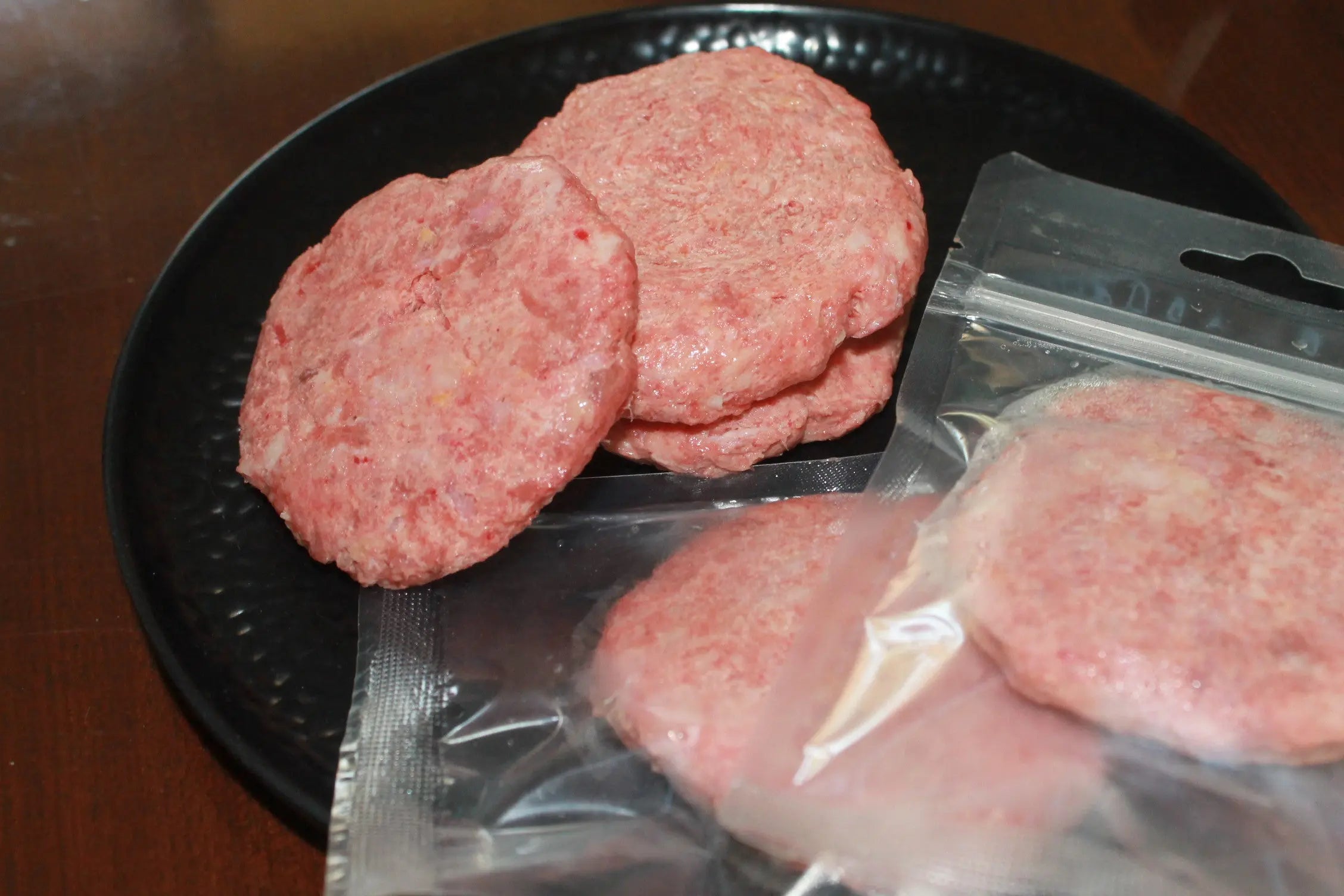
Lean meats work best in a raw diet for kidney issues. Chicken breast, turkey, and rabbit are low in fat and phosphorus - making them kidney-friendly choices. These proteins are highly digestible and rich in essential amino acids. Rotate between 2–3 protein types for nutritional variety. Avoid pork, deli meats, and fatty cuts that add unnecessary kidney stress.
Ingredients to Avoid When Managing Kidney Issues
Several common ingredients are harmful in a raw diet for kidney issues. Limit organ meats like liver to 5% or less of total diet volume - they are phosphorus-dense. Never include onions, garlic, grapes, or raisins, as all are toxic to cats. Similarly, avoid salty seasonings, dairy, and grain-based fillers that promote inflammation and dehydration.

Raw Diet for Kidney Issues: Optimizing Hydration
Hydration is at the heart of managing kidney disease. A raw diet for kidney issues contributes significantly to daily fluid needs through moisture-rich whole foods. Additionally, some cats benefit from extra hydration support. Providing fresh water alongside meals - or using a pet water fountain - encourages more consistent drinking throughout the day.
Unsalted Bone Broth as a Hydration Booster
Unsalted bone broth is an easy, palatable way to increase fluid intake. Pour 1–2 tablespoons over your cat's raw meal to boost moisture and add trace minerals. Most cats find the aroma irresistible. Importantly, the broth must contain zero onion, garlic, or salt. Homemade or low- sodium commercial varieties are safest for a kidney-support diet.
Raw Diet for Kidney Issues: Essential Supplements
Even a well-planned raw diet for kidney issues may lack certain nutrients. Strategic supplementation fills these gaps and supports long-term kidney health. Your vet may recommend phosphorus binders if levels remain elevated despite dietary changes. Always introduce supplements gradually and monitor your cat's reaction. Never self-prescribe without veterinary approval - excess dosing can further harm kidneys.
Taurine, Omega-3s, and B Vitamins for Kidney Support
Taurine is an essential amino acid cats cannot produce in sufficient quantities. A raw diet for kidney issues should include taurine-rich sources like heart meat or taurine supplements. Omega-3 fatty acids from fish oil reduce kidney inflammation. B vitamins, particularly B12, are often depleted in cats with CKD and may need supplementation under veterinary guidance.

Transitioning to a Raw Diet for Kidney Issues
Transitioning to a raw diet for kidney issues must be done slowly and deliberately. Abrupt diet changes cause gastrointestinal distress, especially in cats with compromised health. A gradual transition over 3–4 weeks allows the digestive system to adapt. Moreover, it gives you time to monitor how your cat responds before committing fully to raw feeding.
Step-by-Step Transition Timeline for a Raw Diet for Kidney Issues
Follow this four-week plan to ease your cat into a raw diet for kidney issues:
Week 1 - Mix 10% raw food into your cat's regular meals. Watch for digestive changes.
Week 2 - Increase raw food to 25%. Monitor appetite, stool consistency, and energy levels.
Week 3 - Move to 50% raw, 50% previous food. Most cats accept this without issue.
Week 4 - Aim for 75–100% raw. Continue monitoring and adjust based on vet feedback.

Consulting Your Veterinarian During the Raw Diet for Kidney Issues Transition
No two cats with kidney disease are alike. A raw diet for kidney issues must be customized to your cat's specific kidney stage, weight, and concurrent conditions. Regular bloodwork - every 3 months minimum - is non-negotiable during and after the transition. Your vet adjusts protein limits, phosphorus targets, and supplementation based on evolving lab results.
Raw Diet for Kidney Issues: Monitoring Your Cat's Progress
After starting a raw diet for kidney issues, consistent monitoring is essential. Schedule blood panels every 3 months to track BUN, creatinine, and phosphorus levels. These markers reveal how well kidneys are functioning. Improvements may take 4–8 weeks to appear in results. Meanwhile, track your cat's energy, coat quality, and hydration daily at home.
Key Lab Markers to Watch on a Raw Diet for Kidney Issues
Focus on three primary markers: BUN, creatinine, and SDMA. Elevated BUN and creatinine indicate poor kidney filtration. SDMA is an early marker that rises before creatinine does. A raw diet for kidney issues, when properly balanced, often helps stabilize these values over time. Always share dietary updates with your vet so results are interpreted in context.
LEARN MORE ABOUT INDIA'S NO.1 FRESH CAT FOOD
Start Fresh
Raw Diet for Kidney Issues: Common Mistakes Cat Owners Make
Even well-intentioned owners make errors when implementing a raw diet for kidney issues. The most common mistake is feeding too much organ meat, which is phosphorus-dense and can worsen kidney function rapidly. Additionally, many owners skip regular vet visits once a diet is established. Both mistakes can undo the benefits of a carefully planned raw feeding program.
Overfeeding Organ Meat on a Raw Diet for Kidney Issues
Organ meats like liver and kidney are nutritionally dense but phosphorus-heavy. In a raw diet for kidney issues, organs should never exceed 5–10% of total food volume. More is not better here. Excess phosphorus in a compromised kidney environment creates toxic buildup that accelerates CKD progression. Keep organs as a minor component, not a dietary staple.
Ignoring Vet Follow-Ups During a Raw Diet for Kidney Issues
Skipping vet check-ins is a dangerous habit. A raw diet for kidney issues requires ongoing adjustment as the disease progresses. What works at Stage 1 may be inappropriate at Stage 3. Blood results guide every decision, from protein limits to supplement dosing. Commit to quarterly vet visits - they are non-negotiable when managing a serious condition like CKD.

FAQ's : Raw Diet for Kidney Issues in Cats
Conclusion: Raw Diet for Kidney Issues - A Path Toward Better Feline Health
Managing kidney disease in cats is challenging, but a thoughtfully designed raw diet for kidney
issues can make a meaningful difference. By reducing phosphorus, boosting hydration, and
delivering high-quality protein, raw feeding supports feline kidneys in ways commercial diets
often cannot. Work closely with your vet, monitor progress regularly, and adjust as needed.
Your cat's quality of life is worth every careful step.
Transitioning to a raw diet for kidney issues is not a cure - but it is a powerful, proactive step.
Combined with veterinary care, it gives your cat the best possible chance at a longer, more
comfortable life. Start slow, stay consistent, and always let the science guide your decisions.
Understanding Kidney Disease in Cats
A raw diet for kidney issues is increasingly recognized as a valuable approach to managing feline renal disease. Kidney disease affects nearly 1 in 3 cats over age 10. Before exploring dietary solutions, understanding how kidney disease works helps owners make more confident decisions for their cat's long-term health.
Raw Diet for Kidney Issues: Recognizing the Warning Signs
Cats rarely show obvious signs of kidney trouble early on. Common symptoms include increased thirst, frequent urination, weight loss, vomiting, and lethargy. A raw diet for kidney issues may help slow symptom progression. However, early detection is key - if you notice any of these signs, schedule a vet visit immediately for bloodwork and urine analysis.
The Four Stages of Feline Kidney Disease
Feline kidney disease is classified into four stages by the International Renal Interest Society (IRIS). Stage 1 carries the best prognosis, while Stage 4 is life-threatening. Dietary changes, including a raw diet for kidney issues, are most impactful during early stages. Nutritional support still helps at every stage with proper veterinary guidance.
Key Benefits of a Raw Diet for Kidney Issues
Choosing a raw diet for kidney issues is backed by nutritional science. Unlike commercial dry food loaded with processed carbohydrates and synthetic additives, raw food mirrors a cat's ancestral diet. Furthermore, it puts far less stress on kidneys working at reduced capacity. The benefits are both measurable and meaningful for your cat's quality of life.
Raw Diet for Kidney Issues: Lower Phosphorus, Healthier Kidneys
Phosphorus control is central to managing kidney disease. High phosphorus accelerates kidney cell damage and speeds disease progression. A raw diet for kidney issues is naturally lower in phosphorus than commercial kibble, especially when bone meal and organ meat are limited. This makes managing phosphorus intake easier without relying solely on prescription foods or binders.
Raw Diet for Kidney Issues: Superior Hydration From Whole Foods
Dehydration worsens kidney disease rapidly. Dry kibble contains only 10% moisture - dangerously inadequate for cats with compromised kidneys. A raw diet for kidney issues provides 65–70% natural moisture through whole meats. This supports kidney filtration, reduces blood toxin concentration, and improves your cat's overall energy levels throughout the day.
Raw Diet for Kidney Issues: High-Quality, Bioavailable Protein
Cats are obligate carnivores - animal protein is essential for survival. A raw diet for kidney issues delivers highly bioavailable protein the body uses efficiently. Unlike heavily processed commercial foods, raw meat produces less metabolic waste. Less waste means fewer toxins for the kidneys to filter, easing the burden on already-damaged renal tissue significantly.
Raw Diet for Kidney Issues: What to Feed Your Cat
Not all raw foods are appropriate for cats with kidney disease. A well-planned raw diet for kidney issues focuses on low-phosphorus, high-moisture, lean protein sources. The goal is to nourish your cat without overloading compromised kidneys. Working with a feline nutritionist or veterinarian ensures the diet is balanced for your cat's specific kidney stage.
Best Protein Sources for a Raw Diet for Kidney Issues
Lean meats work best in a raw diet for kidney issues. Chicken breast, turkey, and rabbit are low in fat and phosphorus - making them kidney-friendly choices. These proteins are highly digestible and rich in essential amino acids. Rotate between 2–3 protein types for nutritional variety. Avoid pork, deli meats, and fatty cuts that add unnecessary kidney stress.
Ingredients to Avoid When Managing Kidney Issues
Several common ingredients are harmful in a raw diet for kidney issues. Limit organ meats like liver to 5% or less of total diet volume - they are phosphorus-dense. Never include onions, garlic, grapes, or raisins, as all are toxic to cats. Similarly, avoid salty seasonings, dairy, and grain-based fillers that promote inflammation and dehydration.
Raw Diet for Kidney Issues: Optimizing Hydration
Hydration is at the heart of managing kidney disease. A raw diet for kidney issues contributes significantly to daily fluid needs through moisture-rich whole foods. Additionally, some cats benefit from extra hydration support. Providing fresh water alongside meals - or using a pet water fountain - encourages more consistent drinking throughout the day.
Unsalted Bone Broth as a Hydration Booster
Unsalted bone broth is an easy, palatable way to increase fluid intake. Pour 1–2 tablespoons over your cat's raw meal to boost moisture and add trace minerals. Most cats find the aroma irresistible. Importantly, the broth must contain zero onion, garlic, or salt. Homemade or low- sodium commercial varieties are safest for a kidney-support diet.
Raw Diet for Kidney Issues: Essential Supplements
Even a well-planned raw diet for kidney issues may lack certain nutrients. Strategic supplementation fills these gaps and supports long-term kidney health. Your vet may recommend phosphorus binders if levels remain elevated despite dietary changes. Always introduce supplements gradually and monitor your cat's reaction. Never self-prescribe without veterinary approval - excess dosing can further harm kidneys.
Taurine, Omega-3s, and B Vitamins for Kidney Support
Taurine is an essential amino acid cats cannot produce in sufficient quantities. A raw diet for kidney issues should include taurine-rich sources like heart meat or taurine supplements. Omega-3 fatty acids from fish oil reduce kidney inflammation. B vitamins, particularly B12, are often depleted in cats with CKD and may need supplementation under veterinary guidance.
Transitioning to a Raw Diet for Kidney Issues
Transitioning to a raw diet for kidney issues must be done slowly and deliberately. Abrupt diet changes cause gastrointestinal distress, especially in cats with compromised health. A gradual transition over 3–4 weeks allows the digestive system to adapt. Moreover, it gives you time to monitor how your cat responds before committing fully to raw feeding.
Step-by-Step Transition Timeline for a Raw Diet for Kidney Issues
Follow this four-week plan to ease your cat into a raw diet for kidney issues:
Week 1 - Mix 10% raw food into your cat's regular meals. Watch for digestive changes.
Week 2 - Increase raw food to 25%. Monitor appetite, stool consistency, and energy levels.
Week 3 - Move to 50% raw, 50% previous food. Most cats accept this without issue.
Week 4 - Aim for 75–100% raw. Continue monitoring and adjust based on vet feedback.
Consulting Your Veterinarian During the Raw Diet for Kidney Issues Transition
No two cats with kidney disease are alike. A raw diet for kidney issues must be customized to your cat's specific kidney stage, weight, and concurrent conditions. Regular bloodwork - every 3 months minimum - is non-negotiable during and after the transition. Your vet adjusts protein limits, phosphorus targets, and supplementation based on evolving lab results.
Raw Diet for Kidney Issues: Monitoring Your Cat's Progress
After starting a raw diet for kidney issues, consistent monitoring is essential. Schedule blood panels every 3 months to track BUN, creatinine, and phosphorus levels. These markers reveal how well kidneys are functioning. Improvements may take 4–8 weeks to appear in results. Meanwhile, track your cat's energy, coat quality, and hydration daily at home.
Key Lab Markers to Watch on a Raw Diet for Kidney Issues
Focus on three primary markers: BUN, creatinine, and SDMA. Elevated BUN and creatinine indicate poor kidney filtration. SDMA is an early marker that rises before creatinine does. A raw diet for kidney issues, when properly balanced, often helps stabilize these values over time. Always share dietary updates with your vet so results are interpreted in context.
LEARN MORE ABOUT INDIA'S NO.1 FRESH CAT FOOD
Start FreshRaw Diet for Kidney Issues: Common Mistakes Cat Owners Make
Even well-intentioned owners make errors when implementing a raw diet for kidney issues. The most common mistake is feeding too much organ meat, which is phosphorus-dense and can worsen kidney function rapidly. Additionally, many owners skip regular vet visits once a diet is established. Both mistakes can undo the benefits of a carefully planned raw feeding program.
Overfeeding Organ Meat on a Raw Diet for Kidney Issues
Organ meats like liver and kidney are nutritionally dense but phosphorus-heavy. In a raw diet for kidney issues, organs should never exceed 5–10% of total food volume. More is not better here. Excess phosphorus in a compromised kidney environment creates toxic buildup that accelerates CKD progression. Keep organs as a minor component, not a dietary staple.
Ignoring Vet Follow-Ups During a Raw Diet for Kidney Issues
Skipping vet check-ins is a dangerous habit. A raw diet for kidney issues requires ongoing adjustment as the disease progresses. What works at Stage 1 may be inappropriate at Stage 3. Blood results guide every decision, from protein limits to supplement dosing. Commit to quarterly vet visits - they are non-negotiable when managing a serious condition like CKD.
FAQ's : Raw Diet for Kidney Issues in Cats
Conclusion: Raw Diet for Kidney Issues - A Path Toward Better Feline Health
Managing kidney disease in cats is challenging, but a thoughtfully designed raw diet for kidney
issues can make a meaningful difference. By reducing phosphorus, boosting hydration, and
delivering high-quality protein, raw feeding supports feline kidneys in ways commercial diets
often cannot. Work closely with your vet, monitor progress regularly, and adjust as needed.
Your cat's quality of life is worth every careful step.
Transitioning to a raw diet for kidney issues is not a cure - but it is a powerful, proactive step.
Combined with veterinary care, it gives your cat the best possible chance at a longer, more
comfortable life. Start slow, stay consistent, and always let the science guide your decisions.