Raw for Maximum Nutrition

Made in our own Kitchens

Human grade Ingredients

Raw for Maximum Nutrition

Made In Our Kitchen

Human Grade Products

Kidney Issues in Cats: Causes, Symptoms, Treatment & Diet Guide

WRITTEN  BY NIVEDITA FERNANDES
12/9/2025
5 MIN READ

TABLE OF CONTENTS

  • Kidney Issues in Cats: Causes, & Symptoms.
  • Understanding the Role of Kidneys in Cats
  • What Are Kidney Issues in Cats?
  • Causes of Kidney Problems in Cats
  • Signs and Symptoms to Watch For
  • Stages of Kidney Disease in Cats
  • The Role of Diet in Kidney Health
  • How BARF India’s Cooked Cat Food Helps
  • Final Thoughts

If you’ve been searching for a healthier, fresher alternative to processed kibble, BARF India’s cooked cat food is the answer. Made from human-grade, preservative-free ingredients, it’s the closest you can get to homemade cat food — without the effort. Our sampler pack is perfect for finicky cats, giving them a chance to explore every recipe and find their favourite.

Kidney Issues in Cats: Causes, Symptoms, Treatment & Diet Guide

Cats are mysterious creatures, often hiding discomfort until it's too late. One of the most common but often undetected health concerns in felines is kidney disease. As cats age, their kidneys can begin to deteriorate, leading to life-threatening complications if not managed early.

In this detailed guide, we explore kidney issues in cats—from symptoms and causes to prevention and how a fresh, preservative-free cooked diet like BARF India's can support their health.

Understanding the Role of Kidneys in Cats

The kidneys are among the most essential organs in a cat's body. They filter waste and toxins from the bloodstream, help regulate the balance of water and electrolytes, produce key hormones, and maintain stable blood pressure.

When kidney function starts to decline, these processes become inefficient, resulting in a buildup of toxins and imbalances in the body. This can lead to severe illness if not detected and addressed early

Kitten Food.png__PID:471059e4-a771-4ce6-bc4c-789f82d4417a

What Are Kidney Issues in Cats?

Kidney problems typically fall under two categories: chronic kidney disease (CKD) and acute kidney injury (AKI). CKD is a slow, progressive deterioration in kidney function, most common in senior cats. On the other hand, AKI happens suddenly—often due to ingestion of toxins, severe dehydration, or trauma—and can sometimes be reversed with prompt treatment.

Causes of Kidney Problems in Cats

Several factors can contribute to kidney issues in cats:

  • Aging: Most common in cats older than seven years.
  • Poor diet: Diets high in preservatives and low in moisture can accelerate kidney decline.
  • Dehydration: Chronic low water intake stresses the kidneys.
  • Toxins: Lilies, antifreeze, certain medications, and even low-quality foods can cause damage.
  • Dental disease: Bacteria from the mouth can travel to internal organs, including kidneys.
  • Genetics: Breeds like Persians, Siamese, and Abyssinians are more prone.
  • Infections: Urinary tract infections can spread to the kidneys.

Signs and Symptoms to Watch For

Cats are experts at masking pain, but subtle changes can signal kidney trouble. Some common signs include increased thirst and urination, unexplained weight loss, loss of appetite, nausea, vomiting, and lethargy. You might also notice bad breath with a strong ammonia odor or a dull, unkempt coat.

These symptoms often progress slowly and may be easy to miss until the disease advances. Regular observation and routine checkups are essential, especially as your cat ages.

Diagnosis: How Vets Detect Kidney Issues: 
If you suspect kidney issues, your vet may perform a series of diagnostic tests. These typically include blood tests to check for elevated creatinine and BUN levels, urinalysis to assess kidney concentration ability, imaging (such as ultrasound) to examine kidney structure, and blood pressure monitoring to detect hypertension, which is often linked to kidney decline.

Together, these tests help determine the stage of the disease and guide treatment decisions.

LEARN MORE ABOUT INDIA'S No.1 FRESH CAT FOOD

FRESH CAT FOOD

Stages of Kidney Disease in Cats

Chronic kidney disease is categorized into four stages based on severity:

  • Stage 1: Mild changes in kidney function with few or no symptoms.
  • Stage 2: Noticeable increase in waste products in the blood; possible mild symptoms.
  • Stage 3: Clear symptoms such as vomiting, appetite loss, and weight loss.
  • Stage 4: Advanced kidney failure with severe symptoms and high toxin levels.

Early-stage diagnosis offers the best chance for managing the disease effectively and slowing its progression.

Sick Cat.png__PID:17c8d97f-5e9b-4cb5-853e-ef3cbfef9b5a

The Role of Diet in Kidney Health

A high-quality diet is foundational for managing kidney disease. Cats with kidney issues benefit most from food that supports hydration, eases the burden on kidneys, and provides essential nutrients without harmful additives.

Look for:

  • High moisture content: Encourages hydration and helps flush toxins.
  • Controlled phosphorus levels: Reduces further kidney damage.
  • Moderate protein from high-quality sources: Prevents muscle wasting without overloading the kidneys.
  • Free from preservatives and artificial ingredients: Minimizes toxin intake.

A fresh food approach—especially one that includes cooked, moisture-rich meals—can make a significant difference.

Preventing Kidney Problems in Cats
While some causes of kidney disease are unavoidable, several preventive steps can protect your cat:

  • Ensure constant access to fresh, clean water.
  • Feed a moisture-rich diet rather than dry kibble.
  • Avoid exposing your cat to toxic plants or chemicals.
  • Maintain dental hygiene to prevent bacterial infections.
  • Schedule regular veterinary checkups, especially after age seven.
  • Be attentive to behavioral changes or subtle signs of discomfort.

Prevention starts with awareness and ends with consistent, conscious care.

GET A SAMPLER PACK

How BARF India’s Cooked Cat Food Helps

Diet is often the most overlooked but powerful tool in protecting kidney health. BARF India’s cooked cat food is crafted to offer a fresh, preservative-free, and balanced diet that aligns with your cat’s natural nutritional needs.

Why Choose BARF India:

  • Fresh, real meat as the primary ingredient
  • Free from artificial preservatives and fillers
  • High moisture content to support kidney function
  • Easily digestible meals ideal for cats with sensitive systems

Kittens raised on fresh food diets tend to develop robust immune systems and healthier kidneys as they grow. Feeding your cat right from the start makes a world of difference later in life.

Final Thoughts:

Kidney issues in cats may be common, but they don’t have to mean the end of vitality or comfort. With early detection, proper veterinary care, and a fresh, moisture-rich diet, cats can live full, happy lives.

A switch to BARF India’s cooked cat food provides the nourishment your cat deserves without preservatives, with full transparency, and with a whole lot of love.Explore BARF India’s Cooked Cat Food Range — and support your cat’s kidney health the natural way.

👉 Ready to see the difference? Try our Cooked Cat Food Sampler Pack today and discover your cat’s new favorite meal.

Hopefully, this guide has answered any questions you might have had about why cooked cat food from BARF India is a great choice for your feline. If you have any further questions or need personalised advice on transitioning your cat to fresh, homemade-style meals, feel free to email us at admin@barfindia.com. We’re always happy to help and ensure your cat enjoys the healthiest, tastiest diet possible!

YOU MAY ALSO LIKE
Raw cat food

Why Raw Cat Food is the Best Choice for Cats in India: A Complete Guide to Feline Nutrition

Oct 28, 2024
by
Nivedita Fernandes

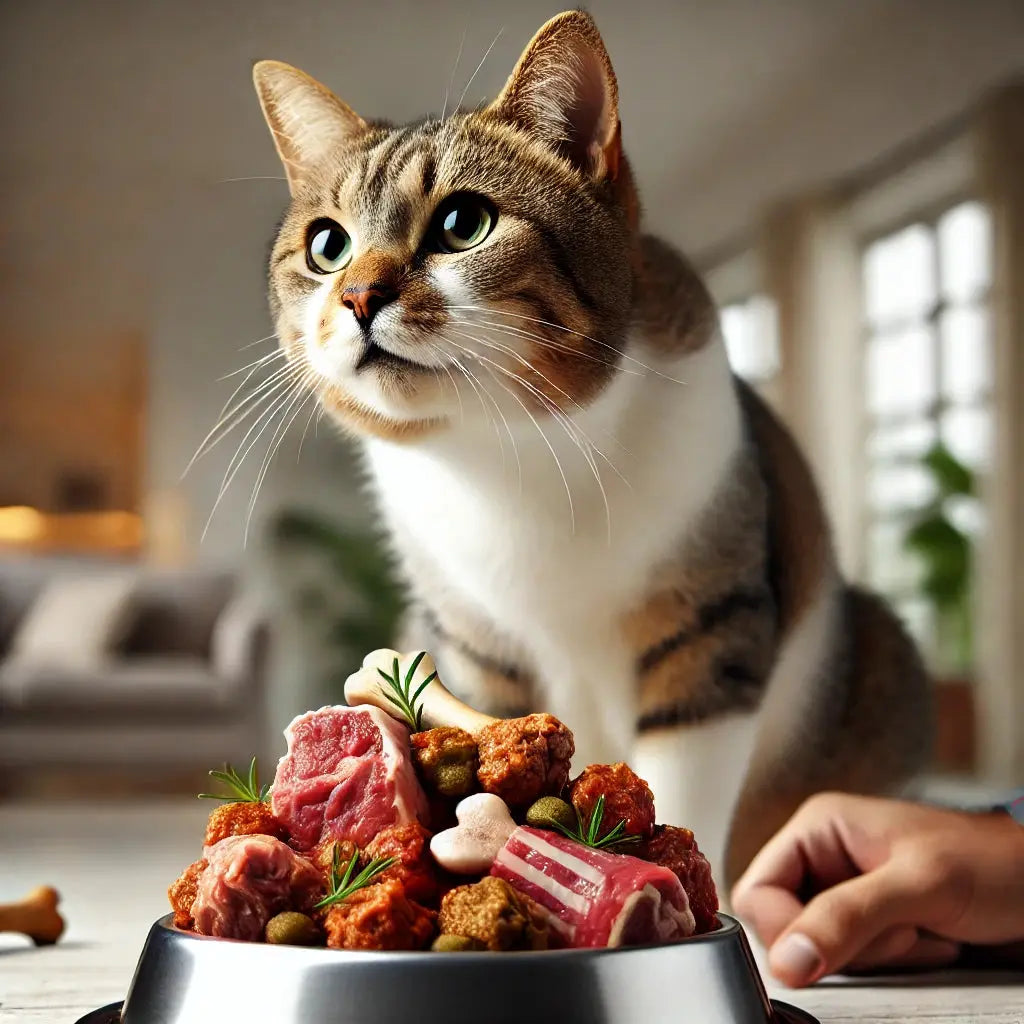
Raw cat food is rapidly gaining popularity among Indian pet parents—and for good reason. Unlike commercial options, raw food offers a natural, nutrient-rich diet that aligns with a cat's carnivorous nature. From better digestion and shinier coats to increased energy levels and improved hydration, the benefits of raw feeding are significant. In this guide, we explore why raw cat food is the healthiest choice for your feline friend in India and how you can make the transition seamlessly. Discover why your cat deserves raw nutrition and how BARF India's Raw Cat Food can make all the difference

Raw Cat Food in India: Why It’s the Best Choice for Your Feline Friend

When it comes to choosing the best food for your cat, the debate often revolves around raw vs. commercial cat food. But if you’re looking for optimal health, longevity, and vitality for your beloved feline, raw cat food stands out as the best choice. This trend is gaining traction in India, where pet parents are becoming more aware of their cats’ nutritional needs. In this article, we’ll explore why raw cat food is the ideal option and how you can make the switch safely for your cat.


Why Raw Cat Food? Understanding Feline Nutrition

Cats are obligate carnivores, meaning their bodies are biologically designed to thrive on a meat-based diet. Unlike humans or dogs, cats rely heavily on animal protein, fats, and other nutrients that are primarily found in raw meat. Here’s why raw cat food is superior to other types of cat food:

  1. Complete and Balanced Nutrition: Raw cat food is nutrient-dense and mimics the diet cats would naturally consume in the wild. It provides essential amino acids like taurine, fatty acids, and enzymes that are often lost in the cooking process of commercial foods. These nutrients help maintain a cat's lean muscle mass, glossy coat, and overall health.

  2. Improved Digestion: Cats have a short digestive tract that is specifically designed to process raw meat. A raw diet is more easily digested and absorbed than processed foods. This leads to smaller, less odorous stools and a reduction in digestive issues such as constipation or diarrhea.

  3. Better Hydration: Cats often do not drink enough water, which can lead to chronic dehydration. Raw cat food contains a higher moisture content, ensuring that cats receive sufficient hydration from their diet itself.

  4. Enhanced Skin and Coat Health: The fatty acids found in raw cat food contribute to a shinier coat and healthier skin. Cats on raw diets often show reduced instances of dry skin, itching, and shedding, thanks to the natural oils present in raw meat and fish.

  5. Natural Weight Management: With fewer fillers, carbohydrates, and processed ingredients, raw cat food helps maintain a cat’s natural body weight. It satisfies their hunger more effectively, preventing overeating and reducing the risk of obesity.

  6. Boosted Energy Levels: Cats on a raw diet often display increased energy, improved playfulness, and better overall behavior. The nutrient-rich nature of raw cat food supports vitality and encourages active lifestyles.

  7. Dental Health: Raw food, especially when it includes raw meaty bones, helps in cleaning a cat’s teeth naturally. This contributes to stronger gums, fresher breath, and reduced risk of periodontal disease.


Making the Switch: How to Introduce Raw Cat Food in India

Transitioning your cat to a raw food diet should be done gradually to avoid digestive upset and to give your feline time to adjust to new textures and flavors.

  1. Start Slowly: Begin by mixing a small amount of raw cat food with your cat’s current diet. Gradually increase the proportion of raw food over 7 to 10 days.

  2. Choose the Right Ingredients: Ensure that you’re providing a balanced mix of raw meat, organs, and bones. For those new to raw feeding, pre-packaged raw cat food products are an excellent choice. BARF India offers complete and balanced raw cat food specifically designed for Indian cats.

  3. Monitor Your Cat’s Response: Pay close attention to your cat's stools, coat condition, and energy levels during the transition period. Any signs of digestive upset might indicate the need to slow down the switch or adjust ingredients.

  4. Add Variety: Cats thrive on a variety of proteins. Rotate between chicken, fish, and other meats to prevent your cat from getting bored and to ensure a broad spectrum of nutrients.

  5. Consult with a Vet: Before making the switch, it’s best to consult with your veterinarian. They can help you understand any specific dietary needs or restrictions your cat may have.


Raw Cat Food vs. Commercial Cat Food: The Indian Perspective

The Indian market for pet food has seen exponential growth, but not all commercial cat food options meet the standards of nutrition that raw cat food provides. Here are the key differences between raw cat food and commercial cat food:

  1. Ingredient Quality: Most commercial cat foods in India contain grains, fillers, and preservatives, which are not necessary for a cat’s diet. Raw cat food, on the other hand, focuses solely on meat, bones, and organs—aligning perfectly with a cat’s nutritional needs.

  2. Freshness: Raw cat food is prepared fresh, ensuring a high level of nutrient preservation. Commercial foods, while convenient, often undergo heat processing, which can diminish their nutritional value.

  3. Price vs. Value: While raw cat food may seem pricier initially, the long-term health benefits and reduced vet bills make it a more cost-effective choice. Plus, buying raw cat food from trusted suppliers like BARF INDIA ensures you’re getting the best quality.

  4. Impact on Health Conditions: Cats on commercial diets are more prone to health issues like obesity, diabetes, and urinary tract infections. Raw cat food provides the right balance of nutrients to prevent such ailments.


Common Myths About Raw Cat Food in India

Despite its benefits, there are many myths surrounding raw cat food that can make Indian pet parents hesitant to switch. Here, we’ll debunk some of these misconceptions:

  1. Myth: Raw Food Is Dangerous Due to Bacteria

    • While it’s true that raw meat can harbor bacteria, cats have a natural resistance to many of these pathogens. They have acidic stomachs designed to handle raw meat, reducing the risk of infection.
  2. Myth: It’s Time-Consuming to Prepare

    • While preparing raw cat food at home can be time-consuming, pre-packaged options from brands like BARF India make it incredibly easy. These ready-to-serve raw meals require minimal effort.
  3. Myth: Raw Food Isn’t Safe for Indoor Cats

    • Whether a cat is indoor or outdoor, its nutritional needs remain the same. Indoor cats can benefit just as much from raw food as outdoor cats, enjoying better health and vitality.
  4. Myth: Raw Cat Food Is Too Expensive

    • While the upfront cost may seem higher, the overall savings on vet bills and supplements make it a worthwhile investment. Brands like BARF India offer affordable, high-quality options that cater to the Indian market.


How Raw Cat Food Benefits Cats in the Indian Climate

Cats in India face specific challenges, such as heat and humidity, which can impact their health. Raw cat food offers several benefits that help cats thrive in the Indian climate:

  1. Maintaining Hydration: The high moisture content in raw cat food is especially beneficial in India’s warm climate, helping prevent dehydration.

  2. Reducing Heat Stress: Raw cat food is easier to digest, reducing the risk of heat stress, which can be common in warmer regions.

  3. Preventing UTIs: Urinary tract infections (UTIs) are common among cats, especially in hot and humid weather. The moisture content in raw cat food helps to prevent UTIs by keeping the urinary tract well-flushed.


Why Choose BARF India for Your Cat?

At BARF India, we believe in providing the best raw cat food in India, ensuring a balanced diet that meets your cat’s unique nutritional needs. Our raw cat food:

  • Is made from high-quality, locally sourced ingredients.
  • Contains no preservatives, fillers, or artificial additives.
  • Offers a balanced mix of meat, bones, and organs.
  • Comes in convenient packaging to make feeding easy and hassle-free.

Check out our range of raw cat food products and give your cat the best diet possible!


FAQs About Raw Cat Food in India

  1. Is raw cat food suitable for all breeds? Yes, raw cat food is suitable for all cat breeds in India, from Siamese to Bengal cats, as long as it’s nutritionally balanced.

  2. Can I feed raw cat food to kittens? Kittens can start on raw cat food once they are weaned. It’s important to provide the right portion size and nutritional balance.

  3. Is it safe to prepare raw cat food at home? Yes, but it requires careful sourcing of ingredients and proper hygiene. For convenience and safety, opt for BARF India's pre-packaged raw cat food.

  4. How do I store raw cat food? Raw cat food should be kept frozen and thawed in the refrigerator before serving.


Conclusion: Raw Cat Food—The Best Cat Food for Your Feline in India

Choosing raw cat food for your cat in India is a step toward better health, improved digestion, and a happier, more active feline friend. As awareness of feline nutrition grows, raw feeding is becoming more popular among responsible pet parents. Switch to raw cat food today and notice the difference in your cat’s health and happiness!

Oct 28, 2024
by
Nivedita Fernandes