Raw for Maximum Nutrition
Made in our own Kitchens
Human grade products
24 October 2026
Is Duck Safe for Dogs? Meats Dogs Should Never Eat
Is duck safe for dogs? Yes, when plain. Learn which meats to avoid for dogs, the one meat dogs should never eat and the three meats vets warn about most.

Table of contents
• Is Duck Safe for Dogs? • What Makes Meat Unsafe • Meats Dogs Should Not Eat?• What Meats to Avoid feeding?• Meats to Avoid for Dogs• Raw and Undercooked Meat• FAQ's• ConclusionThis guide answers three questions pet parents search for again and again. What meat should you avoid for dogs? What is the one meat dogs should never eat? And what three meats should dogs avoid? We also explain exactly where duck fits on the safe list.
Is Duck Safe for Dogs? Understanding Safe and Unsafe Meat
Is duck safe for dogs? Yes, plain cooked duck is a safe and nutritious meat for most dogs.
Yet many owners are unsure which meats belong in the bowl and which belong in the bin.
Some meats are healthy staples. Others, especially processed and heavily seasoned ones,
can cause real harm.
This guide answers three questions pet parents search for again and again. What meat
should you avoid for dogs? What is the one meat dogs should never eat? And what three
meats should dogs avoid? We also explain exactly where duck fits on the safe list.
The aim is simple: to help you share meat safely and confidently. For more on duck nutrition,
read our main guide to duck meat for dogs. If your dog has just eaten something worrying,
contact your vet now. The information here is general and does not replace professional
advice.
Is Duck Safe for Dogs? The Quick Answer
Duck is safe for dogs when it is cooked plainly and served without skin, bones or seasoning. It provides high-quality protein, iron, zinc and B vitamins. Many commercial foods use duck as a novel protein for dogs with allergies. In the right form, duck is a healthy meat.
When Duck Becomes Unsafe
Duck turns risky in three situations. First, when it contains cooked bones, which splinter. Second, when it includes fatty skin or drippings, which can trigger pancreatitis. Third, when it is cooked with sauces containing garlic, onion or lots of salt. These rules apply to almost every meat, not just duck.
Duck for Sensitive Dogs
Duck is also a smart choice for some dogs with food sensitivities. Because few dogs have eaten it, it rarely triggers allergies. Our guide to duck for dogs with allergies explains how to use duck in an elimination diet. Even so, any new meat should be introduced slowly.

What Makes a Meat Unsafe for Dogs?
Very few meats are toxic in themselves. Instead, meat becomes dangerous because of how it is processed, cooked, seasoned or stored. Understanding these factors helps you judge any meat, including duck, chicken, beef or pork. Once you know them, the "avoid" list makes much more sense.
The Five Main Risk Factors
• Salt and preservatives in cured and processed meats
• Garlic, onion and other alliums in seasonings and sauces
• High fat, which can trigger pancreatitis
• Cooked bones, which splinter into sharp fragments
• Bacteria and parasites in raw, undercooked or spoiled meat
Why Human Food Is the Main Problem
Most of these hazards come from preparing meat for people. We season for taste, cure for shelf life and roast for crispness. Dogs do not need any of that. A plain piece of cooked duck or chicken is all a dog needs. The more a meat is "improved" for humans, the riskier it becomes for dogs.
What Is the One Meat Dogs Should Never Eat?
There is no single meat that is poisonous in the way grapes or chocolate are. However, if we had to choose one category, it would be heavily processed, seasoned meat. Think of bacon, sausages, salami, pepperoni and hot dogs. Duck is a far safer choice than any of these.
Why Processed Meat Tops the List
Unlike plain duck, processed meats combine several risks in one bite. They are very high in
salt and often high in fat. Many contain garlic, onion or spice blends. Some include
preservatives such as nitrites. Together, these ingredients can cause stomach upset,
pancreatitis and, in large amounts, salt toxicity.
Furthermore, these meats offer nothing a dog cannot get from plain duck or chicken. Their
main appeal is flavour, which is exactly what makes dogs beg. That begging can tempt
owners into regular sharing. Over time, the extra salt and fat contribute to obesity and
digestive problems.
A Special Warning About Seasoned Meat
Any meat cooked with onion or garlic deserves the same caution, whether it is duck curry, sausage or a spiced kebab. These alliums damage red blood cells and can cause anaemia. The effects may appear days later. When a meat has been seasoned, the safest answer is simply no.
LEARN MORE ABOUT INDIA'S NO.1 FRESH DOG FOOD
Start FreshWhat Three Meats Should Dogs Avoid?
When vets talk about meats to avoid, three groups come up again and again. These are processed meats, fatty cuts with cooked bones, and raw or undercooked meats from risky sources. Each group causes problems for different reasons. Plain cooked duck, by contrast, belongs on the safe list.
1. Processed and Cured Meats
Bacon, ham, sausages, salami, deli meats and hot dogs are high in salt and fat. Many contain garlic, onion and preservatives. These meats are linked to pancreatitis, stomach upsets and, in large amounts, salt poisoning. They are best kept off your dog's menu entirely, and plain duck or turkey makes a better reward.
2. Fatty Cuts, Skin and Cooked Bones
Fatty trimmings, poultry skin, crackling and roast drippings can trigger pancreatitis. Cooked bones from duck, chicken, lamb, pork or beef can splinter and injure the gut. These leftovers are among the most common causes of emergency vet visits after family meals.
3. Raw or Undercooked Pork, Wild Game and Wild Fish
Fatty trimmings, poultry skin, crackling and roast drippings can trigger pancreatitis. Cooked bones from duck, chicken, lamb, pork or beef can splinter and injure the gut. These leftovers are among the most common causes of emergency vet visits after family meals.
 NATURE HAS ALREADY GIVEN THE RECIPE. WE HAVE ONLY IMPLEMENTED IT
Meats to Avoid for Dogs and Safer Swaps
Processed and Cured Meats: Bacon, Ham, Sausage and Deli Meat
Processed meats deserve a closer look because they are so common in our kitchens. They are easy to share as scraps, and dogs love them. Yet compared with plain duck or chicken, they carry far higher levels of salt, fat and additives. Here is how the main types compare.
Bacon and Ham
Bacon is extremely fatty and salty, making it a classic pancreatitis trigger. Ham is also very
salty and is often glazed with sugar or honey. Some hams are flavoured with cloves or other
spices. A tiny piece is unlikely to cause harm, but regular sharing is a bad habit. Swap it for a
cube of plain duck instead.
Sausages, Salami and Hot Dogs
Sausages and salami usually contain garlic, onion powder, pepper and other seasonings.
They are also high in fat and salt. Hot dogs add preservatives and fillers. If you want a high-
value training reward, small pieces of plain cooked duck or chicken are a far healthier option.
Deli Meats and Ready Meals
Sliced deli meats look lean, but they are often heavily salted. Some contain garlic or onion in
the cure or seasoning. Ready meals and takeaways with meat usually include sauces that
dogs should not eat. As a rule, if a meat comes in a packet with a long ingredient list, skip it
and reach for plain cooked duck instead.
Raw and Undercooked Meat Risks: Pork, Game and Fish
Raw feeding is popular, but raw meat carries real risks for dogs and the people around them. One should follow sinmple basic precautions while handling Raw metas.
Raw Pork and Wild Boar
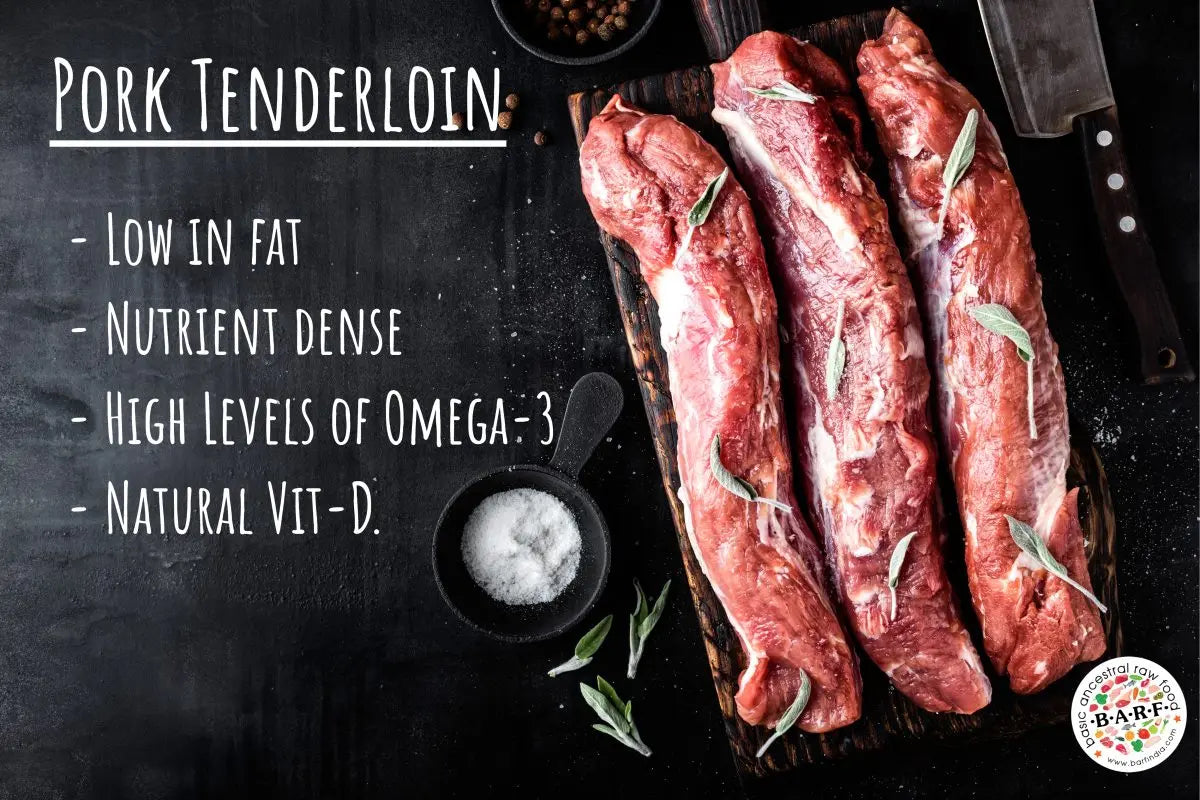
Raw wild pork can carry parasites such as Trichinella in some regions. More seriously, raw pork and wild boar can transmit the virus that causes Aujeszky's disease. In dogs, this illness is almost always fatal. Cooked plain pork, without fat or seasoning, is generally safe in small amounts. Cooked duck is a safer choice if you want a novel meat.
Raw Wild Game and Wild Fish
Raw venison, rabbit and other wild game may carry tapeworms and other parasites. Game shot by hunters can contain lead fragments. Raw salmon and trout from parts of North America can cause salmon poisoning disease. Our duck vs salmon for dogs guide explains this risk in detail.
Spoiled and Mouldy Meat
Meat that has gone off or turned mouldy can contain bacterial toxins and mycotoxins. Some
moulds produce toxins that cause tremors and seizures in dogs. Never feed meat that smells
bad, is past its date or has been left out for hours. When in doubt, throw it out.
This applies to leftover duck too. Refrigerate cooked duck within two hours and use it within
two days. Reheat it only once, and serve it plain and cool enough for your dog to eat
comfortably.

FAQs About Meats Dogs Should Avoid
Conclusion: Is Duck Safe for Dogs, and Which Meats Should You Avoid?
Is duck safe for dogs? Yes, plain cooked duck without skin, bones or seasoning is a safe
and healthy meat. The same is true of chicken, turkey, lean beef, lamb, cooked pork and
cooked fish. What makes meat dangerous is usually how humans prepare it, not the animal
it came from.
The meats to avoid fall into three groups: processed and cured meats, fatty cuts and cooked
bones, and raw or undercooked meats from risky sources. If you must remember one rule,
make it this: never share seasoned, processed meat such as bacon, sausage or salami.
Keep your dog's treats simple and safe. Plain cooked duck pieces make excellent rewards,
and purpose-made chews satisfy the urge to gnaw. Shop our dog chews for safe options.
Next, discover whether eggs are a healthy extra in our guide to duck eggs for dogs.