Raw for Maximum Nutrition
Made in our own Kitchens
Human grade products
24 October 2026
Duck for Dogs with Allergies: Feeding Itchy Dogs
Duck for dogs with allergies: why duck works as a novel protein, how to run an elimination diet, and how to pick the best food for itchy dogs.

Table of contents
• Why Duck for Dogs with Allergies Works• Is Duck Good for Dogs with Allergies? • Signs Your Dog Has a Food Allergy (Not Something Else)• Duck vs Common Allergens: Beef, Dairy, Chicken and Wheat• How to Choose and Use Duck for an Itchy Dog• What Is the Best Dog Food for Itchy Dogs?• Reading Labels on Duck Dog Food: Hidden Traps• Treats, Chews and Extras on a Duck Diet for Dogs• FAQs About Duck for Dogs with Allergies• ConclusionTable of contents
• Why Duck for Dogs with Allergies Works• Is Duck Good for Dogs with Allergies? • Signs Your Dog Has a Food Allergy (Not Something Else)• Duck vs Common Allergens: Beef, Dairy, Chicken and Wheat• How to Choose and Use Duck for an Itchy Dog• What Is the Best Dog Food for Itchy Dogs?• Reading Labels on Duck Dog Food: Hidden Traps• Treats, Chews and Extras on a Duck Diet for Dogs• FAQs About Duck for Dogs with Allergies• ConclusionThis guide is part of our wider series on duck meat for dogs. It is written for general education, so confirm any diagnosis with your veterinarian before changing your dog's diet. Allergies share symptoms with fleas, mites and skin infections, and those problems need very different treatment.
Why Duck for Dogs with Allergies Works
Duck for dogs with allergies has become a go-to choice for pet parents who are tired of
endless scratching. If your dog licks its paws, chews its skin or keeps getting ear infections,
food may be part of the problem. Duck offers a simple thing to test. Most dogs have never
eaten it, so their immune system has had no chance to react to it.
However, duck is not a magic cure. It works because of what it is not: it is not the chicken or
beef found in most commercial foods. In this guide, you will learn when duck helps, when it
does not, and how to use it properly. We also answer a question many owners ask: what is
the best dog food for itchy dogs?
This guide is part of our wider series on duck meat for dogs. It is written for general
education, so confirm any diagnosis with your veterinarian before changing your dogs diet.
Allergies share symptoms with fleas, mites and skin infections, and those problems need
very different treatment.
What a Novel Protein Means for Dogs with Allergies
A novel protein is simply a protein your dog has never eaten before. Food allergies develop through repeated exposure, so the immune system can only overreact to something it has already met. Duck is novel for most dogs because it rarely appears in mainstream pet food. That is the whole reason it is used in allergy diets.
How Food Allergies Develop in Dogs
In a true food allergy, the immune system mistakes a food protein for a threat, which is
exactly what duck helps you test. It then releases inflammatory signals each time that protein
is eaten. In dogs, this usually shows up in the skin rather than the stomach. As a result, an
allergic dog often looks itchy rather than sick.
Importantly, the trigger is almost always a protein, not a preservative or a colouring.
Proteins
come from meat, dairy and eggs, and also from plants such as wheat and soy. Therefore,
switching from one chicken food to another chicken food rarely helps. The protein source
has to change before the immune system can calm down.
Why Duck Qualifies as a Novel Protein
Chicken and beef dominate the pet food aisle, so most adult dogs have eaten them for
years. Duck, on the other hand, has traditionally been a speciality ingredient. That means a
typical dog has little or no history with duck protein. For this reason, vets often list duck
alongside venison, rabbit and kangaroo as novel options.
That said, novelty is personal to each dog. If your dog has eaten duck treats or duck kibble
before, duck is no longer novel for that dog. Make a list of every food, treat and chew your
dog has eaten. The best novel protein is the one missing from that list.

Is Duck Good for Dogs with Allergies? What the Evidence Says
Yes, duck is good for dogs with allergies in many cases, but mainly when chicken or beef is the problem. Duck itself has no special anti-allergy power. It helps because it replaces the likely trigger. Think of it as removing a suspect rather than adding a medicine.
What Research Tells Us About Common Triggers
A 2016 review in BMC Veterinary Research pooled data from published studies on dogs with
food allergies. Beef, dairy, chicken and wheat were the most frequently reported triggers.
Lamb, soy, corn and egg appeared further down the list. Duck did not feature among the
common culprits, largely because few of those dogs had eaten it.
In other words, duck's clean record reflects low exposure, not proof that dogs cannot react to
it. As duck becomes more popular in pet food, more dogs will eat it early in life. Over time,
some of those dogs may develop a duck allergy too.
The Poultry Cross-Reaction Question
Some owners worry that a chicken-allergic dog will also react to duck because both are
birds. This cross-reaction does happen in a minority of dogs, since related species share
similar proteins. However, many chicken-allergic dogs tolerate duck well.
The only reliable
way to know is a careful trial under veterinary guidance.
If your dog reacts strongly to chicken, discuss this risk with your vet first. They may suggest
a non-poultry protein, such as rabbit or venison, or a hydrolysed diet instead. Duck remains
a sensible first choice for most dogs, but it is not the only choice.
Signs Your Dog Has a Food Allergy (and Not Something Else)
Before you switch to duck for dogs with allergies, make sure food is a likely cause. Itchy skin has many sources. In fact, environmental allergies to pollen, dust mites and moulds are more common in dogs than food allergies. Flea allergy is also one of the most common reasons dogs scratch.
Common Food Allergy Symptoms in Dogs
Food allergies, the kind duck can help with, tend to cause itching all year round rather than
in one season. The location of the itch offers clues too. Watch for these signs in particular:
• Persistent licking or chewing of the paws
• Recurring ear infections, often in both ears
• Itching around the face, armpits, belly and rear end
• Red skin, hair loss or hot spots from scratching
• Softer stools or more frequent bowel movements in some dogs
Ruling Out Other Causes of Itching
Before blaming food, remember that seasonal itching points more toward environmental
allergies, which no duck diet will fix. Sudden itching with tiny dark specks in the coat
suggests fleas. Your vet may also take skin scrapings or swabs to check for mites, yeast and
bacteria.
Treating these first matters, because an infection can keep a dog itchy even after
the diet is fixed.
Once those causes are treated or ruled out, a diet trial becomes the next logical step. This is
where duck earns its place. It gives you a clean protein to test against your dog's usual food.bowel movements in some dogs
LEARN MORE ABOUT INDIA'S NO.1 FRESH DOG FOOD
Start FreshDuck vs Common Allergens: Beef, Dairy, Chicken and Wheat
Nutritional Strengths of Duck for Dogs
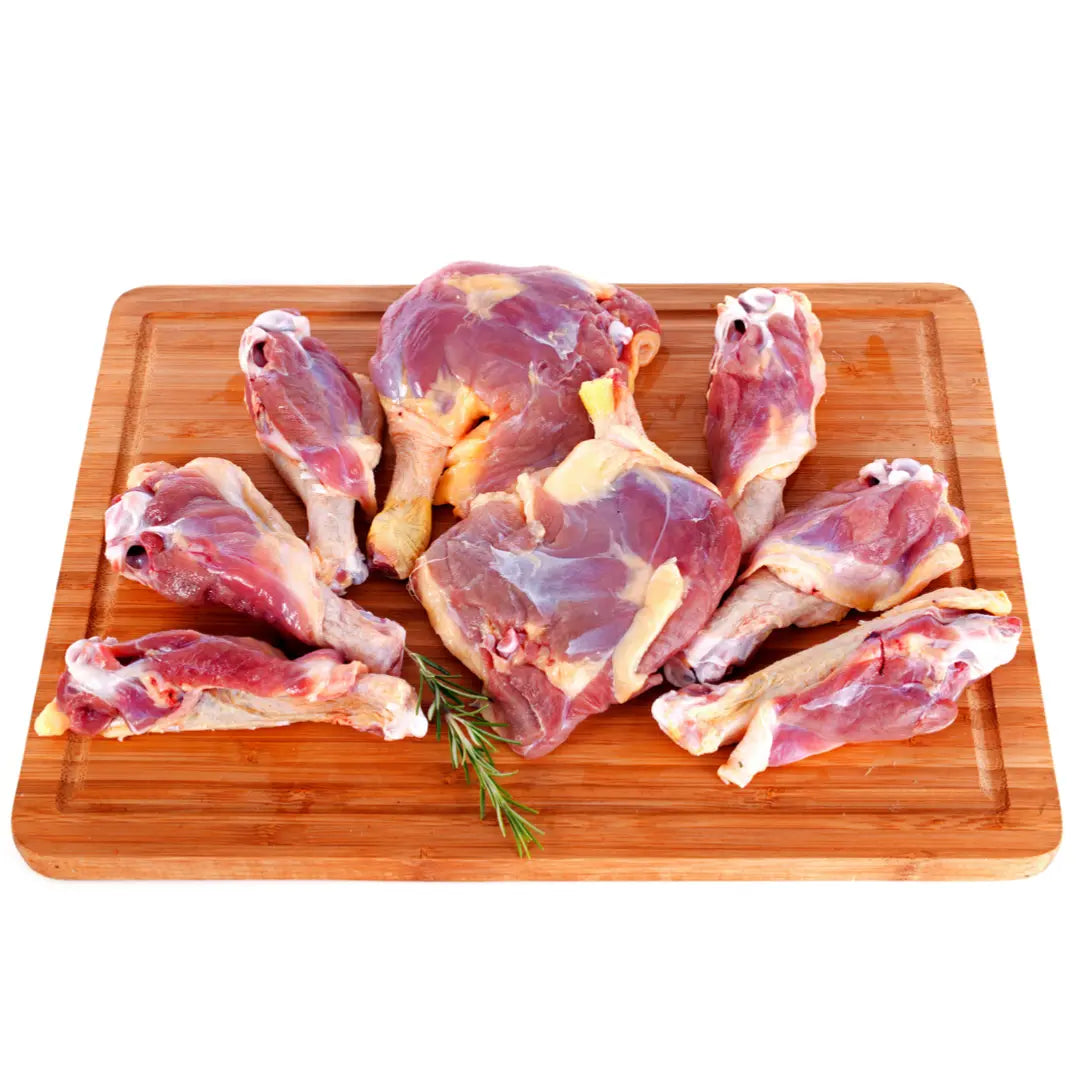
Beyond its allergy value, duck is a nutritious meat for dogs. It is a rich source of high-quality
protein, iron, zinc and B vitamins. Duck is a dark meat, so it is usually richer in iron than
chicken breast. Many dogs also find its stronger flavour very appealing.
Furthermore, duck fat supplies energy and fatty acids that support skin and coat health. This
is helpful for dogs whose skin is already damaged from scratching. A healthy skin barrier
also makes dogs less vulnerable to everyday irritants.
Duck's Main Drawback: Fat
The flip side is that duck, especially with skin, is higher in fat than lean chicken or turkey. For dogs prone to pancreatitis or weight gain, this matters. Choose a complete duck food formulated for your dog, rather than fatty duck pieces on their own. We cover fat in detail in our duck vs chicken for dogs guide.
 NATURE HAS ALREADY GIVEN THE RECIPE. WE HAVE ONLY IMPLEMENTED IT
How to Choose and Use Duck for an Itchy Dog
Running a Duck-Based Elimination Diet for Dogs
An elimination diet is the only reliable way to diagnose a food allergy in dogs. Blood, hair and saliva tests sold online are not accurate enough for this. Veterinary dermatologists generally do not recommend them for diagnosing food allergies. A properly run duck trial gives you a far clearer answer.
Step-by-Step Duck Trial Plan
First, choose a single-protein duck diet, ideally one your dog has never eaten. Next, switch
over five to seven days to avoid stomach upset. Then feed only that diet for at least eight
weeks, and sometimes up to twelve. Skin takes time to heal, so patience is essential.
During the duck trial, nothing else passes your dog's lips. That includes treats, flavoured
medicines, table scraps, dental chews and meat-flavoured toothpaste. Even one biscuit can
reset the clock. Tell every family member and visitor about the rules, and put a note on the
fridge.
The Challenge Phase
If the itching improves on duck, the next step is a food challenge. You reintroduce the old
food or a single ingredient, such as chicken, and watch for one to two weeks. A flare-up
confirms the allergy. No relapse suggests something else, such as seasonal allergies, may
have been fading anyway.
Keep a simple diary throughout the duck trial.
Score itching from one to ten each day, and
note ear, paw and stool changes. A diary turns vague impressions into clear evidence you
can share with your vet.
What Is the Best Dog Food for Itchy Dogs?
The best dog food for itchy dogs depends on why your dog is itchy. For a food-allergic dog, the best food avoids the trigger protein completely. For a dog with environmental allergies, the best food supports the skin barrier. Often, a good duck formula can do both jobs.
Features to Look For in Food for Itchy Dogs
Look for a single animal protein, such as duck, named as the first ingredient. A short
ingredient list makes problem foods easier to avoid. Added omega-3 fatty acids help reduce
skin inflammation. Finally, the food should be complete and balanced for your dog's life
stage.
Remember that grain-free does not mean allergy-friendly. Grains are less common triggers
than animal proteins. Moreover, grain-free diets are being studied for a possible link to heart
disease in some dogs. Choose your dog's food based on the protein, not on marketing
claims.
Duck Food, Limited-Ingredient Food or Hydrolysed Food?
Over-the-counter duck limited-ingredient diets suit many dogs with mild symptoms. Prescription novel protein diets are made under stricter controls, so contamination is less likely. Hydrolysed diets break proteins into pieces too small for the immune system to notice. Your vet will suggest one based on how severe your dog's itching is. You can browse our hypoallergenic dog food and treats to compare options. Always check that the product matches the protein you are testing.

Reading Labels on Duck Dog Food: Hidden Chicken and Other Traps
A bag labelled "duck" does not always contain only duck. Many foods use duck as the headline protein but add chicken fat, chicken meal or egg further down. For an allergic dog, these hidden extras can ruin a trial. Reading the full label is therefore essential.
Ingredients That Undermine a Duck Trial
Watch closely for these ingredients on any duck product:
• Chicken fat, chicken meal or "poultry fat"
• Animal digest or "natural flavours" of unstated origin
• Egg or egg powder
• Beef or pork gelatin in coatings or capsules
• Fish meal, if fish was part of your dog's past diet
Cross-Contamination in Pet Food
Several studies have tested over-the-counter limited-ingredient dog foods and found proteins not listed on the label. Shared factory lines are a common cause. This is why vets often prefer prescription diets for strict trials. If an over-the-counter duck food fails, contamination may be the reason, not duck itself. If you are unsure about a product, contact the manufacturer. Ask how they prevent cross- contamination between recipes. Reputable brands answer clearly, while vague replies are a warning sign.dog's past diet
Treats, Chews and Extras on a Duck Diet for Dogs
Treats are where most elimination diets fail. Owners feed the duck food perfectly, then hand out a chicken chew without thinking. During a trial, every treat must match the trial protein or contain no animal protein at all. Afterwards, you can widen the range carefully.
Safe Treat Ideas During a Duck Trial
Simple options include pieces of the trial kibble or single-ingredient duck treats. Small cubes of plain cooked duck breast work too, without skin or seasoning. Some vets also approve plain vegetables, such as cucumber or green beans. Check every idea with your vet first, because even a vegetable can be new to your dog.
Adding Chews Back After the Trial
Once the duck trial shows which proteins your dog tolerates, chews become a useful tool
again. Long-lasting chews keep dogs busy and support dental health. Our bone broth chews
for dogs are a popular choice at this stage. Check the protein source on the pack against
your dog's confirmed safe list before you buy.
Introduce one new treat at a time and wait about a week before adding another. If itching
returns, you will know exactly what caused it. Keep all treats under ten percent of daily
calories to protect your dog's waistline.

FAQs About Duck for Dogs with Allergies
Conclusion: Is Duck the Right Choice for Your Allergic Dog?
Duck for dogs with allergies works because it is new to most dogs, not because it is a
miracle ingredient. It is an excellent first choice when chicken or beef is the suspected
trigger. It is also a tasty, nutritious meat that many fussy dogs love.
Success depends on the details, however. Confirm the cause with your vet, pick a truly
single-protein duck food, and run a strict eight-week trial with no stray treats. Read every
label and keep a daily diary. Those habits matter more than any brand name.
If duck is not right for your dog, other novel proteins and hydrolysed diets are available.
Next, read our comparison of duck vs salmon for dogs to explore another allergy-friendly
protein. Once your dog's safe foods are confirmed, shop our dog chews to find treats that fit.