Raw for Maximum Nutrition
Made in our own Kitchens
Human grade products
28 March 2026
Giant Dog Breeds: The Complete Guide to Gentle Giants You'll Love

28 March 2026
Giant Dog Breeds: The Complete Guide to Gentle Giants You'll Love

Table of contents
• Are Giant Dog Breeds Special?• Most Popular Giant Dog Breeds • Giant Dog Breeds in India• Best Giant Dog Breeds in India• Climate for the Giant Breeds• Giant Dog Breeds Temperament• Socialization Tips • Care: Exercise & Grooming.• Health Issues and Lifespan• Nutrition: Why Fresh Food?• Giant Dog Breeds for Families• FAQ's About Giant Dog Breeds• Final Thoughts and TakeawaysTable of contents
• Are Giant Dog Breeds Special?• Most Popular Giant Dog Breeds • Giant Dog Breeds in India• Best Giant Dog Breeds in India• Climate for the Giant Breeds• Giant Dog Breeds Temperament• Socialization Tips • Care: Exercise & Grooming.• Health Issues and Lifespan• Nutrition: Why Fresh Food?• Giant Dog Breeds for Families• FAQ's About Giant Dog Breeds• Final Thoughts and TakeawaysGiant breed dogs are majestic, gentle giants known for their calm temperament and unwavering loyalty. Despite their size, they require thoughtful care-especially when it comes to nutrition, joint health, and controlled growth. Understanding their unique needs is essential to raising a healthy, happy companion that thrives.
What Makes Giant Dog Breeds So Special?
Giant dog breeds are more than just large dogs - they are loyal, loving companions
that bring immense joy to families everywhere. Despite their imposing size, many of the
world's biggest dogs are known for their calm, gentle nature and deep emotional
intelligence.
From the majestic Great Dane to the fluffy Bernese Mountain Dog, giant breeds have
captured hearts across the globe. They are patient with children, deeply loyal, and
surprisingly easy to live with when given the right care.
Giant dog breeds typically weigh over 100 pounds and stand 26 inches or more at the
shoulder. They were historically bred for tasks like herding, guarding, and mountain
rescue. Today, they are cherished as family companions and therapy dogs.

Most Popular Giant Dog Breeds Around the World
When people think of giant dog breeds, a few names come to mind immediately. These
breeds have earned their reputations through centuries of loyalty, strength, and
gentleness.
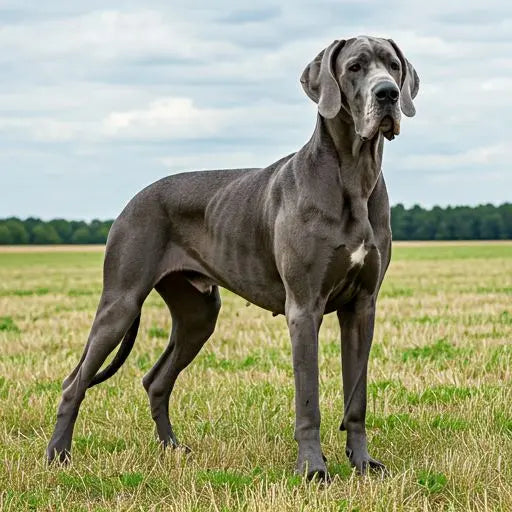
Great Dane - The Gentle Giant Among Giant Dog Breeds
Great Danes are often called the world's biggest lap dogs. Despite their towering
presence, they are affectionate, calm, and deeply attached to their families. They are
patient with children and settle easily into household routines.
Great Danes are low-energy indoors. They prefer lounging near their humans over
intense physical activity. This balance of size and calm makes them one of the most
popular giant dog breeds worldwide.
Saint Bernard - Classic Favourite Among Giant Dog Breeds
Originally bred to rescue snowbound travellers in the Swiss Alps, Saint Bernards are
loyal, patient, and extraordinarily gentle. They act like large, loving babysitters around
children and other pets.
Saint Bernards do not need excessive exercise. They are content with leisurely walks
and quiet time with their families. Their predictable, steady nature makes them
reassuring companions.
Newfoundland - The Nanny Dog of Giant Dog Breeds
Newfoundlands are naturally nurturing and famously patient with children. Historically
used as water rescue dogs, they carry an innate calm and a deep desire to protect
those they love.
Their gentle temperament makes them one of the most trusted family dogs.
Newfoundlands thrive in emotionally stable homes where companionship is plentiful.
Truly, they represent the best of giant dog breeds.
Giant Dog Breeds in India: What You Need to Know
Giant dog breeds in India are gaining popularity rapidly, especially among families in metro cities and independent homes. However, owning a giant breed in India comes with unique challenges and responsibilities.

Best Giant Dog Breeds in India for Families
In India, Great Danes, Saint Bernards, and Labrador Retrievers are among the most
popular large breeds. These dogs adapt reasonably well to Indian households, provided
they have adequate space, regular veterinary care, and climate-conscious routines.
Tibetan Mastiffs are another breed found in India, especially in the northern and hilly
regions. Their thick coats are naturally suited to cooler climates. Furthermore, Indian-
origin large breeds like the Rajapalayam and Bully Kutta hold a special place in the
country's dog-keeping heritage.
Climate Considerations for Giant Dog Breeds in India
India's hot and humid climate can be challenging for many giant breeds. Breeds with
thick coats - like Saint Bernards and Bernese Mountain Dogs - need air-conditioned
spaces during summer. Early morning and evening walks are essential to avoid
overheating.
Hydration is a top priority for giant dog breeds in India. Fresh water should always be
available. Additionally, diet adjustments may be needed during peak summer months to
keep energy levels balanced and body temperature regulated.

Giant Dog Breeds Temperament: Gentle, Loyal, and Loving
One of the biggest surprises for new owners of giant dog breeds is their temperament.
Most of these dogs are calm, patient, and emotionally intelligent - completely contrary
to what their size might suggest.
Great Danes are known to be affectionate and deeply attached to their owners.
Newfoundlands are patient and nurturing, especially with children. Saint Bernards are
loyal, predictable, and remarkably gentle even in busy family environments.
Socialization Tips for Giant Dog Breeds
Early socialization is crucial for giant dog breeds. Introducing puppies to varied
environments, people, and sounds builds a well-rounded adult dog. Due to their size, an
unsocialized giant breed can unintentionally cause harm.
Consistent, positive training is the foundation of a happy giant breed household. These
dogs respond well to reward-based methods. Patience and routine go a long way in
shaping their gentle nature.
LEARN MORE ABOUT INDIA'S NO.1 FRESH DOG FOOD
Start Fresh
Giant Dog Breeds Care: Exercise, Grooming, and Space Needs
Giant dog breeds have specific care requirements that differ significantly from smaller
dogs. Understanding these needs before bringing one home is essential for their
wellbeing.
Exercise Needs of Giant Dog Breeds
Most giant breeds need moderate, low-impact exercise - not intense workouts. Over-
exercising large breeds, especially when young, can damage developing joints. Daily
walks and light play sessions are usually sufficient.
Mental stimulation is equally important. Puzzle feeders, training games, and interactive
toys keep giant breeds engaged. A bored giant dog can become destructive, so mental
enrichment is just as vital as physical exercise.
Grooming Giant Dog Breeds
Grooming needs vary by breed. Long-coated giants like Bernese Mountain Dogs and
Saint Bernards need frequent brushing to prevent matting. Short-coated breeds like
Great Danes are easier to maintain.
Regular nail trims, ear checks, and dental hygiene are equally important. Giant dog
breeds also benefit from professional grooming sessions every 6–8 weeks to keep their
coats and skin in top condition.
Giant Dog Breeds Health: Common Issues and Lifespan
Giant dog breeds generally have shorter lifespans than smaller dogs - typically 6 to 10
years. This is a reality all potential owners must accept. However, with proper care,
many giant breeds live full and happy lives.
Common health concerns include hip and elbow dysplasia, heart conditions, and bloat
- a dangerous digestive issue common in deep-chested breeds. Regular veterinary
check-ups and preventive care are non-negotiable for giant dog breeds.
Joint Health in Giant Dog Breeds
Joint health is a major priority for giant dog breeds. Their weight puts continuous stress
on hips, elbows, and knees. Orthopedic beds, ramps instead of stairs, and supplements
like glucosamine can significantly improve quality of life.
Preventing obesity is equally critical. Even a few extra kilograms can strain joints
severely in large breeds. A portion-controlled, nutrient-dense diet is essential from
puppyhood through old age.

Giant Dog Breeds Nutrition: Why Raw Food Makes a Difference
Nutrition is one of the most critical aspects of caring for giant dog breeds. These dogs
have unique dietary needs - especially during their rapid growth phase - and the
wrong diet can have lasting consequences on their bones, joints, and organs.
Giant Dog Breeds and the Case for Raw Feeding with BARF India
BARF India - which stands for Biologically Appropriate Raw Food - is one of the
country's leading advocates for raw feeding for dogs. Their approach is rooted in the
belief that dogs thrive on food that closely mirrors what their ancestors ate in the wild.
For giant dog breeds, raw feeding offers several specific advantages. Raw diets provide
natural proteins, healthy fats, and essential minerals in their most bioavailable forms -
meaning the dog's body can absorb and use them more efficiently.
Why RAW is Better for Giant Dog Breeds
Here is why BARF India recommends raw food specifically for giant breeds:
• Better joint and bone development: Raw food provides calcium and phosphorus
in balanced, natural ratios - critical for preventing skeletal disorders in growing
giants.
• Reduced inflammation: Processed kibble often contains fillers, grains, and
artificial additives that can trigger inflammation. Raw food eliminates these
triggers and supports healthier joints.
• Improved gut health: Raw feeding supports a healthier gut microbiome, which
directly impacts immunity - especially important for large breeds prone to
digestive conditions like bloat.
• Leaner body mass: Raw food helps maintain an ideal weight, reducing the risk of
obesity-related joint stress in giant dogs.
• Shinier coat and better skin: Omega fatty acids in raw meat promote skin and
coat health - visible even in heavy-coated giant breeds.
BARF India offers customised raw meal plans for large and giant dog breeds in India.
Their formulations are designed to meet the specific nutritional profiles of each breed
and life stage - from energetic giant puppies to senior large-breed dogs.
Transitioning to raw food should be done gradually under guidance. BARF India
recommends starting with a single protein source and introducing variety over time. For
giant dog breeds, the transition typically takes two to four weeks.
Giant Dog Breeds for Families: Choosing the Right One
Not every giant breed is the right fit for every family. Choosing wisely requires an honest
assessment of your lifestyle, living space, and capacity for daily care and commitment.
Families with young children may find Labrador Retrievers, Newfoundlands, and Golden
Retrievers most suitable. These breeds combine large-to-giant size with exceptional
patience and child-friendly temperaments.
Space and Housing for Giant Dog Breeds
Many giant breeds are surprisingly calm indoors. While a large home with outdoor
space is ideal, several giant breeds adapt well to apartment living if given sufficient daily
exercise and mental enrichment.
However, furniture, bedding, and feeding stations must be appropriately sized.
Orthopedic beds are strongly recommended for giant dog breeds to protect their joints
from hard floors.
Other Notable Giant Dog Breeds Worth Knowing
Beyond the most well-known names, there are several other giant dog breeds that
deserve attention. Each brings unique qualities and histories that make them fascinating
companions.
The Leonberger is a composed, family-oriented dog with strong protective instincts and
a calm indoor presence. The Irish Wolfhound, one of the tallest breeds in the world, is
gentle, reserved, and deeply loyal - a dog of quiet dignity.
Mastiff Varieties Among Giant Dog Breeds
The Mastiff family includes some of the heaviest dogs on earth. The English Mastiff,
Tibetan Mastiff, Neapolitan Mastiff, and Boerboel are all remarkable for their size,
guarding instincts, and surprising gentleness with their families.
Mastiffs require experienced owners who can provide firm, consistent training. Their
natural guarding instincts need proper channelling through early socialisation. With the
right guidance, Mastiffs are deeply devoted and impressively gentle giant dog breeds.
FAQ's About Giant Dog Breeds
Giant Dog Breeds: Final Thoughts and Takeaways
Owning giant dog breeds is one of life's most rewarding experiences - and one of its
most serious responsibilities. These dogs give everything: loyalty, love, protection, and
companionship. In return, they deserve excellent nutrition, consistent care, and a loving
home.
Whether you are drawn to the gentle Newfoundland, the regal Irish Wolfhound, or the
affectionate Great Dane - giant dog breeds will fill your life with unforgettable
moments. Their size may be extraordinary, but their hearts are even bigger.
Invest in proper nutrition - explore raw feeding with BARF India. Prioritise joint health,
regular vet visits, and early socialisation. And most importantly, make space in your
home and heart for one of these magnificent creatures.
If you’ve been searching for a healthier, fresher alternative to processed kibble, BARF India’s cooked cat food is the answer. Made from human-grade, preservative-free ingredients, it’s the closest you can get to homemade cat food — without the effort. Our sampler pack is perfect for finicky cats, giving them a chance to explore every recipe and find their favourite.
What Makes Giant Dog Breeds So Special?
Giant dog breeds are more than just large dogs - they are loyal, loving companions
that bring immense joy to families everywhere. Despite their imposing size, many of the
world's biggest dogs are known for their calm, gentle nature and deep emotional
intelligence.
From the majestic Great Dane to the fluffy Bernese Mountain Dog, giant breeds have
captured hearts across the globe. They are patient with children, deeply loyal, and
surprisingly easy to live with when given the right care.
Giant dog breeds typically weigh over 100 pounds and stand 26 inches or more at the
shoulder. They were historically bred for tasks like herding, guarding, and mountain
rescue. Today, they are cherished as family companions and therapy dogs.
Most Popular Giant Dog Breeds Around the World
When people think of giant dog breeds, a few names come to mind immediately. These
breeds have earned their reputations through centuries of loyalty, strength, and
gentleness.
Great Dane - The Gentle Giant Among Giant Dog Breeds
Great Danes are often called the world's biggest lap dogs. Despite their towering
presence, they are affectionate, calm, and deeply attached to their families. They are
patient with children and settle easily into household routines.
Great Danes are low-energy indoors. They prefer lounging near their humans over
intense physical activity. This balance of size and calm makes them one of the most
popular giant dog breeds worldwide.
Saint Bernard - Classic Favourite Among Giant Dog Breeds
Originally bred to rescue snowbound travellers in the Swiss Alps, Saint Bernards are
loyal, patient, and extraordinarily gentle. They act like large, loving babysitters around
children and other pets.
Saint Bernards do not need excessive exercise. They are content with leisurely walks
and quiet time with their families. Their predictable, steady nature makes them
reassuring companions.
Newfoundland - The Nanny Dog of Giant Dog Breeds
Newfoundlands are naturally nurturing and famously patient with children. Historically
used as water rescue dogs, they carry an innate calm and a deep desire to protect
those they love.
Their gentle temperament makes them one of the most trusted family dogs.
Newfoundlands thrive in emotionally stable homes where companionship is plentiful.
Truly, they represent the best of giant dog breeds.
Giant Dog Breeds in India: What You Need to Know
Giant dog breeds in India are gaining popularity rapidly, especially among families in metro cities and independent homes. However, owning a giant breed in India comes with unique challenges and responsibilities.
Best Giant Dog Breeds in India for Families
In India, Great Danes, Saint Bernards, and Labrador Retrievers are among the most
popular large breeds. These dogs adapt reasonably well to Indian households, provided
they have adequate space, regular veterinary care, and climate-conscious routines.
Tibetan Mastiffs are another breed found in India, especially in the northern and hilly
regions. Their thick coats are naturally suited to cooler climates. Furthermore, Indian-
origin large breeds like the Rajapalayam and Bully Kutta hold a special place in the
country's dog-keeping heritage.
Climate Considerations for Giant Dog Breeds in India
India's hot and humid climate can be challenging for many giant breeds. Breeds with
thick coats - like Saint Bernards and Bernese Mountain Dogs - need air-conditioned
spaces during summer. Early morning and evening walks are essential to avoid
overheating.
Hydration is a top priority for giant dog breeds in India. Fresh water should always be
available. Additionally, diet adjustments may be needed during peak summer months to
keep energy levels balanced and body temperature regulated.
Giant Dog Breeds Temperament: Gentle, Loyal, and Loving
One of the biggest surprises for new owners of giant dog breeds is their temperament.
Most of these dogs are calm, patient, and emotionally intelligent - completely contrary
to what their size might suggest.
Great Danes are known to be affectionate and deeply attached to their owners.
Newfoundlands are patient and nurturing, especially with children. Saint Bernards are
loyal, predictable, and remarkably gentle even in busy family environments.
Socialization Tips for Giant Dog Breeds
Early socialization is crucial for giant dog breeds. Introducing puppies to varied
environments, people, and sounds builds a well-rounded adult dog. Due to their size, an
unsocialized giant breed can unintentionally cause harm.
Consistent, positive training is the foundation of a happy giant breed household. These
dogs respond well to reward-based methods. Patience and routine go a long way in
shaping their gentle nature.
LEARN MORE ABOUT INDIA'S NO.1 FRESH DOG FOOD
Start FreshGiant Dog Breeds Care: Exercise, Grooming, and Space Needs
Giant dog breeds have specific care requirements that differ significantly from smaller
dogs. Understanding these needs before bringing one home is essential for their
wellbeing.
Exercise Needs of Giant Dog Breeds
Most giant breeds need moderate, low-impact exercise - not intense workouts. Over-
exercising large breeds, especially when young, can damage developing joints. Daily
walks and light play sessions are usually sufficient.
Mental stimulation is equally important. Puzzle feeders, training games, and interactive
toys keep giant breeds engaged. A bored giant dog can become destructive, so mental
enrichment is just as vital as physical exercise.
Grooming Giant Dog Breeds
Grooming needs vary by breed. Long-coated giants like Bernese Mountain Dogs and
Saint Bernards need frequent brushing to prevent matting. Short-coated breeds like
Great Danes are easier to maintain.
Regular nail trims, ear checks, and dental hygiene are equally important. Giant dog
breeds also benefit from professional grooming sessions every 6–8 weeks to keep their
coats and skin in top condition.
Giant Dog Breeds Health: Common Issues and Lifespan
Giant dog breeds generally have shorter lifespans than smaller dogs - typically 6 to 10
years. This is a reality all potential owners must accept. However, with proper care,
many giant breeds live full and happy lives.
Common health concerns include hip and elbow dysplasia, heart conditions, and bloat
- a dangerous digestive issue common in deep-chested breeds. Regular veterinary
check-ups and preventive care are non-negotiable for giant dog breeds.
Joint Health in Giant Dog Breeds
Joint health is a major priority for giant dog breeds. Their weight puts continuous stress
on hips, elbows, and knees. Orthopedic beds, ramps instead of stairs, and supplements
like glucosamine can significantly improve quality of life.
Preventing obesity is equally critical. Even a few extra kilograms can strain joints
severely in large breeds. A portion-controlled, nutrient-dense diet is essential from
puppyhood through old age.
Giant Dog Breeds Nutrition: Why Raw Food Makes a Difference
Nutrition is one of the most critical aspects of caring for giant dog breeds. These dogs
have unique dietary needs - especially during their rapid growth phase - and the
wrong diet can have lasting consequences on their bones, joints, and organs.
Giant Dog Breeds and the Case for Raw Feeding with BARF India
BARF India - which stands for Biologically Appropriate Raw Food - is one of the
country's leading advocates for raw feeding for dogs. Their approach is rooted in the
belief that dogs thrive on food that closely mirrors what their ancestors ate in the wild.
For giant dog breeds, raw feeding offers several specific advantages. Raw diets provide
natural proteins, healthy fats, and essential minerals in their most bioavailable forms -
meaning the dog's body can absorb and use them more efficiently.
Why RAW is Better for Giant Dog Breeds
Here is why BARF India recommends raw food specifically for giant breeds:
• Better joint and bone development: Raw food provides calcium and phosphorus
in balanced, natural ratios - critical for preventing skeletal disorders in growing
giants.
• Reduced inflammation: Processed kibble often contains fillers, grains, and
artificial additives that can trigger inflammation. Raw food eliminates these
triggers and supports healthier joints.
• Improved gut health: Raw feeding supports a healthier gut microbiome, which
directly impacts immunity - especially important for large breeds prone to
digestive conditions like bloat.
• Leaner body mass: Raw food helps maintain an ideal weight, reducing the risk of
obesity-related joint stress in giant dogs.
• Shinier coat and better skin: Omega fatty acids in raw meat promote skin and
coat health - visible even in heavy-coated giant breeds.
BARF India offers customised raw meal plans for large and giant dog breeds in India.
Their formulations are designed to meet the specific nutritional profiles of each breed
and life stage - from energetic giant puppies to senior large-breed dogs.
Transitioning to raw food should be done gradually under guidance. BARF India
recommends starting with a single protein source and introducing variety over time. For
giant dog breeds, the transition typically takes two to four weeks.
Giant Dog Breeds for Families: Choosing the Right One
Not every giant breed is the right fit for every family. Choosing wisely requires an honest
assessment of your lifestyle, living space, and capacity for daily care and commitment.
Families with young children may find Labrador Retrievers, Newfoundlands, and Golden
Retrievers most suitable. These breeds combine large-to-giant size with exceptional
patience and child-friendly temperaments.
Space and Housing for Giant Dog Breeds
Many giant breeds are surprisingly calm indoors. While a large home with outdoor
space is ideal, several giant breeds adapt well to apartment living if given sufficient daily
exercise and mental enrichment.
However, furniture, bedding, and feeding stations must be appropriately sized.
Orthopedic beds are strongly recommended for giant dog breeds to protect their joints
from hard floors.
Other Notable Giant Dog Breeds Worth Knowing
Beyond the most well-known names, there are several other giant dog breeds that
deserve attention. Each brings unique qualities and histories that make them fascinating
companions.
The Leonberger is a composed, family-oriented dog with strong protective instincts and
a calm indoor presence. The Irish Wolfhound, one of the tallest breeds in the world, is
gentle, reserved, and deeply loyal - a dog of quiet dignity.
Mastiff Varieties Among Giant Dog Breeds
The Mastiff family includes some of the heaviest dogs on earth. The English Mastiff,
Tibetan Mastiff, Neapolitan Mastiff, and Boerboel are all remarkable for their size,
guarding instincts, and surprising gentleness with their families.
Mastiffs require experienced owners who can provide firm, consistent training. Their
natural guarding instincts need proper channelling through early socialisation. With the
right guidance, Mastiffs are deeply devoted and impressively gentle giant dog breeds.
FAQ's About Giant Dog Breeds
Giant Dog Breeds: Final Thoughts and Takeaways
Owning giant dog breeds is one of life's most rewarding experiences - and one of its
most serious responsibilities. These dogs give everything: loyalty, love, protection, and
companionship. In return, they deserve excellent nutrition, consistent care, and a loving
home.
Whether you are drawn to the gentle Newfoundland, the regal Irish Wolfhound, or the
affectionate Great Dane - giant dog breeds will fill your life with unforgettable
moments. Their size may be extraordinary, but their hearts are even bigger.
Invest in proper nutrition - explore raw feeding with BARF India. Prioritise joint health,
regular vet visits, and early socialisation. And most importantly, make space in your
home and heart for one of these magnificent creatures.