Raw Bones for Dogs? Nature's Toothbrush.
B.A.R.F. India AdministratorRAW BONES FOR DOGS
We live in a world where processed food is commonly fed to our dogs and is backed as “high quality” even after our pets suffer countless illnesses and diseases, at an ever-increasing rate, responsible pet parents need to consider alternative routes to optimize companion pet’s health to provide them with the tools to sustain a longer, vibrant, and thriving life. One of them is a raw diet for pets and which also includes Raw Meaty Bones for our puppies.  Starting Off: It would not be sensible to give your puppy kibble and then mix in raw food in the equation. So start your puppy off directly with the RAW diet. If you got your puppy from someone or bought her from somewhere and she's already being fed kibble, you can read my previous blog:
for tips. Water & Exercise: Before we talk about any other forms of diet for your pup, I cannot stress enough how important it is to supply your puppy with fresh, clean drinking water at all times. Also, she must have plenty of exercise and fresh air. Keep in mind that your puppy must have the space to run about and exercise naturally. Don't force her to walk while on a leash. Take her outside for play sessions or train her in the fresh air. Keep these walks and sessions short; not more than 7 minutes each until she is about 8 months old. Now, a question that bothers new pet owners is:
How do I feed raw meaty bones and meat to my puppy?
Well, for starters let us reassure you that it is extremely important for one, to provide your pup with a wholesome, balanced meal every single day. This will ensure adequate growth. A daily balanced meal includes muscle meat, some liver, and organs & most importantly even bones. Giving her bones will help maintain a balance of phosphorous and calcium. Below is an approximate percentage of how much your pup should be fed at various stages of his development: 3-5 months old: About 8-10% of her body weight (Split this into 3-4 meals through the day) 6-8 months old: Go lower; 6-8 % of her body weight should be good (Same rule applies: 3-4 meals in a day) 8-10 months old: 4-6% of her body weight. You can now split this into two meals a day. 10-12 months old: 3-4 % of her body weight should be perfect OR even less. Feed her twice a day so that there isn’t a huge gap for your pup in between meals. Remember that you should be able to feel your pup’s ribs, not see them and if you have to dig a little more than necessary to search for her ribs, she’s probably overweight. Also, you should know that every pup is different and you as a pet owner need to know your pet and identify what’s best for her health.
Can Dogs Eat Bones? Understanding the Benefits and Risks of Bone Feeding
One of the most common questions pet parents ask is: can dogs eat bones, and are bones good for their health? Bones have traditionally been included in the natural diet of wild canines, but domestic dogs have different feeding environments and safety considerations. Bone feeding and raw bone feeding are sometimes promoted for their potential nutritional benefit, including calcium and phosphorus, as well as chewing-related health benefits. However, bones are not essential for canine nutrition, and a properly formulated balanced diet already provides the essential nutrients dogs need for healthy development and strong bones. When considering bones for dogs, remember that there are no universally best bones for dogs or best bones suitable for every pet. The right bones depend on the dog's age, chewing behaviour, health and the size, shape and hardness of the item. Large dogs and powerful chewers can exert considerable bite force, making particularly hard items dangerous. Even marrow bones and thick-walled bones can cause injuries, including tooth damage. Although raw bones may be less brittle than cooked bones, they are not risk-free. Raw chicken bones can still cause choking, gastrointestinal injury and exposure to harmful bacteria. Therefore, the decision to offer bones should be based on a veterinarian's assessment rather than assumptions about what constitutes a natural diet.
Risks of Raw Bones for Puppies: Choking, Fractures and Digestive Problems
The benefits, risks of bone feeding need careful consideration, especially in growing puppies. Cooked bones can become brittle and break into sharp bone fragments, while raw bones can also cause bone splintering, dental injuries and gastrointestinal complications. A bone may become a choking hazard, lead to foreign body ingestion, or cause intestinal obstructions if swallowed. Other possible problems include stomach bloating, hard stool, constipation and injuries anywhere along the digestive tract or gastrointestinal tract. Although a dog's stomach acid helps digest some bone material, it cannot guarantee protection against these complications. Hard and crunchy bones can also cause dental fractures, damage the gums and aggravate gingivitis or existing periodontal disease. Raw animal products may additionally carry pathogens associated with salmonella infections, posing risks to dogs and people handling them. Bone chewing should therefore never be treated as a substitute for proper dental hygiene or a complete feeding plan. Puppies, in particular, should not be given bones simply to accelerate skeletal development or improve digestive support.
Safer Alternatives to Bones for Dental Health and Chewing Enrichment
If your goal is to keep your dog's teeth clean and support oral health, consider safer alternatives such as appropriately sized dental chews and veterinarian-recommended chew toys. Look for products designed to provide chewing resistance without being excessively hard. The right chewing activity can offer mental stimulation, play and entertainment, and opportunities to exercise the jaw muscles without exposing your puppy to unnecessary bone-related hazards. Dental chews may help reduce plaque and tartar and plaque and tartar buildup, although they do not replace regular brushing or professional veterinary dental care. A vet-approved guide to chewing products should consider your dog's age, size, chewing intensity and dental condition. Avoid items that are so hard and crunchy that they cannot yield under pressure, and supervise chewing sessions. These best practices are more useful than assuming that every natural chew provides guaranteed dental health or nutritional advantages. For puppies, prioritise a complete and balanced growth diet, suitable enrichment and routine dental examinations.
Size Matters!
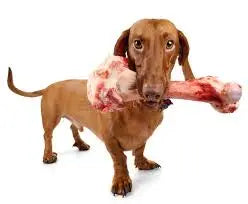
Some people might worry that giving raw meaty bones might hurt your pup’s jaws but that’s not true. You can’t give a huge bone to your pup of course, but you can feed her a bone appropriate for her breed and size. Start with smaller bones and then give her the large ones as she grows. Puppies’ teeth start to show up when they’re about three weeks old and they get all their baby teeth when they’re approximately 8 weeks old. They will want to chew everything then. At about 6 months of age, their permanent teeth start to grow really quickly. As soon as they ’re a year old, you can safely give them raw meaty bones. They’ll be happy because like human babies they are ‘teething’. Plus the chewing will ensure that their teeth and jaws and gums are healthy. Please ensure that the bone is not so small so that your pup can swallow it whole. You can give her raw turkey or chicken necks, chicken wings, and even chicken feet, lamb ribs (not lamb chops) & whole chicken frames which contain a lot of edible bone. The bones are soft and hollow and as she grows you can transition to the larger bones. This will take care of the Protein and Calcium requirements. The amount of calcium that a dog requires depends on its age though so keep that in mind.  Of all the essential requirements that our bodies have, calcium is the most important. It is essential and critical when it comes to our overall health, especially the bones. Ditto for dogs. Their bones not only support their bodies but they also are a storage space for calcium. There is no cell in our body that does not use calcium. Calcium is essential for many functions in a dog’s body too. It is essential for the nervous system, the heart and of course their bones.


There are a few things to keep in mind when feeding your puppy with bones:
1: Make sure you’re around when she’s chewing them. 2: Ensure that the edges of the bones are not sharp. 3: Do not cook the bones under any circumstances. Raw meaty bones are the best. 4: Be careful with huge marrow bones or knuckle bones. And yes! Your puppy might be possessive of that bones she’s chewing, so do not let your kids or other dogs into the same area when she’s busy with her ‘toy’. Happy feeding!